How Sharks Replace Their Teeth, and Why They Differ
4 min read
Last Updated on November 1, 2026 by Otis Mako
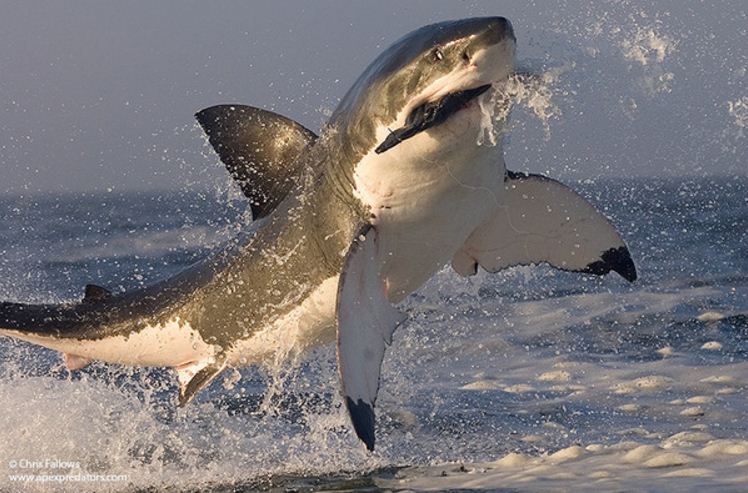
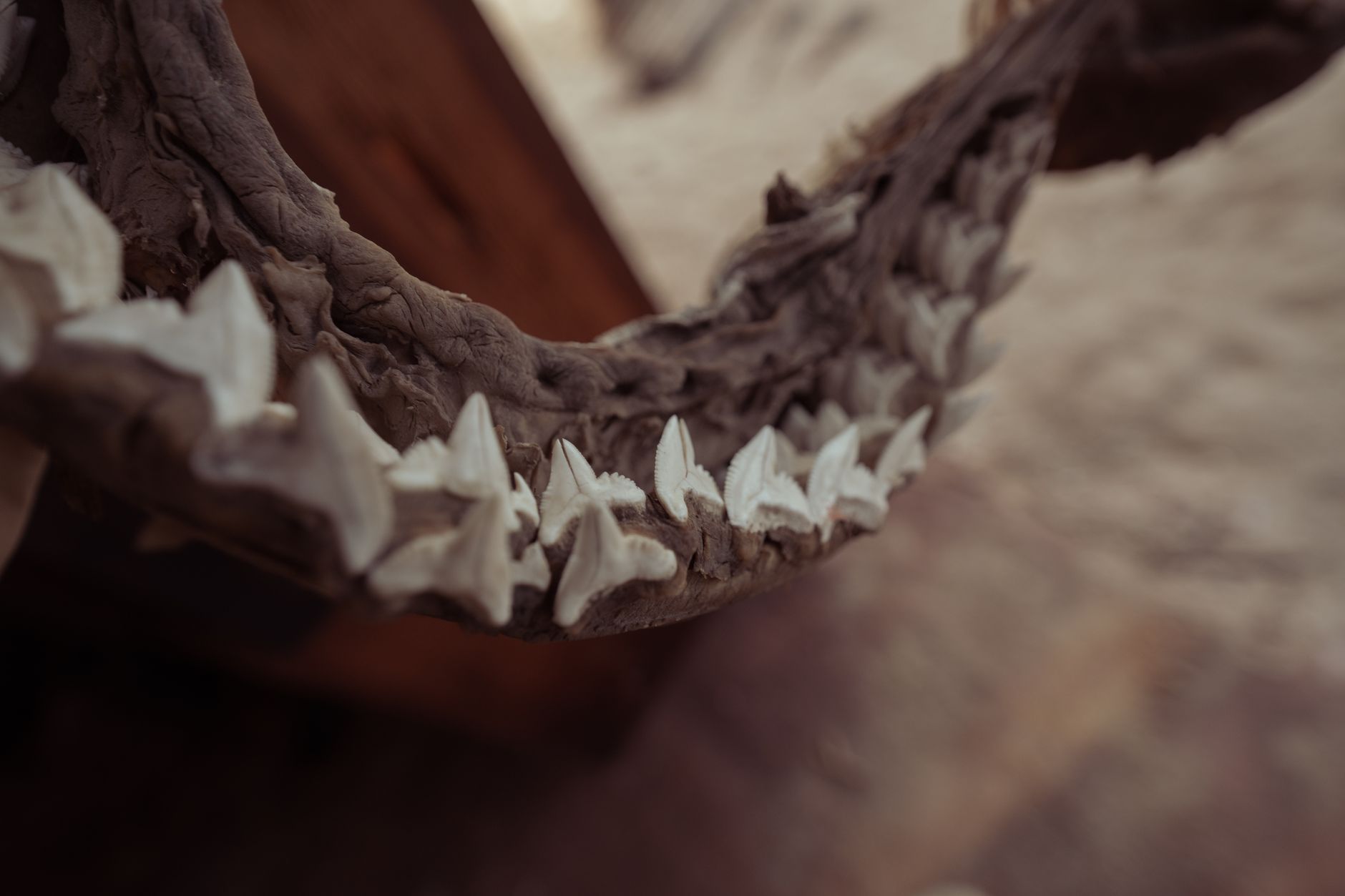
A great white does not have one set of teeth. It has a production line. National Geographic says the species carries around 300 teeth in total, set in seven rows of serrated, 2.5-inch-long teeth, and most of them are not used to bite.
The ones at the back are spares waiting their turn. That arrangement is the reason shark teeth are among the most common things you find on a beach, and it is worth understanding properly.
A conveyor belt, not a second set
Humans grow two sets of teeth and that is it. According to National Geographic, great whites keep growing new ones as long as they live, in a conveyor-belt-like apparatus that replaces teeth lost to everyday wear and tear.
The Natural History Museum in London describes the same thing from the fossil side. Its shark evolution timeline says an older tooth that breaks or wears down falls out of the front of the mouth and onto the sea floor, while a new tooth takes its place. The Florida Museum puts it simply: sharks shed teeth their whole lives, and because the teeth sit in layers, a new sharp one can immediately take the place of one that breaks off.
Picture a row of teeth tipped forward on a moving surface. The front row does the work. The rows behind are not idle, they are the next in line.
How many teeth is that over a lifetime?
The Natural History Museum gives a range: depending on species and diet, a shark can produce between 20,000 and 40,000 teeth over its entire lifetime. The Florida Museum says only that sharks can shed thousands of teeth, which is a more cautious way of saying the same thing.
Speed of replacement varies. Wikipedia’s article on shark teeth says young sharks can replace their teeth weekly, and that water temperature changes the rate. In nurse sharks, warmer water produced faster replacement and cold water slowed it down. I did not find a single figure that holds for every species, so treat any claim of “a tooth every X days” with suspicion unless it names the shark.
There is a safety margin in this. National Geographic notes that great whites have been documented with whole rows of teeth missing, perhaps after a run-in with a shark cage or other human-made equipment, and the new teeth come in quickly.
Tooth shape follows the menu
Not every shark runs the same machine. The Wikipedia article sorts teeth into a few working types, and each one fits a diet.
- Flattened and dense. Used to crush shellfish and crustaceans. Nurse sharks and angel sharks have them.
- Long and needle-like. Built for gripping small prey. The blue shark and bull shark are the examples given.
- Pointed below, serrated triangles above. The pointed lower teeth hold and the upper teeth cut. The great white is the famous case.
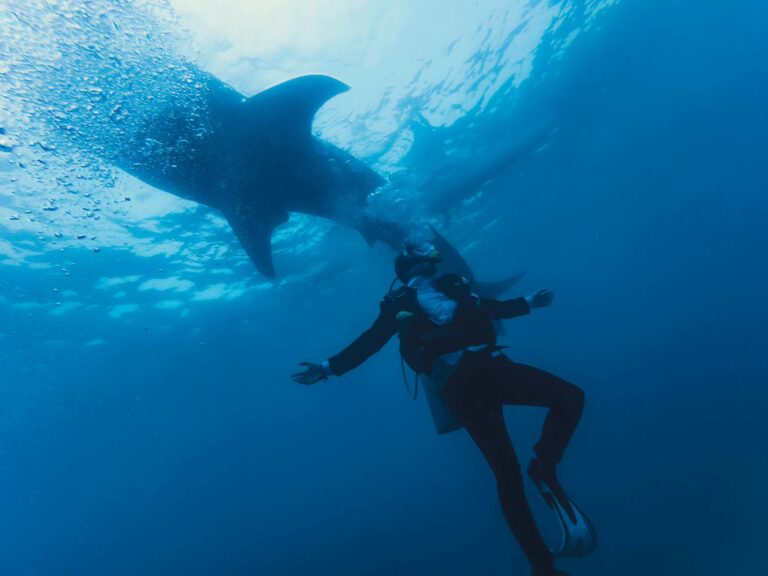
- Tiny and non-functional. Plankton feeders such as the basking shark and whale shark have greatly reduced teeth and filter their food instead.
You can read more about the filter feeders in our whale shark guide and our basking shark profile. For the cutting type, our great white deep dive covers the biology in more depth.
Shape also changes with age. The same Wikipedia article says young sharks start with narrow, sturdy teeth, while adult teeth are broader and thinner. A tooth found on a beach can come from a young shark or an old one of the same species, and it may not look quite the same.
Why the fossil record is mostly teeth
A shark skeleton is made of cartilage. The Natural History Museum points out that the only part of it not made from that soft, flexible tissue is the teeth, and that they are made of dentin, which is harder and denser even than bone. Soft cartilage rots away. Teeth do not.
Put that together with constant shedding and you get the result the museum states directly: shark teeth are the most common fossils. The Florida Museum agrees that they fossilize easily while the rest of the shark decomposes. One shark that sheds thousands of teeth leaves far more evidence than one that dies once.
Teeth also set the oldest dates we can trust. The Natural History Museum says the earliest shark-like teeth come from a 410-million-year-old Early Devonian fossil of an ancient fish called Doliodus problematicus. The same source says shark-like scales from the Late Ordovician have been found, but no teeth, which is why the older date rests on skin and not on a bite. Our shark evolution timeline follows that story further.
Size is part of the story too. Wikipedia lists megalodon teeth as the largest of any shark, extinct or living, with the biggest in excess of 17.7 centimetres (7 inches).
What this means if you pick one up
A tooth on the sand tells you nothing about a shark in the water, and nothing about a dead one. It was a spare that came out on schedule. If you want to identify one or check the rules where you are, our shark teeth collecting guide covers identification, cleaning and legality.
If you have found a tooth you cannot place, or you know a figure I have missed on how fast a particular species replaces its teeth, add it in the comments below.
Sources
- Florida Museum of Natural History, Shark FAQ
- Natural History Museum, Shark evolution: a 450 million year timeline
- National Geographic, Great white shark
- Wikipedia, Shark tooth
Got a shark photo of your own? Send it to us and we may post it here and on our Facebook page, with your name on it. Share your shark photo