Great White Shark Deep Dive: Biology, Behaviour, Conservation in 2026
The most comprehensive 2026 update on the great white shark. Range shifts, OCEARCH data, conservation status, the orca threat, and the most-asked questions answered.


The most comprehensive 2026 update on the great white shark. Range shifts, OCEARCH data, conservation status, the orca threat, and the most-asked questions answered.
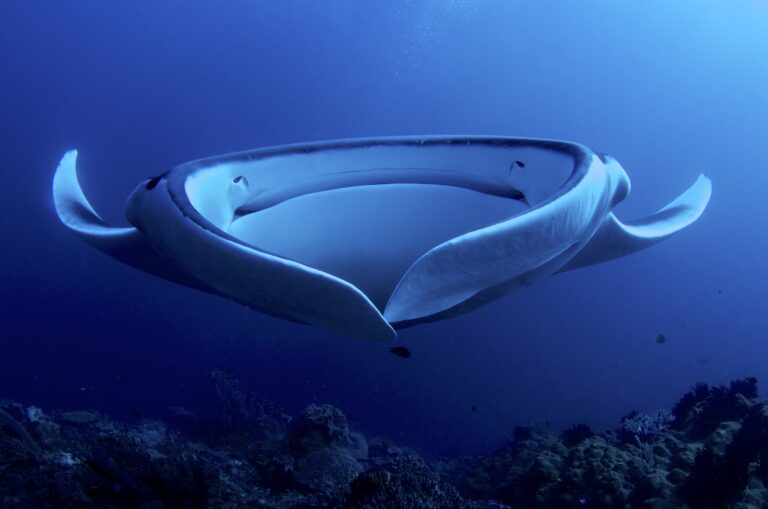
Manta rays are filter-feeding shark cousins with 7 m wingspans, the largest brain-to-body ratio of any fish, and IUCN Vulnerable to Endangered status.
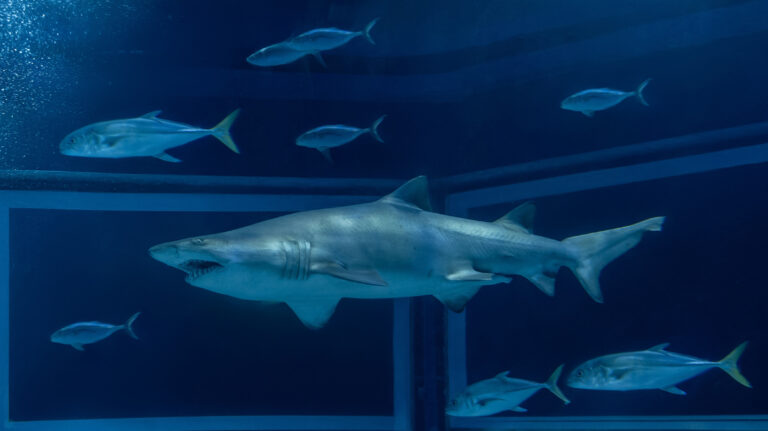
The sand tiger shark looks vicious (3 m, jagged teeth always showing) but is slow, docile, common in aquariums, and Critically Endangered in the wild.
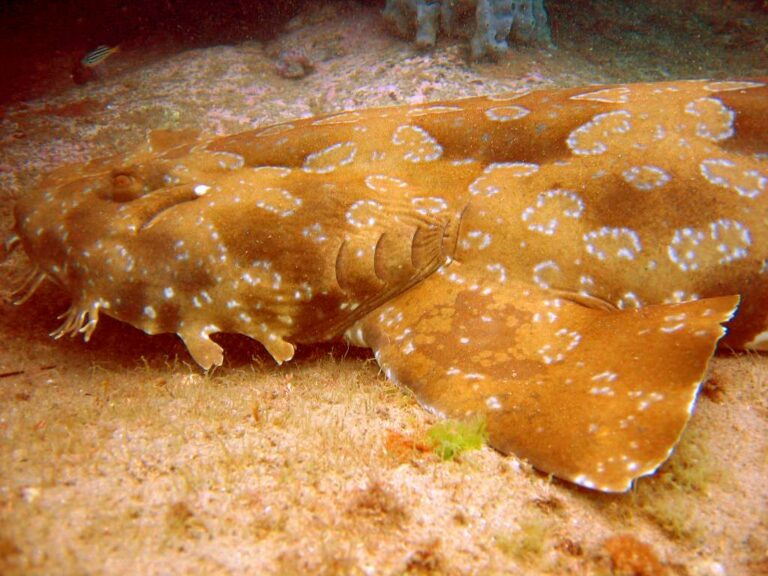
Wobbegongs are a 12-species family of flattened ambush carpet sharks; their dermal beards and skin patterns make them nearly invisible on Australian reefs.
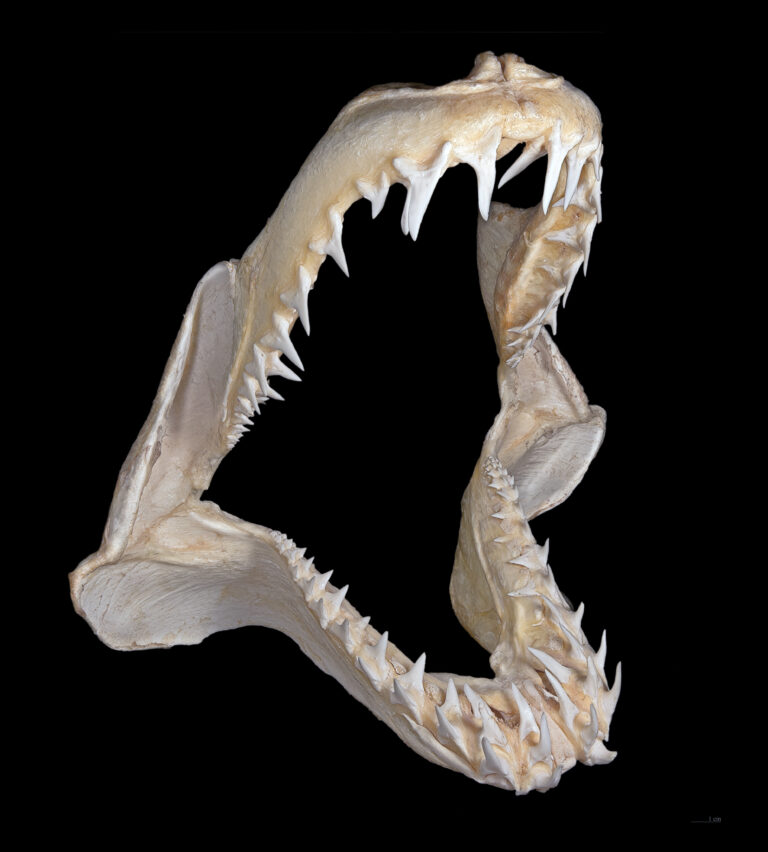
The shortfin mako is the fastest shark in the ocean: 70+ km/h bursts, 6 m leaps, warm-blooded biology, IUCN Endangered after decades of overfishing.
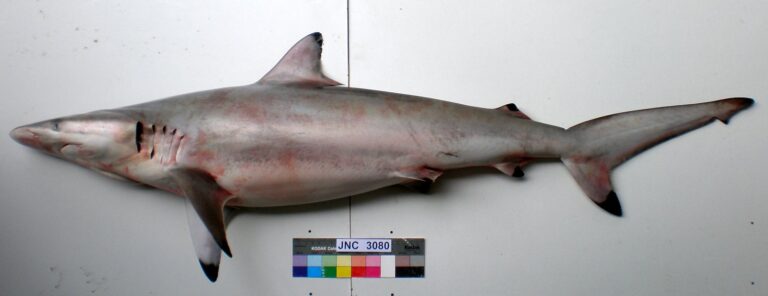
The spinner shark rockets through bait balls and spirals vertically out of the water; 16 unprovoked attacks recorded, none fatal.

The frilled shark looks more eel than shark: 2 m, 300 trident teeth, six gill slits, deep-sea habitat, and a 42-month pregnancy, longest of any vertebrate.

The broadnose sevengill shark has seven gill slits (most sharks have five), a 200 million year lineage, and hunts seals and dolphins in cold coastal kelp.
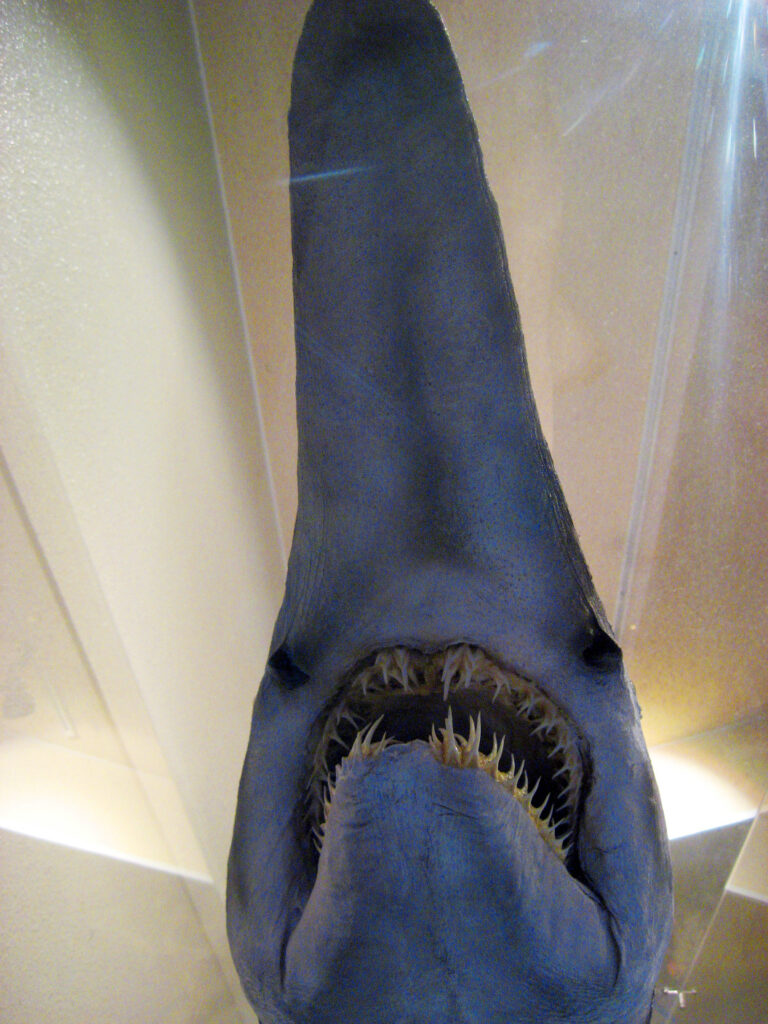
The goblin shark is a pink, deep-sea oddity with slingshot jaws that fire forward to grab prey; sole survivor of a 125 million year old family.
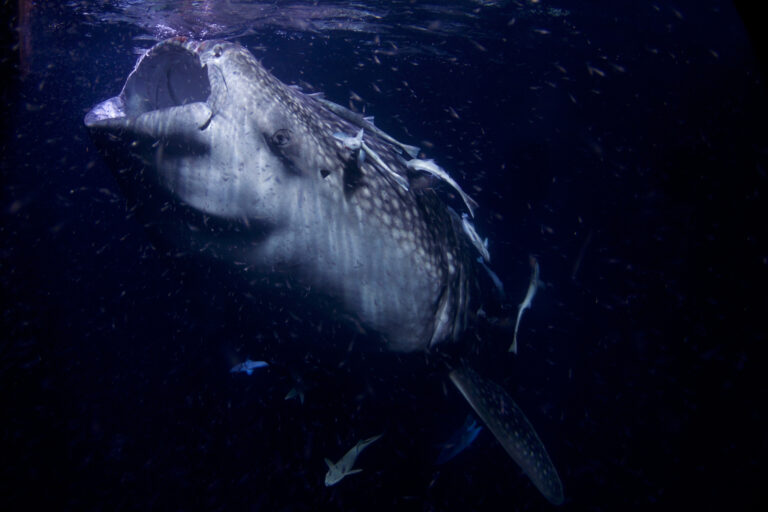
The whale shark is the biggest fish in the ocean, an 18 m, 20 tonne plankton-feeder that supports a global ecotourism trail from Mexico to the Philippines.
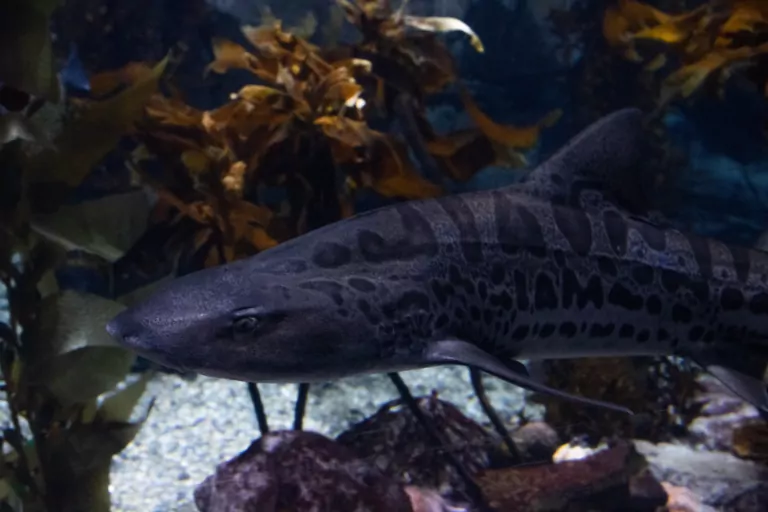
The leopard shark (Triakis semifasciata) is a slender, harmless coastal shark of the Pacific coast of North America, instantly recognizable by the dark gray saddle markings down its back.

The whitespotted bamboo shark (Chiloscyllium plagiosum) is a small, slender, nocturnal reef shark from the Indo-West Pacific, reaching about 1 m in length, with a dark brown body covered in pale white spots and dark saddles.
We send one careful shark roundup per month. Conservation news, species profiles, the occasional reader question we could not resist answering.
We never share your email. One-click unsubscribe.