
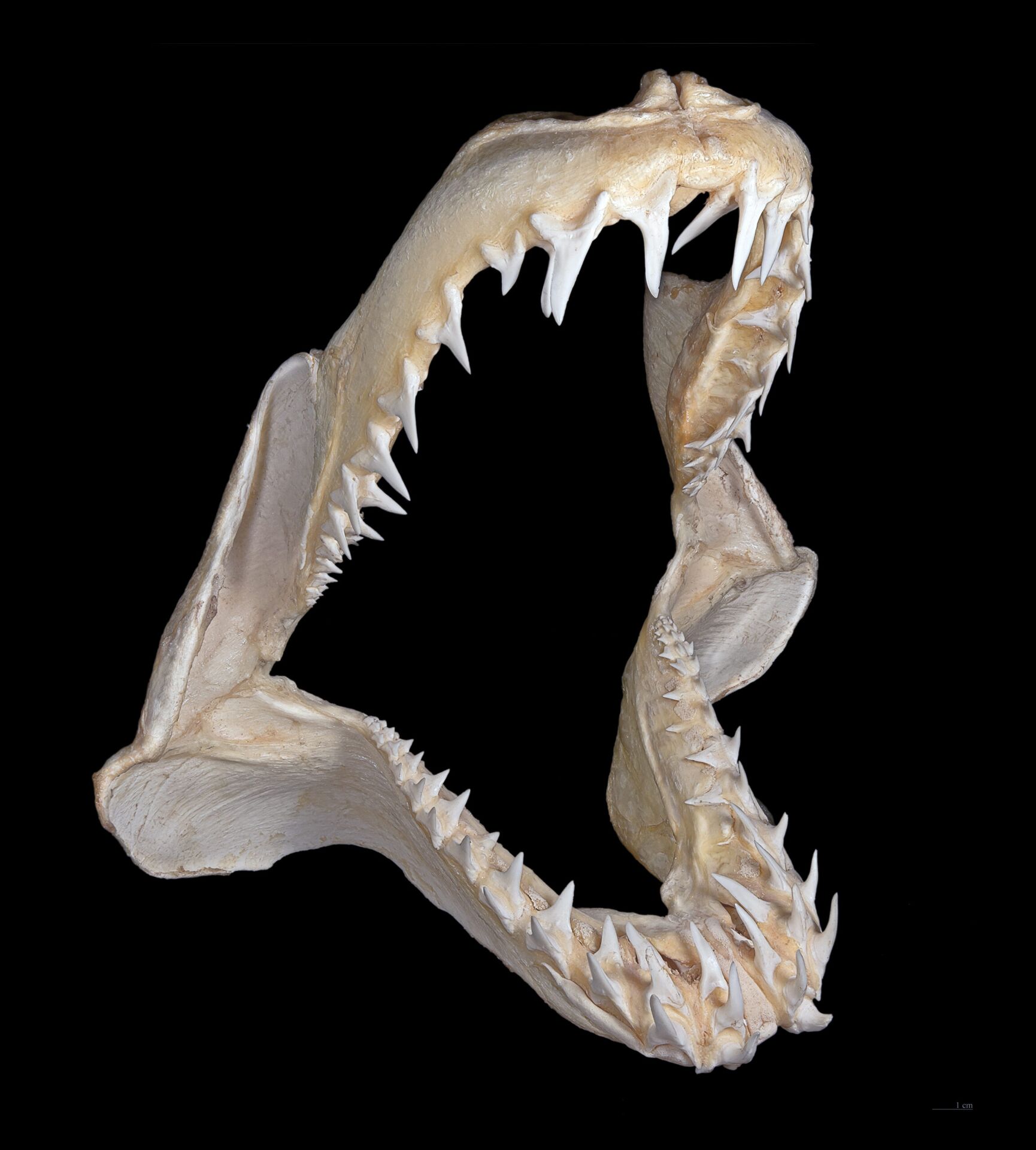
Mako Shark Deep Dive: The Fastest Shark in the Ocean
6 min read
Last Updated on May 14, 2026 by Otis Mako
The shortfin mako (Isurus oxyrinchus) is the fastest shark in the ocean, capable of bursts over 70 km/h, leaping 6 m out of the water, and maintaining a body temperature higher than the water around it. The mako shark, in both shortfin (Isurus oxyrinchus) and longfin (Isurus paucus) varieties, is the speed record holder of the shark world. Warm-blooded, capable of 70+ km/h bursts, and a 6 m vertical leap, the shortfin mako is also IUCN Endangered after decades of overfishing.
Part of our guide: Shark Species.
Key facts at a glance
| Scientific name | Isurus oxyrinchus (shortfin), Isurus paucus (longfin) |
|---|---|
| Family | Lamnidae |
| Max length | Shortfin up to 4.0 m, longfin up to 4.3 m |
| Max weight | Around 570 kg (1,260 lb) |
| Top speed | Estimated 70+ km/h (44 mph) in short bursts |
| Body temperature | Up to 7 to 10 C warmer than surrounding water |
| Diet | Tuna, billfish, swordfish, mackerel, squid, smaller sharks |
| Habitat | Open ocean worldwide, tropical and warm temperate |
| IUCN status (shortfin) | Endangered |
| Recorded unprovoked attacks on humans | 9 (1 fatal) per ISAF |
How fast can a mako actually swim
The often-quoted figure of 124 km/h (77 mph) is exaggerated. The most reliable instrumented data, from accelerometers attached to free swimming makos by NOAA and the Stanford Hopkins Marine Station, records peak burst speeds around 70 km/h (44 mph). Sustained cruising speed is closer to 30 to 50 km/h.
Even at the lower realistic figure, the mako is the fastest shark and one of the fastest fish in the ocean. Comparable speeds are reached only by tuna, billfish, and a few flying fish. The white shark, often spoken of in the same breath, reaches around 40 km/h in burst.
Warm-bodied biology
Makos are partially endothermic. They are part of the Lamnidae family, which also includes great whites, porbeagles, and salmon sharks, all of which use a counter-current heat-exchange system called the rete mirabile to keep their swimming muscles and brain warmer than the surrounding water. A mako in 16 C ocean water can keep its red muscle at 24 to 26 C.
That heat advantage means a mako can react and accelerate faster than the cold-bodied tuna it hunts, even in the same water. The cost is metabolic: makos must eat more than equivalently sized ectothermic sharks, which keeps them moving constantly and makes them poor candidates for captivity (no public aquarium has succeeded for more than a few weeks).
Leaping
Hooked makos are famous for breaching repeatedly. Sport fishing footage from Cape Cod, New Zealand, and Australia frequently shows the same shark clearing the surface 5 to 10 times in a single fight. Vertical leaps of 6 m above the water are credibly documented, and the shark can travel several metres horizontally in mid-air.
In the wild, leaping is also a feeding behaviour: makos accelerate through schools of bait fish or chase swordfish to the surface and breach as part of the prey capture, similar to spinner sharks but at much higher speeds.
Identification: shortfin vs longfin mako
The two mako species look similar but the longfin has noticeably longer pectoral fins (about as long as the head), larger eyes, and a darker underside. Longfins live in deeper, warmer pelagic waters, are less common, and are not the species you see in most leaping footage.
Quick ID guide:
- Shortfin pectoral fin: shorter than head length, body cobalt above and white below.
- Longfin pectoral fin: roughly equal to head length, dark blue above and grey-dusted belly.
- Shortfin eye: medium.
- Longfin eye: larger, set further forward, suited to dim light at depth.
- Habitat: shortfin near surface to 500 m; longfin deeper, more often 500 to 1,000 m.
Diet and hunting
Shortfin makos specialise in fast pelagic prey: bluefin and yellowfin tuna, mackerel, jacks, bonito, dolphinfish, swordfish, and occasional smaller sharks. There are documented cases of a mako killing and partially consuming a 270 kg swordfish, which is one of the most dangerous prey items in the open ocean. Stomach contents have included whole tuna and bill fragments embedded in the mouth.
Hunting is built around speed and ambush from below. The mako rises fast, takes the prey from underneath, and either swallows whole or tears off a chunk. The leaping after the strike is partly inertia, partly a feeding pattern that exposes prey to a second attack.
Are makos dangerous to humans
The International Shark Attack File records 9 unprovoked attacks attributed to shortfin makos, including 1 fatality. All incidents involved spear fishers, recreational anglers, or commercial fishermen during the handling of a hooked mako. There are essentially no recorded attacks on unbaited swimmers or divers.
The danger is mostly to people who pull a 3 m mako onto a boat and assume it is exhausted. Makos thrash, breach, and bite as the boat is moving back to harbour. Sport fishermen wear hardened mesh gloves and use bang sticks specifically because of mako thrashing incidents.
Conservation status
The shortfin mako is listed as Endangered by the IUCN as of 2019. North Atlantic populations have collapsed by an estimated 60 percent over three generations, driven by high-value catch for meat (mako is widely eaten in the United States, Mexico, Japan, and parts of Europe) and the fin trade. The 2021 ICCAT no-retention rule for North Atlantic shortfin mako was a landmark protection, but compliance is uneven.
Longfin mako (Isurus paucus) is listed Endangered as well, although population data is much sparser given the deeper habitat. CITES Appendix II protection (2019) covers both species, requiring permits and traceability for any international trade in fins or meat. The species needs decades of consistent protection to rebuild, given slow growth and late maturity.
Recreational fishing and the ethics question
Mako has been a trophy fishery for decades, especially in the United States, Mexico, New Zealand, South Africa, and Australia. Most modern operators have shifted to catch-and-release, often with circle hooks and quick releases, but mortality rates after release are still high (one study estimated 30 percent post-release death). Conservation groups including the Shark Trust and Pew Charitable Trusts have pushed for full no-take rules in the Atlantic, similar to the 2021 ICCAT decision.
The species is too valuable to the ecosystem and too slow to mature to handle continued exploitation. Anglers who still target makos can do most for the species by switching to catch and release, recording tag returns, and submitting samples to government tagging programs.
Related reading
For shark fans browsing for something to take home, see our store collections of shark books.
See the IUCN Red List entry for the shortfin mako. See the Shark Trust.
Frequently asked questions
How fast is a mako shark?
The most reliable instrumented data records peak burst speeds around 70 km/h (44 mph) in shortfin makos. Sustained cruising speed is closer to 30 to 50 km/h. The often-cited figure of 124 km/h (77 mph) comes from older, less reliable estimates and is not supported by accelerometer studies.
Why are makos warm-blooded?
Makos use a counter-current heat exchange system called the rete mirabile to keep their swimming muscles and brain warmer than the surrounding water, sometimes by 7 to 10 C. The same biology is found in white sharks, porbeagles, and salmon sharks (the Lamnidae family). The heat advantage allows faster reaction times, especially when hunting cold-bodied tuna and billfish.
Are mako sharks dangerous to humans?
Rarely. The International Shark Attack File records 9 unprovoked attacks attributed to shortfin makos with 1 fatality. Almost all incidents involve spear fishers or anglers handling hooked makos rather than unprovoked attacks on swimmers. Open water encounters with unbaited makos are very uncommon and usually peaceful.
How high can a mako shark leap?
Credible reports document vertical leaps of around 6 m above the water, with horizontal travel of several metres in the same jump. Leaping is most often seen during sport fishing fights or during feeding rushes through bait schools.
What is the difference between shortfin and longfin mako?
Shortfin makos (Isurus oxyrinchus) have pectoral fins shorter than their head length and live closer to the surface in tropical and warm temperate oceans. Longfin makos (Isurus paucus) have pectoral fins almost as long as their head, larger eyes, and live in deeper pelagic water. Both species reach around 4 m. The longfin is much less commonly seen.
Are mako sharks endangered?
Yes. The IUCN lists the shortfin mako as Endangered as of 2019, with North Atlantic populations down around 60 percent over three generations. The longfin mako is also Endangered. Both species are on CITES Appendix II since 2019, and the North Atlantic shortfin is now subject to a no-retention rule under ICCAT.
What do mako sharks eat?
Shortfin makos hunt fast pelagic fish: tuna (including bluefin), mackerel, jacks, bonito, dolphinfish, and swordfish. They also take squid and smaller sharks. Documented stomach contents include whole tuna and embedded swordfish bill fragments, evidence of dangerous prey selection.
How long do mako sharks live?
Shortfin makos live around 30 to 35 years in the wild. Females mature at 18 to 21 years and 2.7 m. Slow growth and late maturity are part of what makes the species so vulnerable to fishing pressure.
By Otis Mako. Last updated 13 May 2026.
Got a shark photo of your own? Send it to us and we may post it here and on our Facebook page, with your name on it. Share your shark photo

I’d been repeating the 124 km/h number to my students for years. Mildly embarrassing, but 70 is still fast enough to impress a room of teenagers.
Is the captivity problem mostly about space, or is it feeding? A tank big enough to cruise in sounds possible for a large aquarium. Keeping a mako fed and calm sounds much harder.
Mako is on the menu at a seafood place near my office and I never thought twice about it. Is any of it likely to come from the North Atlantic now, with the no-retention rule?