
Cocaine Sharks Found in Brazil
3 min read
Last Updated on July 27, 2026 by Otis Mako
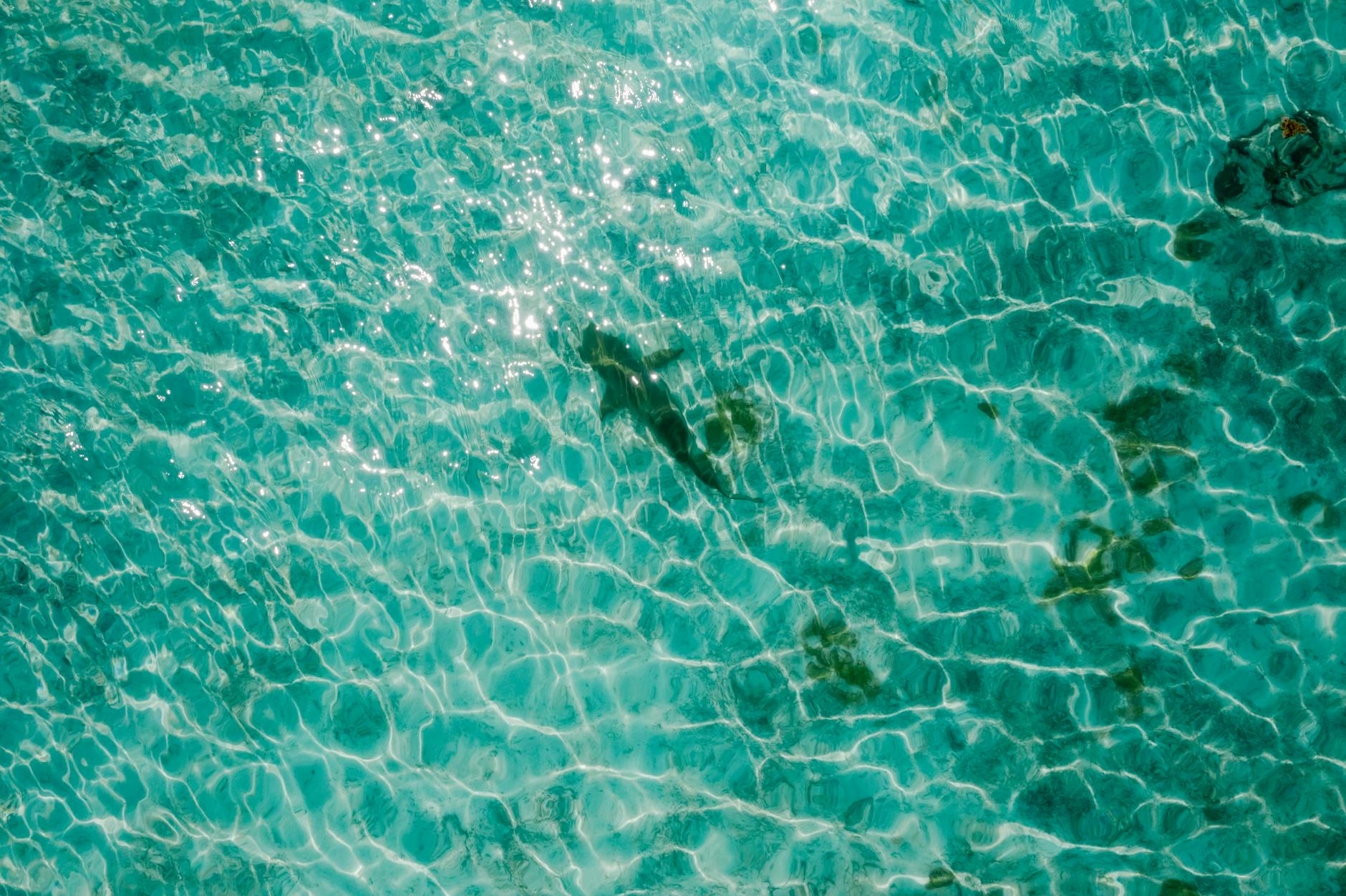
Scientists in Brazil tested 13 wild sharks for cocaine, and every single one came back positive. It was the first study of its kind, and it says as much about what runs off the land into coastal water as it does about the sharks.
The Cocaine Sharks Study
Researchers in Brazil examined 13 Brazilian sharpnose sharks, caught accidentally by fishermen in the waters off Recreio dos Bandeirantes near Rio de Janeiro between September 2021 and August 2023. The study was published in the peer-reviewed journal Science of the Total Environment.
The team found cocaine, and benzoylecgonine, the chemical the body produces when it breaks cocaine down, in the muscle and liver tissue of all 13 sharks. In some cases the concentrations were up to 100 times higher than levels previously recorded in other marine animals. As co-author Rachel Ann Hauser-Davis noted, no one had ever studied the effects of cocaine in sharks before, so there is no way of knowing how long this has been happening.
How Cocaine Reaches the Ocean
Researchers identified several human pathways.
- Untreated sewage. Brazil has a very large population of cocaine users, and many live in areas without sewage treatment. Cocaine and its metabolites pass through the human body and into wastewater, and where that wastewater is not treated, it flows straight into coastal waters.
- Runoff from illegal refining. Drainage from clandestine drug-processing labs can carry cocaine into rivers and out to sea.
- Deliberate dumping. Traffickers who fear being caught sometimes dump packages of the drug directly into the water.
The study grew out of exactly this concern. Co-author Enrico Mendes Saggioro, an ecotoxicologist, had been testing river water in Rio de Janeiro, found cocaine in it, and wanted to know whether the drug was reaching the sharks. It was.
What the Results Mean for the Sharks
The Brazilian sharpnose shark is a small, coastal species that lives in the same nearshore waters where contaminated runoff concentrates, which makes it an unfortunate but revealing test subject. The study found that male sharks carried lower cocaine concentrations than females, and, alarmingly, about half the females caught were pregnant. What the drug does to developing shark pups is simply not yet known.
Researchers are being careful about what this means. Previous research on other animals, such as zebrafish and mussels exposed to cocaine, has shown harm, so negative effects on sharks are considered probable. But the specific impact on the Brazilian sharpnose shark, a species the IUCN already lists as Vulnerable, remains an open question that researchers are continuing to investigate.
Cocaine Is Only Part of the Problem
The headline word is cocaine, but the study’s most sobering finding is broader. The same research group detected a long list of other pollutants across more than 30 species of sharks and rays, including:
- Heavy metals, which accumulate in tissue over an animal’s lifetime.
- Forever chemicals, the PFAS compounds that resist breaking down in the environment and build up in living things.
- Pesticides washed off land into rivers and the sea.
- PCBs and PBDEs, industrial chemicals linked to brain development and hormonal problems. PCBs were so harmful they were banned in the United States back in 1976, yet they still persist in the marine environment decades later.
Cocaine is the attention-grabbing headline, but it sits inside a chemical mixture that sharks absorb simply by living in coastal water near large human populations.
Why Sharks Accumulate Pollutants
There is a biological reason sharks are such effective warning signs of ocean pollution. As predators near the top of the food web, they eat prey that has already absorbed contaminants, a process called bioaccumulation. With each step up the food chain, those chemicals concentrate further, an effect known as biomagnification. Sharks also grow slowly and live for decades, giving pollutants a long time to build up in their bodies.
Should Anyone Worry About Eating Shark?
Shark and ray meat is eaten in many parts of the world, and the same bioaccumulation that makes sharks good pollution indicators also makes them a poor choice on the plate. Health authorities in several countries already advise limiting consumption of large predatory fish, including shark, because of mercury content, and the Brazilian study adds cocaine, forever chemicals, and banned industrial pollutants to that list of concerns. There are health reasons to be cautious about eating shark, and conservation reasons too, since many shark species are threatened and cannot withstand heavy fishing. Choosing not to eat shark is one of the simplest things an individual can do for these animals.
What the Scientists Say
Experts were not shocked by the results. Chris Lowe, director of the Shark Lab at California State University Long Beach, said it would be crazy to think you would not find cocaine or other illegal drugs in sharks. Marine conservation biologist David Shiffman of Arizona State University put the takeaway most plainly: please do not dump your trash, including illegal drugs, into the water.
Protecting sharks here means cleaning up what goes into rivers and coastal water. To understand more about the pressures facing these animals, read our shark conservation guide, and explore the wider world of shark species.
Got a shark photo of your own? Send it to us and we may post it here and on our Facebook page, with your name on it. Share your shark photo



What gets me is that about half the females were pregnant and nobody knows what this does to the pups. I hope that’s what they look at next.
Honestly the PCBs worry me more than the cocaine. Banned in the US decades ago and still turning up in shark tissue, that’s grim.