Hempstead Town Shark Patrol
3 min read
Last Updated on July 27, 2026 by
Hempstead Town launched a dedicated shark patrol on Long Island after a mako shark was spotted near the shore at Point Lookout over Memorial Day weekend. The patrol watches the water and talks to beachgoers, on beaches where sharks turn up every summer anyway.
The Sighting That Started It
When New York beaches opened for Memorial Day weekend, a fisherman spotted a mako shark in the water near the shore at Point Lookout, on the Long Beach barrier island. The shark, estimated at around 10 feet long, slipped back into deeper water and disappeared before authorities arrived. The encounter was enough to prompt the town to formalise a monitoring program for the season ahead.
A single sighting may seem like a thin reason for a whole patrol, but the timing was the point. Memorial Day marks the start of the New York beach season, and a confirmed large shark close to a popular shore is exactly the moment to put a structured response in place rather than improvise later in summer.
What the Hempstead Town Shark Patrol Does
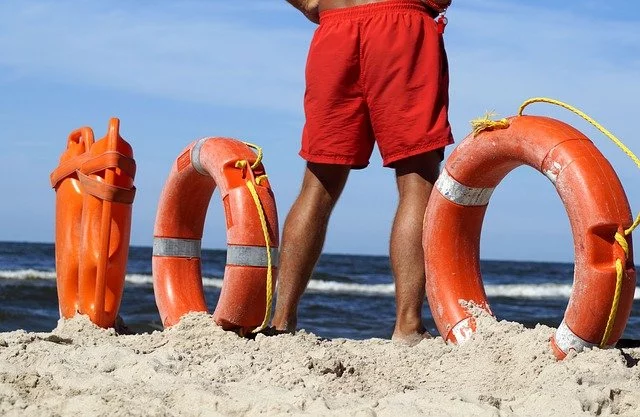
The patrol is staffed by a mix of volunteers and lifeguards, and its role is part surveillance and part education.
- Monitoring the water. The team watches the surf both from the shore and from the water, scanning for fins, baitfish activity, and anything that signals sharks moving close in.
- Educating beachgoers. Patrol members give visitors practical advice on what to do if they see a shark, turning a moment of fear into a calm, informed response.
- Rescue demonstrations. The patrol runs mock rescue drills so both staff and the public can see how a real response would unfold.
The aim is prevention through information rather than rumour.
Meet the Shortfin Mako Shark
The shark behind the patrol was a mako shark, almost certainly the shortfin mako, Isurus oxyrinchus. A few numbers explain why a sighting draws attention.
- Speed. The shortfin mako is the fastest shark known, capable of burst speeds around 46 miles per hour, roughly 74 kilometres per hour.
- Size. Adults commonly reach 8 to 10 feet, and exceptional individuals exceed 13 feet and weigh over 500 kilograms.
- Warm-blooded. The mako is one of the few sharks that can keep its body warmer than the surrounding water, which helps power those high speeds.
- Diet. It hunts fast prey near the top of the food web, including bluefish, tuna, and swordfish.
Makos appear in New York waters from around May onwards. As water temperatures climb through summer, sharks of several species move closer to shore, and sightings peak in July and August when the beaches are also at their busiest.
How to Read Beach Warning Flags
Before you enter the water anywhere, check the flags flying at the lifeguard station. They take a minute to learn.
- Red flag: the water is not safe to enter. Conditions or hazards make swimming dangerous.
- Double red flag: the water is closed to the public, often because sharks have been seen.
- Purple flag: dangerous marine life is present that is not a shark, such as jellyfish or stingrays.
- Flag marking the beach closed: a closure flag means stay out of the water entirely until lifeguards reopen it.
Flag systems can vary slightly between regions, so check the posted key at the beach you are visiting. Look at the flags before you swim, every time, and explain them to children so the whole family is reading the same signals.
Smart Swimming on Long Island
A shark patrol is reassuring, but personal habits still do most of the work. The sensible basics apply on any New York beach.
- Swim at lifeguarded beaches and stay reasonably close to shore.
- Avoid dawn and dusk, when many sharks feed and the light is poor.
- Stay away from schools of baitfish and from people fishing, since both draw sharks in.
- Leave shiny jewellery on the towel, as a flash of metal can resemble fish scales.
Shark bites on the New York coast are rare, and most negative encounters anywhere involve mistaken identity rather than deliberate hunting of people. The Hempstead Town Shark Patrol exists to keep an already small risk small.
Why the Mako Itself Needs Protecting
The shortfin mako is in serious trouble as a species. It is a slow grower that matures late, with females not reproducing until around 18 years of age, and it has been heavily overfished for its meat and fins and as bycatch in tuna and swordfish fisheries. The IUCN Red List now classes it as Endangered. A swimmer on Long Island faces a tiny risk from a mako, while the mako faces a documented decline from human activity. A patrol that calms public fear also, indirectly, helps the case for protecting the animal. To learn more about the fast, warm-blooded species behind the story, read our full profile of the mako shark.
Got a shark photo of your own? Send it to us and we may post it here and on our Facebook page, with your name on it. Share your shark photo