
Tiger Shark Attacked a Surfer in Kauai
4 min read
Last Updated on July 27, 2026 by Otis Mako

Veteran surfer Kevin Kanahe was bitten by an estimated 15-foot tiger shark while surfing at Hanalei Bay on Kauai, suffering deep injuries to his leg but saving himself by fighting back.
What Happened at Hanalei Bay
The incident occurred on a Sunday at Hanalei Bay, on Kauai’s lush north shore. Kanahe, 50, was paddling for a wave and had sat up on his board to turn around when a large tiger shark struck from his left side and seized his left leg.
He fought hard. According to his wife, he used his hands to try to lift the shark off, and one of his fingers went into the shark’s nostril, at which point the animal released him. Another surfer, Jeff McBride, helped Kanahe back to shore. He was rushed into surgery the same day. The bite reached the bone above and below his knee, chipping the femur, kneecap, and tibia, and tearing into the joint. His wife said that had the shark completed its bite, he would have lost the leg.
The Tiger Shark: Hawaii’s Apex Predator
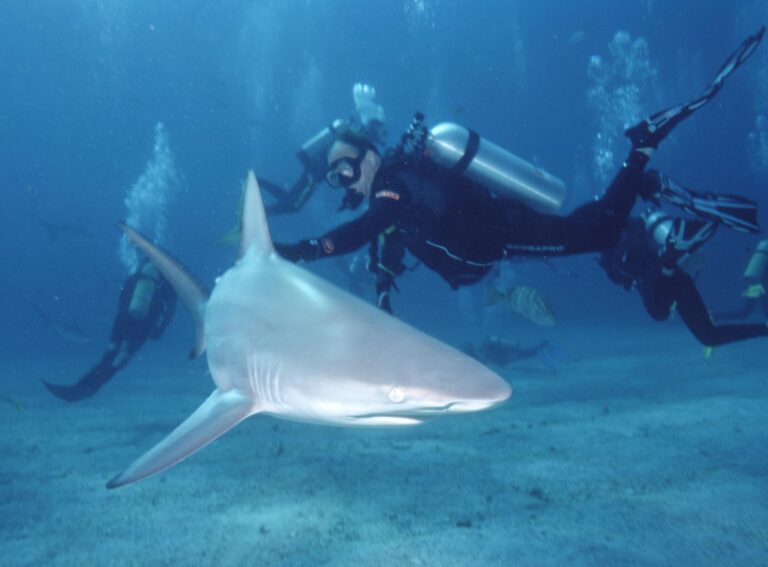
Tiger sharks, Galeocerdo cuvier, are the species behind the large majority of serious shark bites in Hawaiian waters, and a 15-foot animal is a genuinely formidable predator. Adults commonly exceed 4 metres, and the largest can approach 5.5 metres. Two traits make the tiger shark stand out.
- An unselective appetite. The tiger shark is famous for eating almost anything, from fish and turtles to seabirds and debris. That broad, investigative feeding behaviour means it is more likely than a fussier species to take an exploratory bite of an unfamiliar object.
- Power and size. A tiger shark’s serrated teeth can cut through hard material like turtle shell, which is why a bite from a large individual is so damaging.
Even so, a tiger shark is not a deliberate hunter of people. Researchers understand most bites as mistaken identity in murky or low-light water, and, as the original report noted, once a shark realises a human is not its usual prey it typically lets go and leaves. That is exactly the pattern in Kanahe’s account.
Why Fighting Back Works
Kanahe’s escape followed sound principles. If a shark becomes aggressive, the advice from researchers is to avoid playing dead and to target the shark’s most sensitive areas. The snout, the eyes, the gills, and the nostrils are all vulnerable. Kanahe instinctively jabbed a finger into the shark’s nostril, one of the precise spots that can make a shark break off. Hitting these areas firmly and repeatedly is a recognised defensive response, and it gave him the seconds he needed.
The role of his fellow surfer matters too. Jeff McBride helping Kanahe back to shore is a reminder that surfing with others is itself a safety measure. A bleeding injury far from shore is far more survivable when someone is there to help.
Once a Surfer, Always a Surfer
Kanahe’s first instinct after the bite was practical: if he lost the leg, he said, he would get a prosthetic like Mike Coots so he could surf again.
That reference carries real weight on Kauai. Mike Coots lost a leg to a tiger shark while surfing off Kauai in 1997, at the age of 18. He was back in the water within a month and now surfs daily with a custom surfing prosthetic. He also turned the experience into a conservation mission, becoming a shark advocate, a photographer, and a campaigner who helped Hawaii pass its 2010 ban on the possession and sale of shark fins, the first such law in any United States state.
Why More Encounters Are Reported
The Hanalei Bay incident came during a stretch with other reported bites, including a surfer at Linda Mar Beach in California. Several factors are thought to contribute to more frequent encounters: warming water shifting where sharks and their prey range, changes in baitfish distribution, and simply more people in the water. It is worth keeping the scale honest. Shark bites remain rare against the millions of safe ocean visits each year, and the rise is a change in a very small number.
First Aid That Saves Limbs and Lives
Rapid, correct first aid is what turns a catastrophic shark bite into a survivable one. A deep leg bite can sever major blood vessels, and uncontrolled bleeding is the real danger far more often than the bite itself. The priorities are simple and worth knowing before you ever need them. Get the person out of the water and onto stable ground. Apply firm, direct pressure to the wound with whatever clean material is to hand, and keep it there. If bleeding is severe and will not stop, a tourniquet applied above the wound can be lifesaving. Call for emergency help immediately and keep the person warm and as calm as possible until it arrives. Kanahe reached surgery the same day, and that speed almost certainly saved his leg.
Sharing the Water on Kauai
Hanalei Bay is one of the most beautiful surf spots in the world, and a single bite should not erase that. The sensible response is informed caution: surf with others, avoid dawn and dusk, stay out of murky water, and heed any posted shark advisories. Tiger sharks belong in these waters and keep Hawaii’s reefs and seagrass meadows healthy. For more on why bites happen and how to stay safe, read our shark attacks guide.
Part of our guide: Shark Attacks Guide.
Got a shark photo of your own? Send it to us and we may post it here and on our Facebook page, with your name on it. Share your shark photo




Is the nostril really a weak spot, or did his hand just land in the right place? I’d always heard eyes and gills, never the nose.