
Woman Suffers Serious Shark Bite in Hawaii
4 min read
Last Updated on July 27, 2026 by

A 51-year-old snorkeler suffered a serious shark bite at Pa’ia Beach Park on Maui, in murky water churned up by heavy rain the night before. The incident closed three beaches, and it is a clear example of how water conditions drive shark risk.
What Happened at Pa’ia Beach
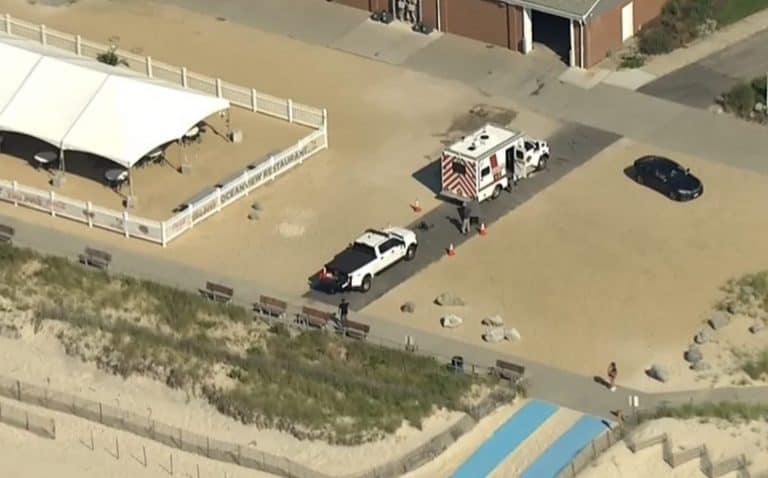
The bite occurred on a Saturday at around 4pm at Pa’ia Beach Park, on Maui’s north shore. The woman was swimming or snorkelling only about 40 feet from shore when she was bitten. Bystanders saw her struggling, brought her back to the beach, and firefighters were waiting. Paramedics took over, while police and lifeguards cleared everyone else from the water.
She was taken to Maui Memorial Medical Center in critical condition. As a precaution, three beaches in the area were closed until the following Monday morning, a standard response that gives officials time to monitor the water before reopening.
Why Murky Water Is the Key Factor
Heavy rain the night before had churned the ocean into murky, sediment-laden water, and that is the condition under which most shark bites happen.
The reason lies in how sharks hunt. Michelle Benedict, an aquarist supervisor at Sea Life Park, explained that when a predator is pursuing a meal it will grab at the first thing it senses that could be food, and accidental bites are usually just that, a case of mistaken identity. Sharks do not have sharp vision; they read prey through motion and through contrast against the background. In clear water a shark can see that a snorkeler is not a fish. In brown, churned-up water it cannot, so a moving limb becomes an ambiguous target. A 2013 University of Hawaii study found a clear link between murky water and increased shark incidents, which is why water clarity, rather than the mere presence of sharks, is the factor that matters most.
Benedict added a reassuring point: when a shark mistakes a person for prey and bites, it rarely returns to finish the job. The exploratory bite, then the shark leaving, is the typical pattern, and it is why bystander rescue, as happened at Pa’ia, can be effective.
How Common Are Shark Bites in Hawaii?
The numbers behind Hawaii bites are far less alarming than the headlines. The Hawaii Department of Land and Natural Resources estimates that the chance of an ocean user being bitten by a shark in Hawaii is less than one in a million. Across the islands, the long-term average is roughly six shark incidents per year, against millions of ocean visits.
A few facts give the fuller picture.
- Of all the Hawaiian islands, Maui has recorded the most shark incidents, with its mix of popular beaches, reefs, and channel edges.
- Where the species can be identified, the tiger shark is involved in the large majority of Hawaiian bites, because of its size and its famously unselective feeding.
- Analysis of three decades of records shows a clear spike in October, linked to tiger shark pupping season and the movement of female tigers toward the main islands.
How to Avoid a Shark Bite on Maui
The advice below follows directly from how sharks hunt and when bites happen.
- Stay out of murky water. If recent rain has turned the ocean brown, especially near river mouths and runoff, wait for it to clear. This is the single most effective rule.
- Avoid dawn and dusk. Many sharks feed most actively in low light, when their vision advantage over you is greatest.
- Swim with others and stay near shore. An isolated swimmer is both more vulnerable and harder to help. The Pa’ia woman survived in large part because people were nearby.
- Reduce contrast and splashing. Bright or contrasting colours and erratic splashing can read as a struggling fish. Snorkellers and swimmers who thrash draw more attention.
- Heed beach closures. If lifeguards have closed the water, stay out. Closures exist precisely to break the chain of risk.
For a fuller breakdown, see our guide on how to avoid a shark attack.
Snorkelling Safely Around Maui
Maui remains one of the best snorkelling destinations in the world, and a single bite should not put anyone off the water. The trick is choosing where and when. Sheltered, clear-water spots with protective reefs and good visibility, the kind of places that draw snorkel tours, sit at the low-risk end of the spectrum. Higher-risk conditions cluster around channel edges, drop-offs, river mouths, and any beach where runoff has just clouded the water. Morning sessions on a calm, clear day after a dry spell are about as safe as ocean swimming gets. The same beach after a night of heavy rain, late in the afternoon, is a different proposition entirely. Reading those conditions, rather than avoiding the ocean, is what keeps a Maui trip both safe and worth taking.
Respecting Hawaii’s Sharks
Sharks hold a deep place in Hawaiian culture, where some families regard certain sharks as aumakua, ancestral guardian spirits. That cultural respect sits comfortably alongside the modern science: sharks are predators that keep reef ecosystems healthy. The Pa’ia bite was a serious and frightening event, and it deserves real concern for the woman involved. It was also a predictable consequence of murky water. Read the water, follow the conditions, and stay out when the ocean is brown. For more on why bites happen and how to stay safe, see our shark attacks guide.
Part of our guide: Shark Attacks Guide.
Got a shark photo of your own? Send it to us and we may post it here and on our Facebook page, with your name on it. Share your shark photo



We were on Maui a few years back after a big storm and the water near the stream mouths stayed brown for days. None of the locals went in, which told us enough.