
Shark Attack in Haleiwa
4 min read
Last Updated on May 18, 2026 by Otis Mako
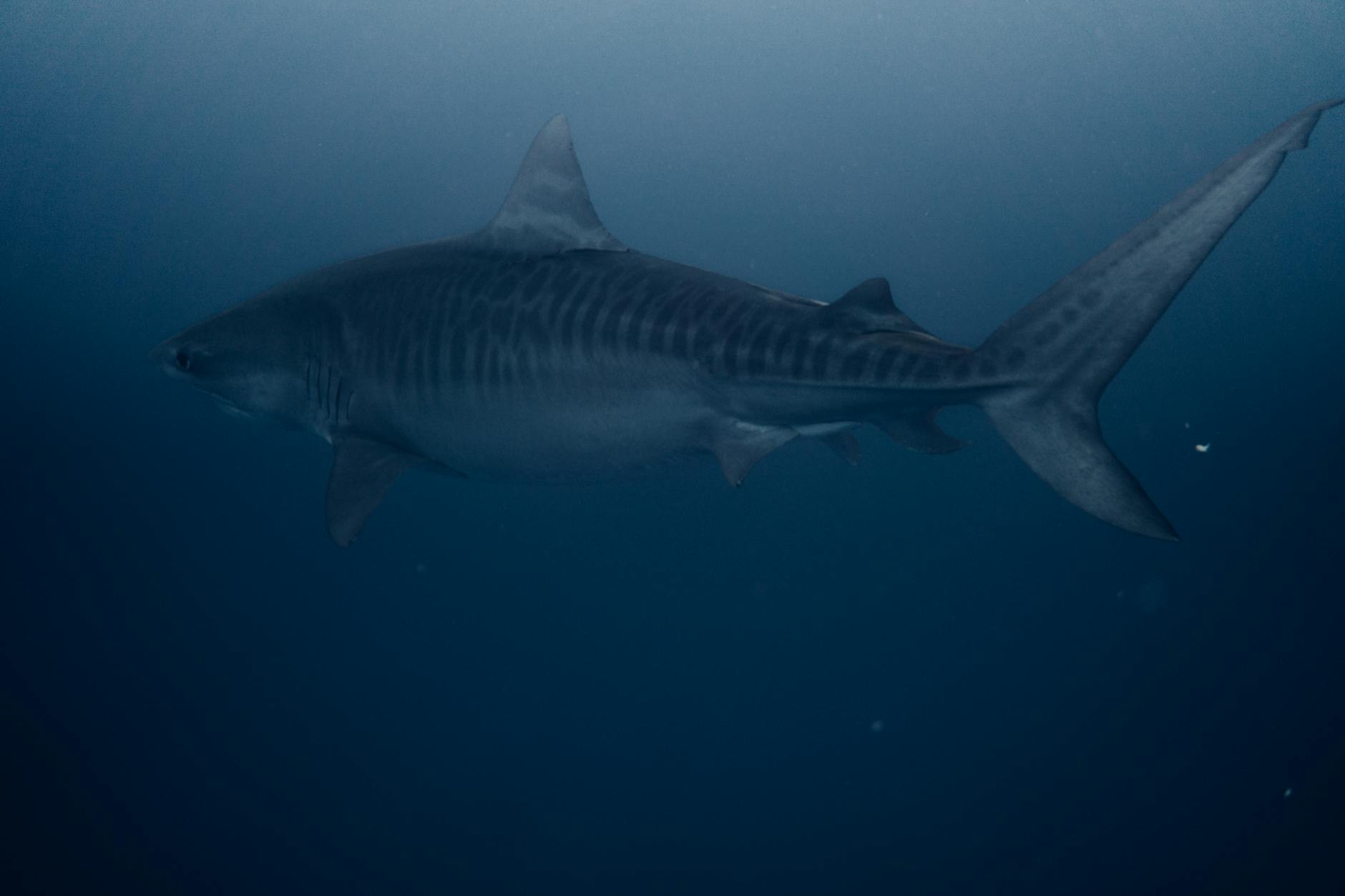
A Spanish surfer was bitten by a shark at Haleiwa on the North Shore of Oahu, Hawaii, in an attack that locals say fits a seasonal pattern. The incident, in October, happened during the time of year Hawaiians half-jokingly call Sharktober, and there is genuine science behind the nickname. The surfer survived, thanks largely to a fast-thinking instructor on the beach.
What happened at Haleiwa
The attack took place around 3 p.m. on a Wednesday. The 30-year-old surfer, visiting from Spain, was in the water with his wife on a board rented from the North Shore Ohana School of Surfing when a shark bit his left thigh.
A surf instructor, Zack Murphy, reached him quickly and acted with real presence of mind. As he described it, he removed his own surfboard leash, used it as a tourniquet on the man’s leg, and applied pressure to the wound. The surfer was able to walk afterward, which Murphy called a “best worst-case scenario.” He stayed with the injured man until emergency medical services arrived to take him to hospital. The wound was serious but not life-threatening.
Haleiwa and the North Shore
Haleiwa is a small town on the North Shore of Oahu, a stretch of coast world-famous for surfing. From roughly November to February, the North Shore receives huge Pacific swells that draw professional surfers and major competitions to breaks like Pipeline and Sunset Beach. For most of the year, though, the water is calmer and busy with surf schools and beginners, which is the setting in which this attack happened.
Local surf instructors made clear how unusual the bite was. One, Aina Kane, said, “We’ve been doing lessons out here forever, and this is the first time anyone’s got bit.” Another long-serving instructor, Bryan Suratt, said he sees sharks regularly but had never had one come so close to an incident. Serious shark bites at a busy, well-known surf spot are genuinely rare.
What is Sharktober
The timing was no coincidence in the eyes of locals. Hawaiians use the term Sharktober for the autumn months because shark activity around the islands measurably increases at that time of year. This is not folklore. It is supported by tagging research.
As the Waikiki Aquarium director explained, October and November are when larger female tiger sharks migrate toward the main Hawaiian Islands, including Oahu and Maui, from the more remote Northwestern Hawaiian Islands. Researchers at the University of Hawaii have tracked this seasonal movement using satellite and acoustic tags. The leading hypothesis is that pregnant female tiger sharks travel to the main islands to give birth in autumn, which puts more large sharks in nearshore waters exactly when the bite happened. The autumn peak in shark incidents around Hawaii lines up closely with this migration.
The tiger shark
Eyewitnesses and the rescuing instructor believed the Haleiwa attack was caused by a juvenile tiger shark, and a tiger shark had reportedly been seen in the area for several days beforehand. Murphy estimated from the bite that the jaws were about a foot wide.
The tiger shark, Galeocerdo cuvier, is one of the most common large sharks in Hawaiian waters and the species most often involved in serious bites there. Adults can exceed 4 metres. Tiger sharks are notable for an extremely varied, indiscriminate diet, and that exploratory feeding style is part of why they sometimes test-bite unfamiliar objects, including surfboards. Most experts regard such bites as cases of mistaken identity rather than predation: a surfer paddling on a board can resemble a turtle or seal from below. You can learn more in our tiger shark profile.
Sharks in Hawaiian culture
It is worth knowing that in Hawaii sharks are not simply seen as a threat. In traditional Hawaiian culture, sharks, known as mano, are deeply respected, and some families regard particular sharks as aumakua, ancestral guardian spirits. That cultural reverence sits alongside the modern reality of surf tourism, and it shapes how many residents talk about incidents like the Haleiwa bite: with caution and respect rather than fear or a call to cull. Hawaii has not pursued the large-scale shark culls seen in some other places, and scientific research, rather than killing, is the islands’ main response to seasonal risk.
Staying safe during Sharktober
If you surf or swim in Hawaii, especially in autumn, a few habits lower your already low risk:
- Be extra cautious in October and November, when tiger shark activity peaks.
- Avoid dawn, dusk, and murky water, when sharks are most active and visibility is poor.
- Stay out of the water near river mouths and after heavy rain, which carries runoff and prey into the sea.
- Do not surf or swim alone. The Haleiwa surfer survived because an instructor was close enough to help in seconds.
- Heed posted shark warnings and beach closures, and watch the official Hawaii shark advisory updates.
This attack came just a week and a half after a 50-year-old surfer was bitten in Hanalei Bay on Kauai, another autumn incident consistent with the Sharktober pattern. Even so, with millions of ocean visits a year in Hawaii, serious bites remain rare. For more on lowering your risk, read our guide on how to avoid a shark attack.
Part of our guide: Shark Attacks Guide.
Got a shark photo of your own? Send it to us and we may post it here and on our Facebook page, with your name on it. Share your shark photo



Is the October rise mostly about more sharks near shore, or are there also more people in the water then? I’d have guessed the winter swell brings the bigger crowds.