
Shark Fin Regulation Vote
3 min read
Last Updated on July 27, 2026 by Otis Mako

In November 2022, almost 200 countries voted to bring the global shark fin trade under control, in what conservationists called a turning point for ocean predators. Meeting in Panama, they agreed to add dozens of shark species to a protected list, regulating the trade that has driven many of them toward extinction.
What was decided in Panama
The vote took place at the 19th Conference of the Parties, known as CoP19, of the Convention on International Trade in Endangered Species of Wild Fauna and Flora, usually shortened to CITES. It added 54 shark species to CITES Appendix II, the listing that regulates international trade in a species rather than banning it outright. The proposal, led by Panama and backed by around 40 other countries, focused above all on the requiem sharks, a large family that includes the bull shark, the blacktip and many others, plus six species of small hammerhead. The frequently traded tiger shark belongs to that same requiem shark family. The vote also added around 37 species of guitarfish, a group of rays.
What CITES is and what Appendix II means
CITES is the international agreement that governs cross-border trade in wild plants and animals, with most of the world’s countries as members. It works through appendices. Appendix I species cannot be traded commercially at all. Appendix II species can still be traded, but only with permits showing the trade is legal and sustainable and will not threaten the species’ survival. Putting 54 shark species on Appendix II means that, in principle, every fin crossing a border should now come with paperwork proving it was harvested sustainably. That is the mechanism by which the listing tightens the fin trade.
Why the fin trade is so damaging
Sharks are killed in enormous numbers for one body part. Their fins feed the market for shark fin soup, a dish historically associated with status in parts of Asia. The fin itself adds little flavour, and is prized for texture and prestige. Between 80 and 100 million sharks are killed a year, about 25 million of them threatened species, with the fin trade a major driver. Shark and ray populations are estimated to have fallen by around 70 percent over the past five decades. Sharks reproduce slowly, maturing late and producing few young, so once a population crashes it recovers painfully slowly.
Why the 2022 vote was different
Shark species had been added to CITES appendices before, but in small numbers. The 2022 vote was different in scale. Because the requiem sharks make up such a large share of the fins in trade, listing the whole group meant that, by some estimates, roughly two-thirds of the species in the global fin trade were now covered. Luke Warwick of the Wildlife Conservation Society welcomed the outcome, saying the fin trade would now be “fully regulated” and that the step would “forever change how the world’s ocean predators are managed and protected”. A rule that catches most of the trade is far harder to dodge than one that catches a few headline species.
How this differs from a finning ban
The two measures are easy to confuse. A finning ban, such as the EU’s “Fins Naturally Attached” rule, targets the act of cutting fins off a shark at sea. The CITES Appendix II listing regulates the international trade in shark products across borders, demanding proof of legal, sustainable sourcing. They work at different points in the chain, and ideally they reinforce each other. A finning ban stops the cruellest practice on the boat, and trade regulation makes it harder to sell the product anywhere in the world.
The requiem sharks at the centre of it
The requiem sharks are not obscure. They are among the most familiar sharks in the world’s warm and temperate seas. The family includes the bull shark, famous for entering rivers and lakes; the blacktip and whitetip reef sharks divers see constantly; the oceanic whitetip, once one of the most abundant large animals in the open ocean and now badly depleted; and the tiger shark, an apex predator. Many of these species are wide-ranging and migratory, which means no single country can protect them alone. A shark tagged in one nation’s waters may be fished in another’s a month later. That is why an international agreement like CITES, rather than a patchwork of national laws, is the right tool for the job.
Will it actually work?
The real test is enforcement. Appendix II listings only protect sharks if customs officers can identify fins, if permits are properly issued and checked, and if illegal shipments are intercepted. Identifying a dried fin to species is genuinely hard, though DNA testing and visual guides are improving, and there will be a transition period as fishing nations adjust. The world has agreed that the shark fin trade must be controlled, and from here it comes down to permits issued, containers inspected and shipments seized, port by port. For the wider context on shark protection, including finning bans and what individuals can do, read our full Shark Conservation Guide.
Part of our guide: Shark Conservation Guide.
Got a shark photo of your own? Send it to us and we may post it here and on our Facebook page, with your name on it. Share your shark photo


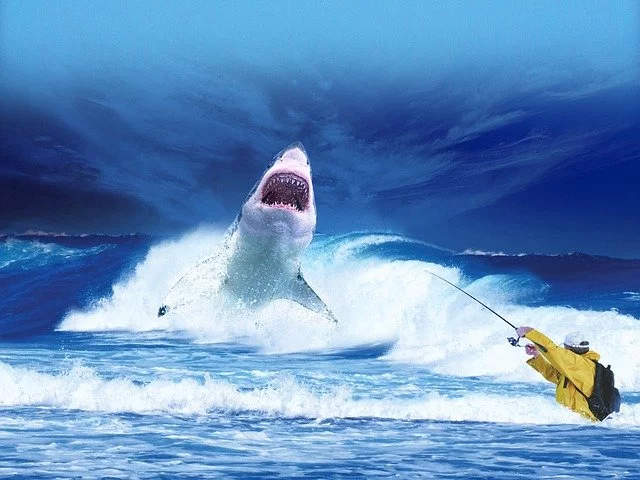
We absolutely need sharks. The whole ecosystem will fail if they extinct. So, YES, it´s very very important that we take care of these majestueus sea creatures!
I myself love the species because they are beautiful and often completely misunderstood. The media deals a great part in that. The only thing that is shown are attacks (mostly cases of missed identity) or little films when they´re hunting and eating because it´s so spectaculair. But they´re is so much more to explore.. They really aren´t bold men-eaters!
How do customs officers tell a dried bull shark fin from a fin of some unlisted species? I suspect plenty of shipments will be waved through until DNA testing gets cheap.