
Three Shark Attacks in Long Island
4 min read
Last Updated on May 18, 2026 by
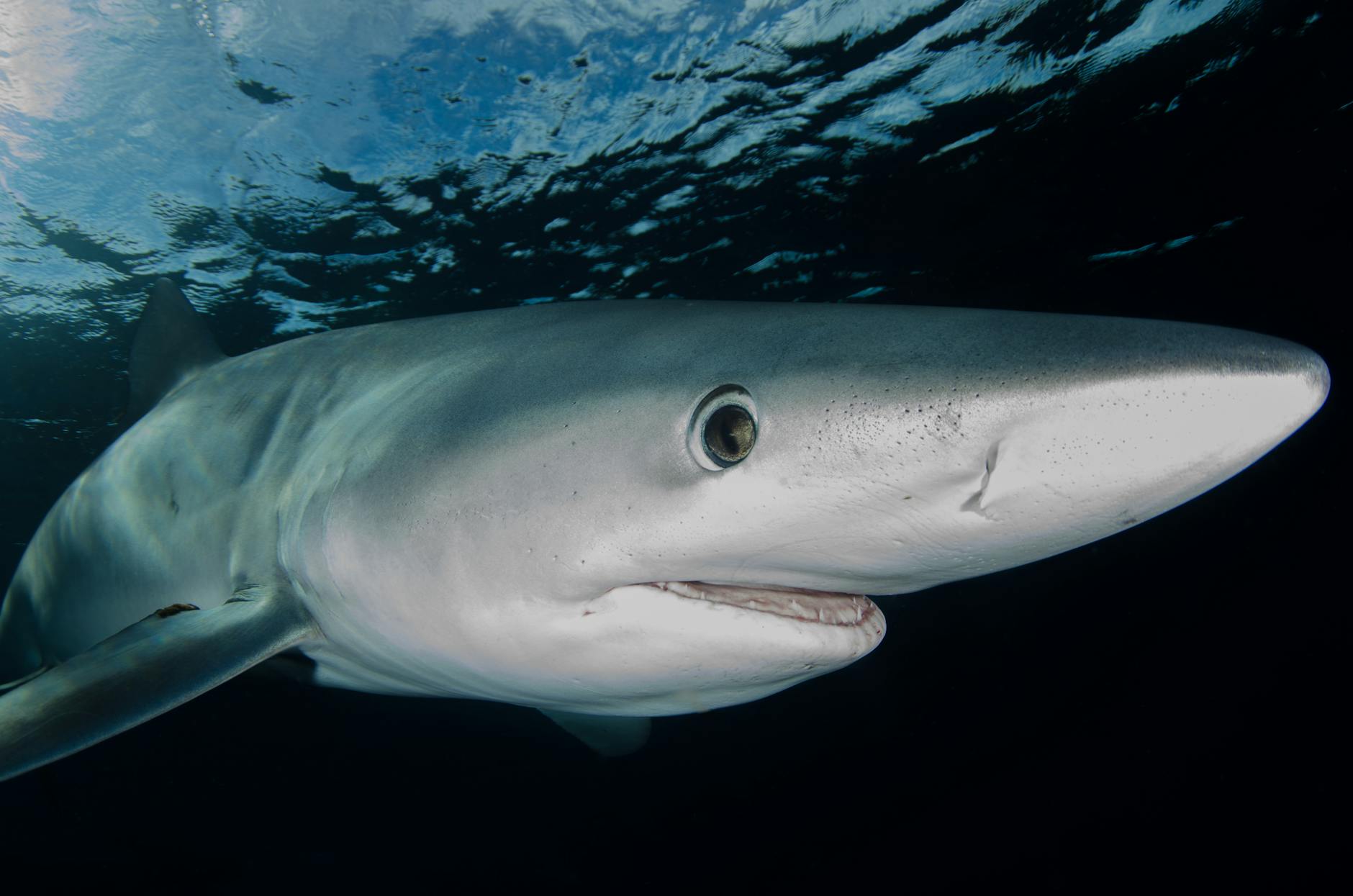
Long Island saw a cluster of shark bites in July 2022, with at least three people, two of them lifeguards, bitten in the water within days of each other. All the injuries were minor, and the story is a useful lesson in why these incidents happen and how seriously to take them. The honest answer: rare bites in shark country are not a crisis, they are biology.
What happened in the water
The most striking detail is that two of those bitten were lifeguards, and neither was swimming or surfing at the time. Both were taking part in training drills, holding still in the water while playing the role of a victim, which puts a stationary person in shallow water exactly where a confused shark might mistake them for prey.
The first lifeguard, Zachari Gallo, a special education teacher, was bitten at Smith Point during the July 4th weekend while training with colleagues. He felt pressure on his hand, punched at the water several times until the shark released him and turned away, and estimated it at around four to five feet long. His injuries were minor: two stitches and a course of antibiotics. A few days later, on a Thursday morning, a 17-year-old named John Mullins was bitten while training to be a lifeguard at Ocean Beach on Fire Island. He felt something on his foot and described it afterwards as “like a scrape, like a rake going up my foot”. He was only about 150 feet from shore. He was expected to recover fully and return to lifeguard duty.

Long Island and the sharks that live there
Long Island stretches east from New York City into the Atlantic, with the popular ocean beaches of Fire Island, Smith Point and the wider south shore facing open water. The species behind these bites was not confirmed, but Long Island waters are known for sandbar sharks and sand tiger sharks, along with smaller coastal species. None of these is a notorious man-eater. Sandbar and sand tiger sharks feed mainly on fish and rays, and a bite on a hand or foot in murky shallow water is best understood as a test bite or a case of mistaken identity, not an attempt to eat a person. That is why the injuries were so minor.
Why shark numbers near shore were rising
Counter-intuitively, marine experts often describe a rise in shark sightings off Long Island as a good sign rather than a bad one. There are a few reasons more sharks were being seen close to the beach:
- Cleaner water and recovering fish stocks bring baitfish such as menhaden close to shore, and sharks follow the food.
- Warmer summer water temperatures draw more sharks into shallow coastal areas.
- Drones and better surveillance simply spot sharks that were always there but went unseen.
Smaller coastal sharks help keep prey populations in balance, and sharks more broadly act as scavengers and regulators that keep marine systems healthy. More sharks near shore is, in ecological terms, a sign the ocean is doing better.
Why bites cluster in summer
It is no accident that the Long Island bites all happened in July. Shark bites are strongly seasonal, and the pattern has nothing to do with sharks turning aggressive. Summer simply stacks the odds: warm water pulls coastal sharks closer in, the same warmth puts huge numbers of people into the shallows, and the two overlap. More humans plus more sharks in the same patch of waist-deep water naturally produces more contact, even though the chance for any single swimmer stays tiny. Murky, churned-up summer surf makes things harder still, because a shark hunting by sight in cloudy water can misjudge a pale hand or foot for a fish. Understanding the seasonality is the difference between thinking a beach has become dangerous and recognising a predictable, manageable overlap.
Keeping fear in proportion
It is worth holding on to the real numbers. The International Shark Attack File, run by the Florida Museum of Natural History, typically records fewer than 70 unprovoked bites worldwide in a year, and only a handful are fatal. A cluster of minor bites at a busy summer beach is unusual enough to make headlines, but it does not change those odds much for any individual swimmer. The danger of overreacting is real and historical: the public panic after the 1975 film Jaws led to a wave of shark killings and contributed to population declines, and sharks are animals oceans genuinely need.
How to swim smart in shark country
You do not need to stay out of the water, but a few sensible habits lower an already low risk. Swim near a staffed lifeguard station and follow any beach warnings. Avoid the water at dawn and dusk, when many sharks feed and visibility is poor. Stay clear of schools of baitfish, diving seabirds and active fishing, all of which signal feeding activity. Do not wear shiny jewellery, which can flash like fish scales. And swim in groups rather than alone. If you are nervous about getting back in after news like this, channel the curiosity instead: watch SharkFest or wait for Shark Week to learn what these animals are really like.
For the wider picture behind incidents like this, including how shark bites are recorded and why they happen, read our full Shark Attacks Guide.
Part of our guide: Shark Attacks Guide.
Got a shark photo of your own? Send it to us and we may post it here and on our Facebook page, with your name on it. Share your shark photo



Never thought about lifeguard drills putting someone in the water holding still like that. Do they change how they run the training after something like this, or just carry on?