Mako Shark Jumps on a Fishing Boat
3 min read
Last Updated on July 27, 2026 by Otis Mako
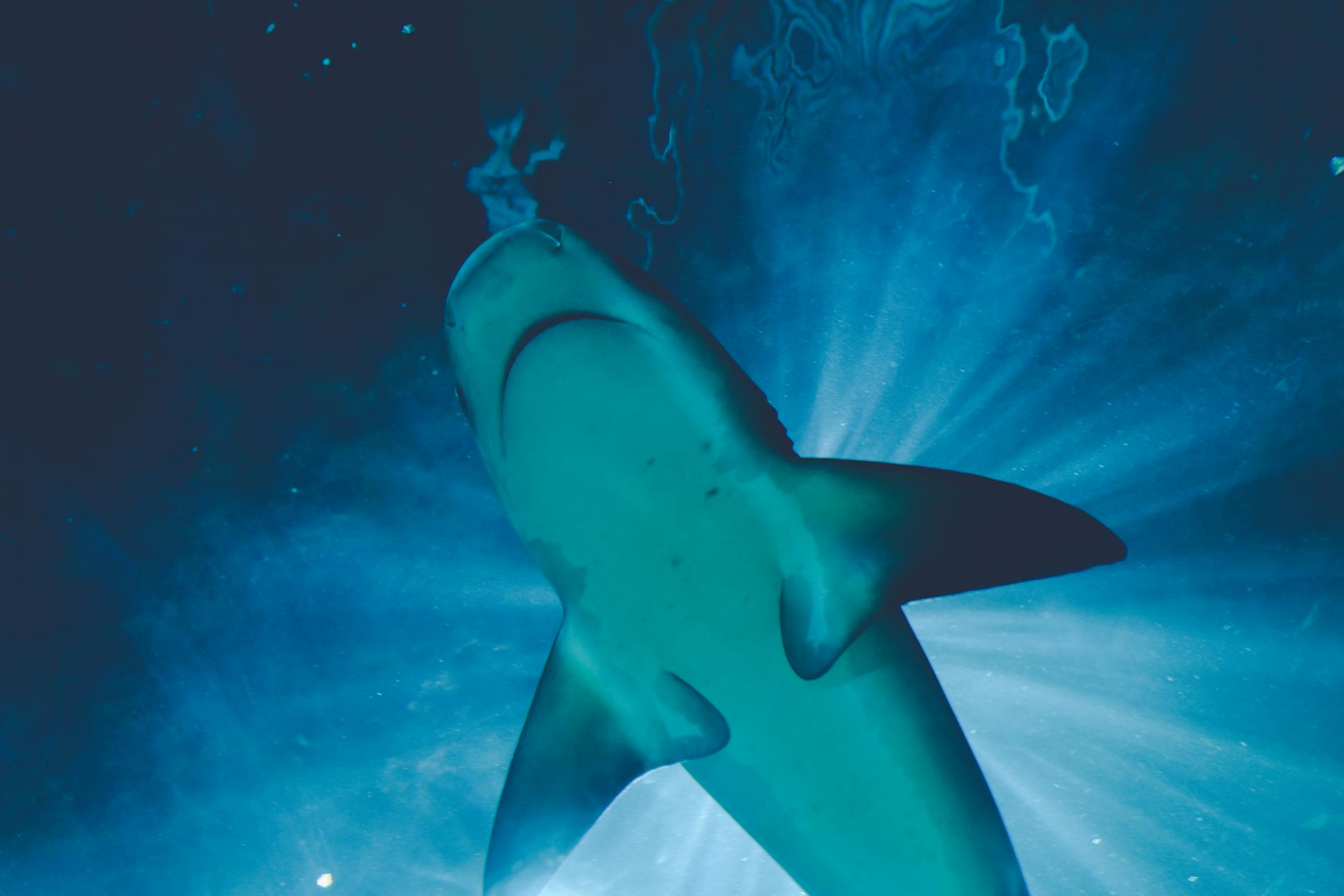
A shortfin mako shark launched itself clean onto a fishing boat off New Zealand, and the whole thing was caught on camera. A 300-pound shark on the bow of your boat is an alarming sight, which is why the video went round the world. It is also a good illustration of what makes the mako the best athlete in the ocean.
What happened off Whitianga
The incident took place on a charter boat off Whitianga, on the Coromandel Peninsula of New Zealand’s North Island, with five guests aboard. The group, led by captain Ryan Churches, had set out to catch kingfish. Instead, a mako shark took the bait.
Churches recognised the danger early and warned everyone to move clear in case the fish jumped. They watched the rod and line track toward the side of the boat, and then the mako leapt straight onto the deck, coming to rest at the bow with its jaws wide open. Makos have long, slender, exposed teeth and thrash violently, so Churches did not try to wrestle it off. He dropped the anchor slightly to change the boat’s angle, and the shark threw itself back through the bow rail and into the water. It had been on the boat for about two minutes. Churches estimated it at 8 to 9 feet long and over 300 pounds.
Meet the shortfin mako
The shortfin mako, Isurus oxyrinchus, is the fastest shark in the ocean, reliably credited with burst speeds of around 46 miles per hour and possibly more. It is built like a torpedo: a streamlined body, a crescent-shaped tail, and skin covered in tiny tooth-like scales called dermal denticles that reduce drag through the water.
The mako also belongs to a small group of sharks that are partially warm-blooded. Through a system of heat-exchanging blood vessels called the rete mirabile, it keeps its muscles, stomach and brain warmer than the surrounding sea. Warm muscle contracts faster and more powerfully, which is the engine behind the mako’s speed and its leaping.
Why a mako jumps
Makos are renowned for breaching, hurling their entire bodies out of the water. In the wild they do it while hunting fast prey such as tuna. When a mako is hooked on a fishing line, that same explosive leaping instinct kicks in as the animal fights to escape, and a hooked mako will often jump repeatedly, sometimes to heights of 6 metres or more.
So the Whitianga shark almost certainly did not attack the boat. It was a hooked, panicking mako using its natural escape behaviour, and the boat happened to be where it landed. The encounter was a fishing accident, not aggression, and a reminder of why hooking such a powerful animal is risky for everyone involved.
An endangered ocean athlete
For all its power, the shortfin mako is in serious trouble. The IUCN reclassified the species as Endangered in 2019, citing steep population declines. Makos are caught in huge numbers, both deliberately for their meat and fins and accidentally as bycatch in fisheries targeting tuna and swordfish. They are also slow to recover: makos grow slowly, mature late and produce relatively few young, so heavy fishing pressure outpaces their ability to replace lost individuals.
In recent years, international fishery bodies in the Atlantic have introduced retention bans aimed at giving mako populations a chance to recover. Climate change and ocean pollution add further pressure. The mako that ended up on Ryan Churches’s boat belongs to a species that needs far more protection than it currently gets.
Mako encounters with people are rare
Despite its speed and its teeth, the shortfin mako very rarely bites humans. The International Shark Attack File records only a small number of mako-related incidents over its entire history, and almost all of those involve provoked situations, typically a hooked or speared shark, exactly like the Whitianga case. Makos live in the open ocean rather than along busy swimming beaches, so the species does not cross paths with bathers and surfers the way coastal sharks do. A free-swimming mako has no interest in a person. The danger in this story came from a fishing line.
What to do if it happens to you
If you fish in mako waters, a leaping shark is a real hazard. The sensible response mirrors what the Whitianga captain did: warn everyone to move clear of the rail well before the fight reaches the boat, never try to physically handle a thrashing mako, and give the animal room and an angle to free itself rather than cornering it. The best outcome is the one that happened here, with the shark back in the water and nobody hurt.
For a fuller look at the species, see our mako shark profile, and our guide on how to avoid a shark attack puts the real risks in perspective.
Got a shark photo of your own? Send it to us and we may post it here and on our Facebook page, with your name on it. Share your shark photo