
City of Fremantle Shark Fishing Ban
3 min read
Last Updated on July 27, 2026 by
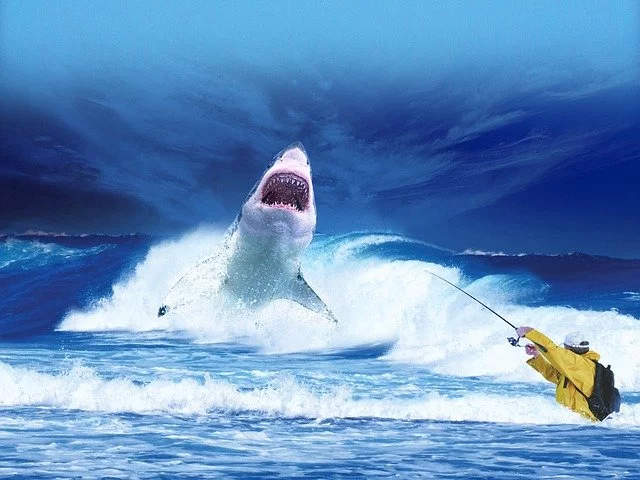
The City of Fremantle in Western Australia banned shark fishing from its main swimming beaches, a decision driven by the death of a swimmer and by years of frustration with anglers luring sharks close to where people swim. The ban covers Port, Leighton, Bathers, and South beaches.
Bait, Blood, and Beaches
Along Fremantle’s popular beaches, two things were rising at once: shark numbers and shark fishing. The conflict between them is straightforward. Anglers targeting sharks set baited lines close to shore, often deliberately, to lure and kill large sharks. The bait and the blood from a hooked or killed shark then draw still more sharks into the same water, creating a cycle that concentrates predators exactly where families are trying to swim.
Shark fishing from a swimming beach changes the water itself, turning a recreational beach into something closer to a bait station.
The Death That Forced Action
In November 2021, swimmer Paul Millachip was killed in a fatal shark encounter at Port Beach. Witnesses watched him disappear, with only his goggles recovered afterwards. The loss was devastating for his family. His wife, who with her husband had previously run and swum at the beach several times a week, has since returned to the water only a handful of times.
Mrs Millachip became one of many local voices calling for change. What she objected to was specific: anglers deliberately enticing and killing sharks in the same water where people swim. Her hope for the ban was that it would let people and sharks share the coast in better harmony, rather than have one activity put the other at risk.
What the Ban Prohibits
The response came on two levels. The Western Australian state government acted on equipment, banning the wire traces that shark anglers rely on. A wire trace is the steel leader that stops a shark’s teeth cutting through ordinary fishing line, so removing it makes deliberately landing a large shark far harder. Anyone caught using banned gear faces a fine of around 1,000 dollars and confiscation of their equipment. Spear guns, blood-based lures, metal wires, and chain rigs are all prohibited under the relevant rules.
The City of Fremantle went further with a local ban on shark fishing itself across its swimming beaches. The state Fisheries Minister, Don Punch, was openly critical of the practice of luring and killing tiger sharks close to shore, noting that it directly endangered people. The reasoning behind the council’s stricter approach was that a gear ban helps but anglers can find workarounds, so a full ban on shark fishing at the beaches was the more durable fix.
Which Beaches Are Covered
The shark fishing ban applies to a defined stretch of the Perth metropolitan coast.
- City of Fremantle: the core of the ban, covering Port Beach, Leighton Beach, Bathers Beach, and South Beach.
- City of Cockburn and the Town of Cottesloe: the wider ban area extends across these neighbouring local government zones.
If you are visiting or holidaying along this part of the Western Australian coast, those are the areas where shark fishing is off limits. The response from local swimmers was immediate. Ian Brown, a member of the Port Beach Polar Bear group, whose members swim there every morning, said he was ecstatic about the ban and that swimmers felt safer already.
Why a Fishing Ban Helps Sharks Too
The ban is also good news for sharks. Tiger sharks, Galeocerdo cuvier, were among the species being targeted, and they are listed as Near Threatened on the IUCN Red List. Globally, 80 to 100 million sharks are killed by people every year, about 25 million of them threatened species, and recreational shark fishing adds to that toll. Removing baited shark fishing from these beaches means fewer sharks deliberately lured and killed.
The bait and blood cycle endangered people and killed sharks, so ending it protected both.
Spotting a Baited Line at Your Beach
For swimmers anywhere, the Fremantle story carries a practical lesson: it pays to notice what is happening on the shore before you get in. A few signs suggest shark fishing may be drawing predators close.
- Heavy rods set in holders and left unattended, often with thick line, point to large-game fishing rather than casual angling.
- Visible bait buckets, berley, or blood being used near the waterline.
- Anglers fishing directly from or beside a recognised swimming beach.
If you see these and you are unsure, swim well away from that stretch of water, or choose a patrolled, fishing-free section of beach instead. Where local rules ban the practice, reporting it to lifeguards or rangers helps keep the ban meaningful.
A Model for Other Coastlines
The Fremantle ban is worth remembering as a measured response to a real tragedy. It did not call for culling sharks or netting beaches, approaches that kill large numbers of marine animals indiscriminately. It targeted the specific human behaviour that was creating the danger. Changing what people do rather than removing the wildlife is the modern direction of shark management. To understand one of the species at the centre of this story, read our profile of the tiger shark.
Got a shark photo of your own? Send it to us and we may post it here and on our Facebook page, with your name on it. Share your shark photo


My brother fishes off the rocks near Perth and even he thought baiting for sharks next to a swimming beach was asking for trouble. Who actually enforces it at night, rangers or Fisheries?