Shark Attack at Avoca Beach
3 min read
Last Updated on July 27, 2026 by

A teenage surfer was bitten on the forearm by a white shark at Avoca Beach in New South Wales, Australia, in a brief early-morning encounter that closed two beaches. He was treated at hospital and discharged the same day.
What happened at Avoca Beach
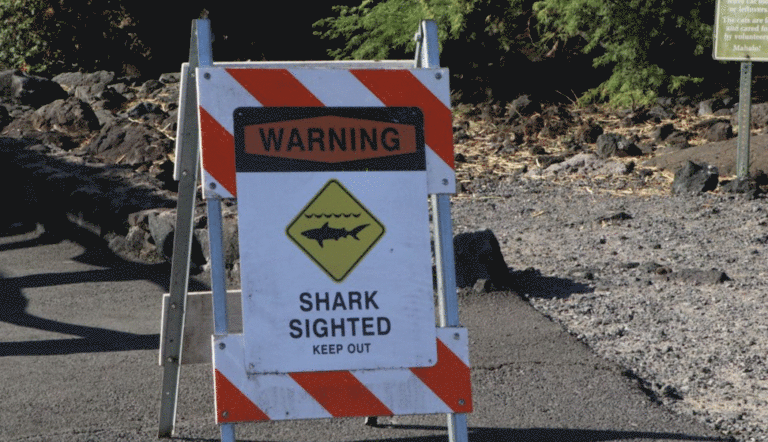
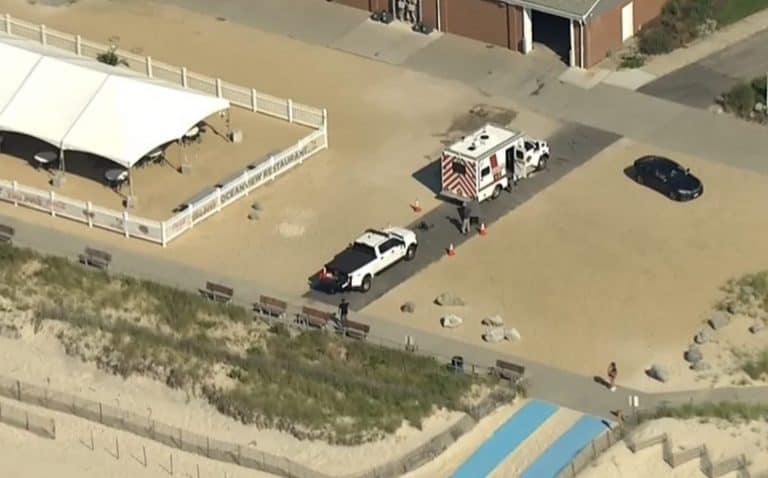
The bite happened on a Wednesday morning at around 7 am. An unidentified teenage surfer sustained a wound to his right lower forearm, according to the Central Coast Council. Notably, the boy first went home before paramedics were called, and was then taken to Gosford Hospital. His injuries were not severe: he was treated and discharged by midday. Avoca Beach and neighbouring North Avoca Beach were closed shortly after the incident, and a drone was deployed to scan the water for the shark.
Shark biologists from the New South Wales Department of Primary Industries examined both the teenager’s injuries and his surfboard, a standard part of bite investigations, and concluded that the animal responsible was a white shark, also known as the great white.
Where Avoca Beach is
Avoca Beach lies on the Central Coast of New South Wales, the stretch of coastline between Sydney and Newcastle. It is a popular surfing beach backed by a small coastal town, and like much of the Australian east coast it faces open ocean. White sharks are known to patrol these waters, particularly in the cooler months and around dawn and dusk, so an encounter, while uncommon, is part of the natural picture along this coast. The Central Coast’s beaches are heavily used by surfers and swimmers, which is why even a minor bite triggers an immediate, organised response.
How New South Wales manages sharks
New South Wales runs one of the most active shark-management programmes in the world, overseen by its Department of Primary Industries. The toolkit includes drone surveillance flown over popular beaches, tagged-shark listening stations that send alerts when a tagged animal swims past, and so-called SMART drumlines designed to catch and relocate sharks rather than kill them. The drone sent up at Avoca was part of this system. The aim is to give beachgoers timely warnings and reduce risk without simply culling sharks, which is both ecologically damaging and increasingly unpopular.
Putting the year in context
At the time of this incident, New South Wales had recorded eleven shark bites for the year, and only one of them had been fatal. That fatal case was the death of Simon Nellist, a 35-year-old British dive instructor, at Little Bay Beach on 16 February, covered in our report on the deadly Sydney shark attack. Across an entire year and a long, busy coastline, the overwhelming majority of bites were non-fatal, often minor, like the Avoca case. Globally, the International Shark Attack File, run by the Florida Museum of Natural History, typically records fewer than 70 unprovoked bites worldwide in a year.
Why white sharks bite surfers
White sharks do not hunt humans. Their natural prey is fish, seals and sea lions. The leading explanation for surfer bites is mistaken identity: from below, a surfer lying on a board, arms paddling, can resemble the silhouette of a seal at the surface. A white shark often delivers a single exploratory bite, recognises that the object is not its usual prey, and lets go. That is consistent with the Avoca surfer’s single forearm wound and rapid release.
What to do if you see a shark
If you ever spot a shark while swimming or surfing, the worst thing you can do is panic and thrash. Stay as calm as you can and keep the animal in sight rather than turning your back on it. Move steadily and smoothly toward the shore or your board, avoiding the splashing, jerky movements that mimic distressed prey. Get out of the water without delay, and alert the lifeguards and other people in the water so a closure can be called. Surfers can keep their board between themselves and the shark as a barrier. Most sharks that pass close to people show no interest at all and simply move on.
How to lower your risk
The Avoca incident is a reminder that simple habits genuinely help. Do not swim or surf alone, and stay where there are other people and, ideally, lifeguards. Avoid the water at dawn and dusk, when many sharks feed and the low light makes them harder to see and easier to surprise. Keep clear of river mouths, baitfish schools and seal colonies. Try not to splash excessively, since erratic splashing mimics the movements of a struggling fish, exactly the cue a shark is tuned to detect. And follow beach closures and drone or signage warnings; they exist because someone has just seen a reason for them.
For the wider picture on how shark bites are recorded, why they happen and how rare they really are, read our full Shark Attacks Guide.
Part of our guide: Shark Attacks Guide.
Got a shark photo of your own? Send it to us and we may post it here and on our Facebook page, with your name on it. Share your shark photo