
Two Deadly Shark Attacks in Egypt
3 min read
Last Updated on November 24, 2026 by
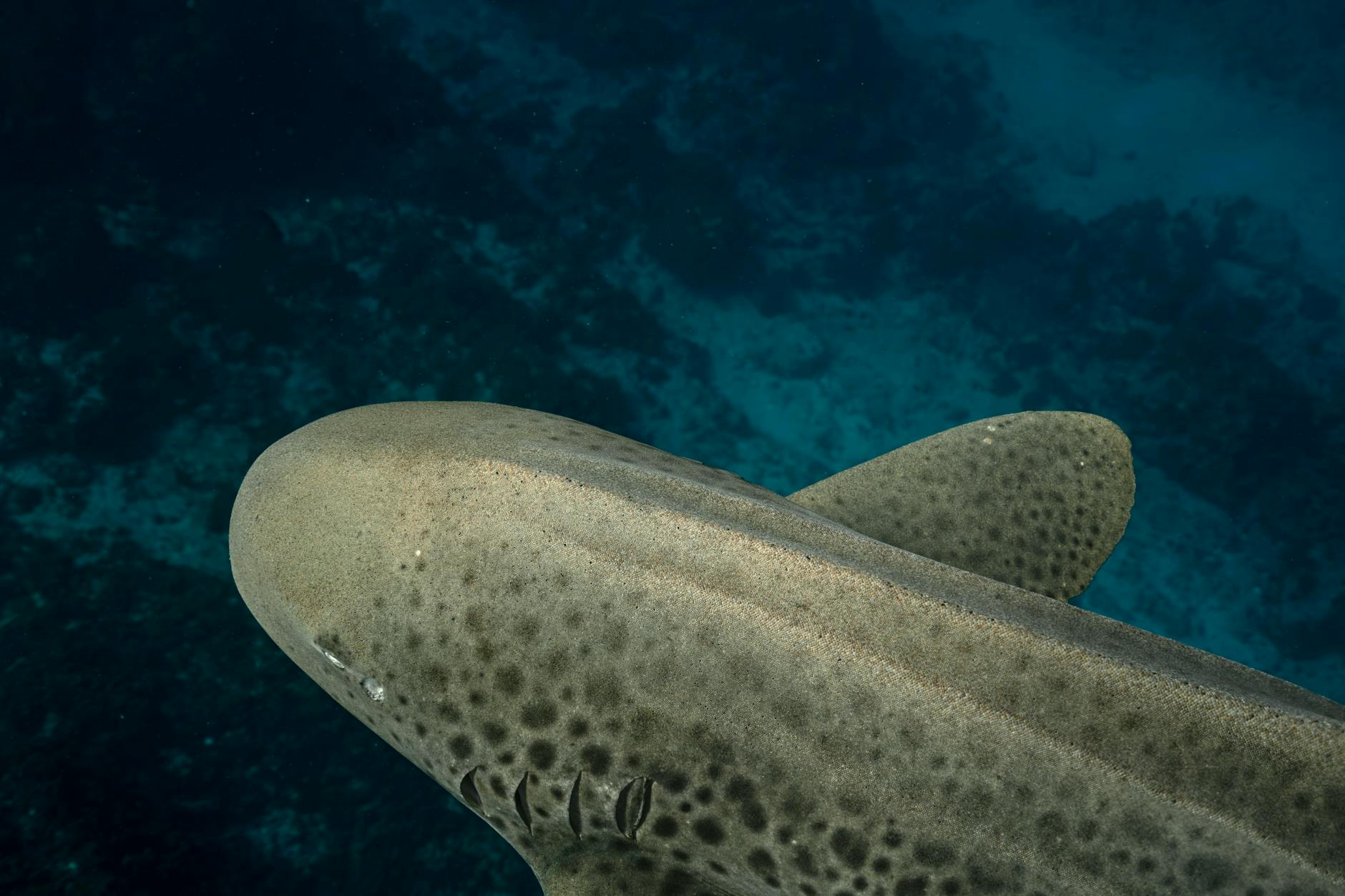
Two women were killed by a shark in separate attacks off Egypt’s Red Sea coast on Friday 1 July 2022, just hours apart and only about 600 metres from one another. The attacks happened near the resort of Sahl Hasheesh, south of Hurghada. They were the deadliest shark incidents Egypt had seen in years, and they prompted an immediate scientific investigation into a stretch of coast that is normally very safe.
What happened at Sahl Hasheesh
The first victim was Elisabeth Sauer, 68, who had been spending an extended stay in Egypt with her Egyptian partner. She was snorkelling close to shore when the shark struck, severing her forearm and a leg. Witnesses on a nearby bridge watched in horror and tried to help by throwing a flotation device, but the wounds were catastrophic. Tourists later said there had not been enough lifeguards on duty to reach her in time.
Hours later, and roughly 600 metres away, a second woman, a 40-year-old Romanian tourist, was also killed while snorkelling. Her body was recovered shortly afterward. Because the two attacks happened so close together in time and place, investigators considered it likely that the same shark was responsible for both.
Which shark was it
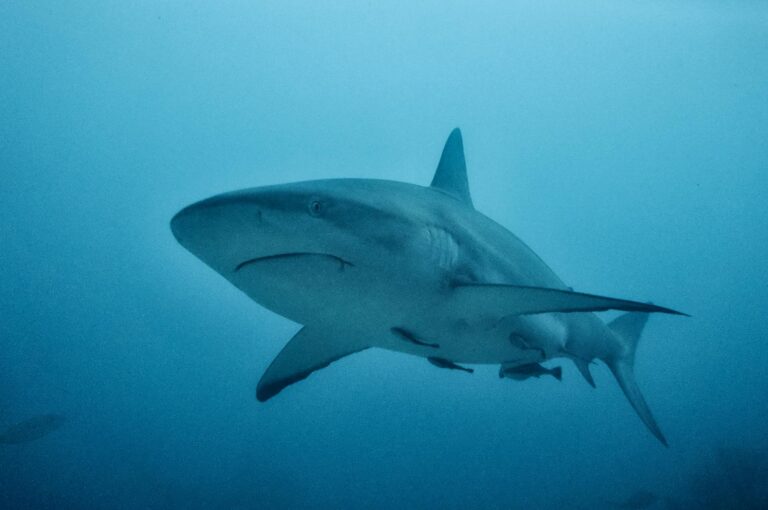
The species was a point of confusion in the early reporting. Initial statements, including from Egypt’s diving and watersports authorities, described the animal as a mako shark. However, a later assessment by the Hurghada Environmental Protection and Conservation Association concluded that the attacks were the work of a female tiger shark.
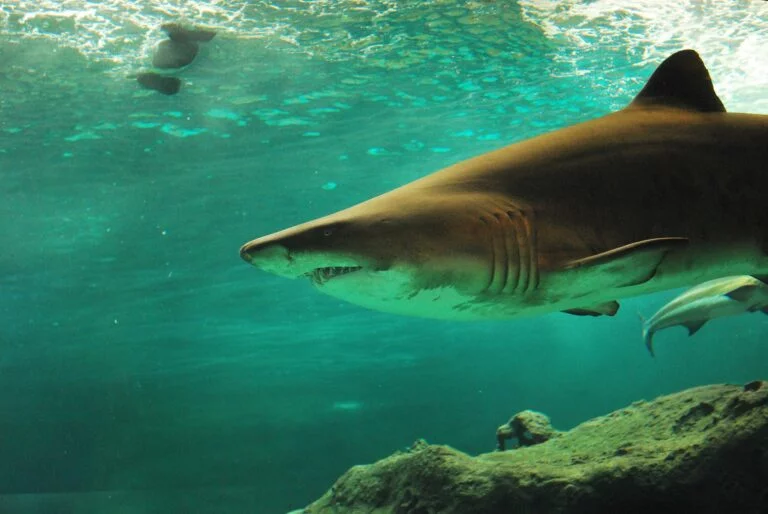
That distinction matters. The mako is a fast, open-ocean predator that rarely interacts with swimmers. The tiger shark, Galeocerdo cuvier, is a large coastal species, reaching well over 4 metres, and it is known for an extremely broad and indiscriminate diet. Tiger sharks are present in the Red Sea, and a tiger shark coming close to a snorkelling beach is a more plausible explanation for two attacks in shallow water. The Egyptian Ministry of Environment apologised to the victims’ families and assembled a team of specialists to look for a scientific reason behind the unusual events.
Why these attacks were so unusual
The Red Sea is one of the world’s premier diving and snorkelling destinations, and fatal shark attacks there are genuinely rare. Egypt had recorded only a small number of incidents in the years before 2022; in 2020, for example, there were two non-fatal attacks, one involving a 12-year-old who lost an arm and another a snorkelling tour guide.
Scientists studying the 2022 attacks looked at several possible contributing factors that can draw large sharks closer to shore:
- Overfishing of a shark’s natural prey can push it to investigate unfamiliar food sources.
- The dumping of animal carcasses or food waste from boats and shore can attract and condition sharks to associate humans with food.
- Warming sea temperatures can shift the distribution of both sharks and their prey.
- Heavy tourist activity in a concentrated area increases the simple statistical chance of an encounter.
No single cause was ever confirmed, but the combination of these pressures is the kind of thing marine biologists watch closely at busy resort coastlines.
The response and the wider picture
After the attacks, local authorities suspended all water activities in the area for three days, and the beaches around Sahl Hasheesh were closed before reopening in stages, first to certified divers and later to swimmers and snorkellers.
It is important to set tragedies like this against the global picture. According to the International Shark Attack File, kept by the Florida Museum of Natural History, there are usually fewer than 10 fatal unprovoked shark bites worldwide in a typical year. The two Egyptian deaths were a rare and devastating cluster, not a sign that Red Sea snorkelling is broadly dangerous. Far more people are harmed every year by road accidents, drowning, and heat than by sharks.
Staying safe in shark waters
Snorkelling in the Red Sea remains safe for the vast majority of visitors, and a few sensible habits keep it that way:
- Swim and snorkel close to shore, within designated and supervised areas.
- Make sure lifeguards are actually on duty before entering the water.
- Avoid areas where boats discharge food waste, and never enter water where bait or carcasses are present.
- Consider a magnetic or electronic shark deterrent such as Sharkbanz if you swim regularly in shark habitat.
- Heed beach closures and official advisories without exception.
The Sahl Hasheesh attacks were a rare and terrible event, and the science-led response was the right one. Egypt’s tourism industry depends heavily on the Red Sea, and the authorities have a strong incentive to understand what went wrong rather than simply cull sharks, which conservationists widely agree does not make beaches measurably safer and harms the marine ecosystem the diving industry relies on. For more on lowering your risk, read our guide on how to avoid a shark attack, and our mako shark profile explains the species first blamed for these incidents.
Part of our guide: Shark Attacks Guide.
Got a shark photo of your own? Send it to us and we may post it here and on our Facebook page, with your name on it. Share your shark photo


So we need life guards WHERE ??
So we need to swim close to shore WHERE???
Why not say where this happened ????
This happened in Egypt.