
Fatal Shark Attack in the Bahamas
4 min read
Last Updated on July 27, 2026 by Otis Mako
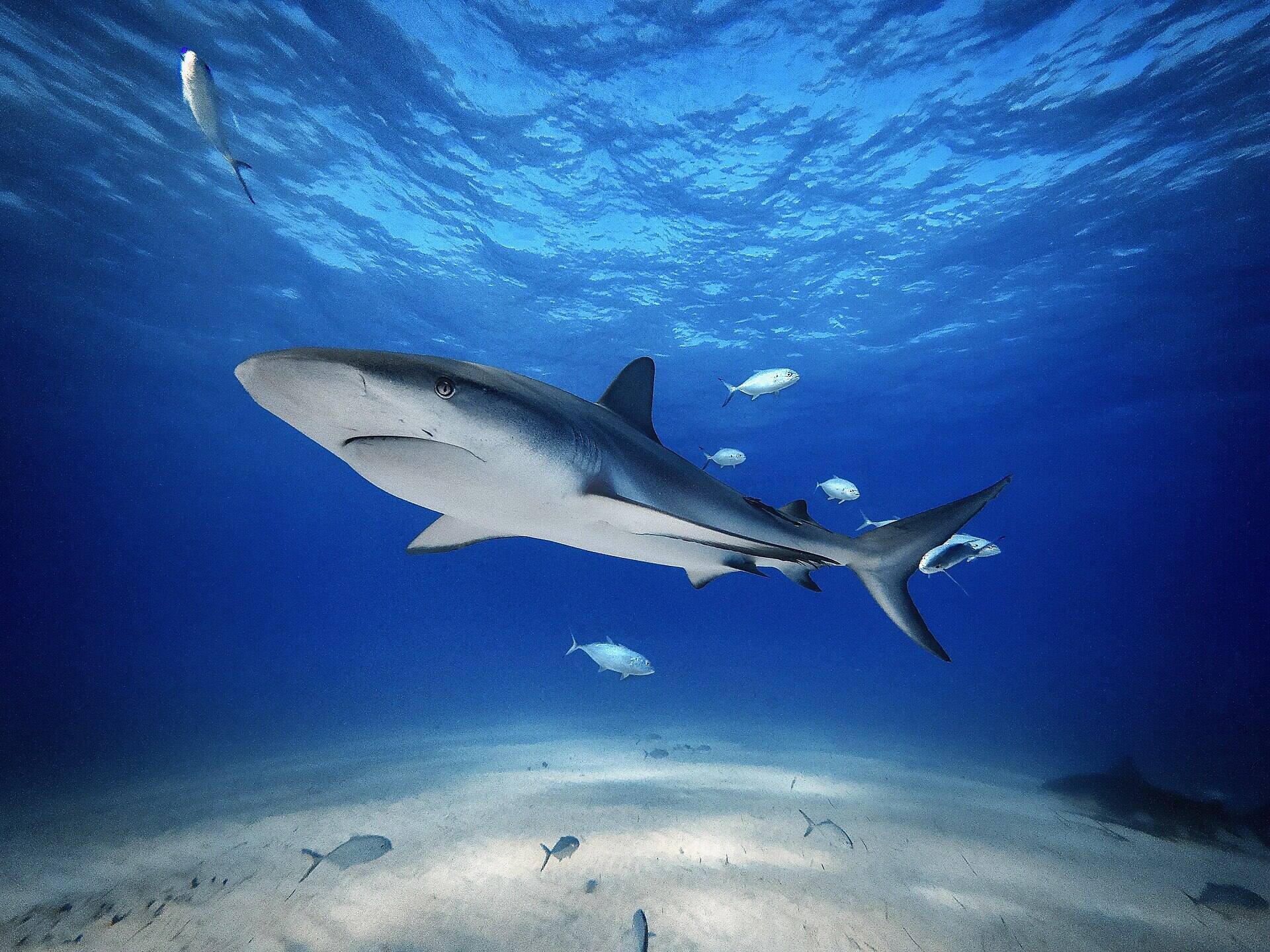
Lauren Erickson Van Wart, a 44-year-old math editor from Boston, died in a shark attack while paddleboarding about three-quarters of a mile off a resort in the Bahamas. It was a rare and devastating event, and it deserves to be treated first as a human tragedy.
What Happened
The incident occurred on a Monday. Van Wart and a male relative were paddleboarding near the Sandals Royal Bahamian resort, around three-quarters of a mile from shore, when a shark attacked and pulled her into the water. According to police, she sustained serious injuries to her upper hip region and her right upper limb.
A lifeguard on duty saw what happened and took a boat out to reach the two paddleboarders. CPR was administered, but the injuries were too severe, and Van Wart did not survive. Emergency responders confirmed she showed no signs of life when they arrived. Her relative was unharmed.
Remembering Lauren Erickson Van Wart
Van Wart worked as a math editor for the education company Curriculum Associates. The company’s chief executive, Rob Waldron, described a team heartbroken at losing a dear and trusted colleague and friend, and extended the company’s support to her husband and family. The Sandals resort also expressed heartfelt condolences and said it remained in close contact with the family. The species of shark involved was never confirmed.
Sharks in the Bahamas
The Bahamas is one of the great shark destinations of the world, home to somewhere between 30 and 40 shark species. That richness is no accident. In 2011 the Bahamas declared its entire 630,000-square-kilometre exclusive economic zone a shark sanctuary, banning commercial shark fishing throughout its waters. The result is a healthy, abundant shark population that draws divers from around the globe to sites like Tiger Beach.
Species commonly seen in Bahamian waters include the Caribbean reef shark, the nurse shark, the lemon shark, the great hammerhead, and the tiger shark. The vast majority of encounters between these sharks and the hundreds of thousands of people who dive and swim there each year are completely uneventful. A healthy shark population and safe tourism coexist across the islands every day, which is why a fatal incident is so rare and so shocking.
Why Distance From Shore Matters
Van Wart was about three-quarters of a mile from the beach when the shark reached her. Distance from shore recurs in serious shark incidents: in other tragedies covered on this site, victims have been hundreds of yards out. It matters for two reasons.
- Rescue takes longer. The further from shore an incident happens, the more time passes before help and first aid can arrive, and with a serious bleeding injury, minutes are decisive.
- Open water holds larger sharks. Deeper water away from the beach is the domain of the bigger, wider-ranging species, rather than the smaller sharks that frequent the shallows.
That is a practical argument for staying within a reasonable distance of shore, especially on a paddleboard far from any lifeguard.
Paddleboarding Safely
Stand-up paddleboarding is a low-risk way to enjoy the water, and a single tragedy should not stop anyone from doing it. A few sensible habits keep it that way.
- Stay within an easy return distance of shore. Resist the pull of open water, particularly if you would struggle to get back quickly.
- Go with others. A companion can call for help, assist a rescue, and get a boat or lifeguard’s attention fast.
- Wear a leash and a flotation aid. Staying attached to your board keeps a large floating object beneath you and makes you easier to spot.
- Avoid dawn, dusk, and murky water, when sharks feed actively and visibility is poor.
- Steer clear of baitfish schools, diving birds, and fishing activity, all of which concentrate sharks.
The Bahamas Shark Sanctuary and Why It Works
The Bahamas has so many sharks because of a deliberate decision. For decades, longline fishing for sharks was largely absent from Bahamian waters, and in 2011 the government made that protection permanent by declaring the whole national zone a shark sanctuary. Commercial shark fishing and the sale of shark products were banned outright.
The economics did the arguing. Shark-diving tourism is worth far more to the Bahamian economy alive than a one-off catch would ever be worth dead. A single living reef shark, returning to the same sites year after year for divers to photograph, generates income over its entire lifetime. That model, where sharks are an economic asset precisely because they are protected, has helped keep Bahamian shark populations among the healthiest in the Atlantic.
Keeping Rare Tragedies in Proportion
A fatal shark attack is genuinely rare. Worldwide, only a small number of bites prove fatal each year, set against the hundreds of millions of people who enter the ocean. The death of Lauren Erickson Van Wart, and a separate tragedy reported around the same time in Mexico, were terrible events, and they should be remembered as the loss of real people first.
They do not change the underlying picture. Sharks are not hunters of humans; we are not part of their diet, and serious incidents are usually mistaken-identity events in conditions that obscure a shark’s already imperfect vision. The Bahamas remains one of the safest and most rewarding places in the world to see sharks responsibly. Stay near shore, go with others, and treat the ocean as a wild place. For more on why bites happen and how to stay safe, read our shark attacks guide.
Part of our guide: Shark Attacks Guide.
Got a shark photo of your own? Send it to us and we may post it here and on our Facebook page, with your name on it. Share your shark photo


Do resorts there set any limit on how far guests can paddle out? Three-quarters of a mile is much further than I’d have guessed anyone would go on a board.