
Does The Megalodon Shark Still Exist?
2 min read
Last Updated on July 27, 2026 by Otis Mako
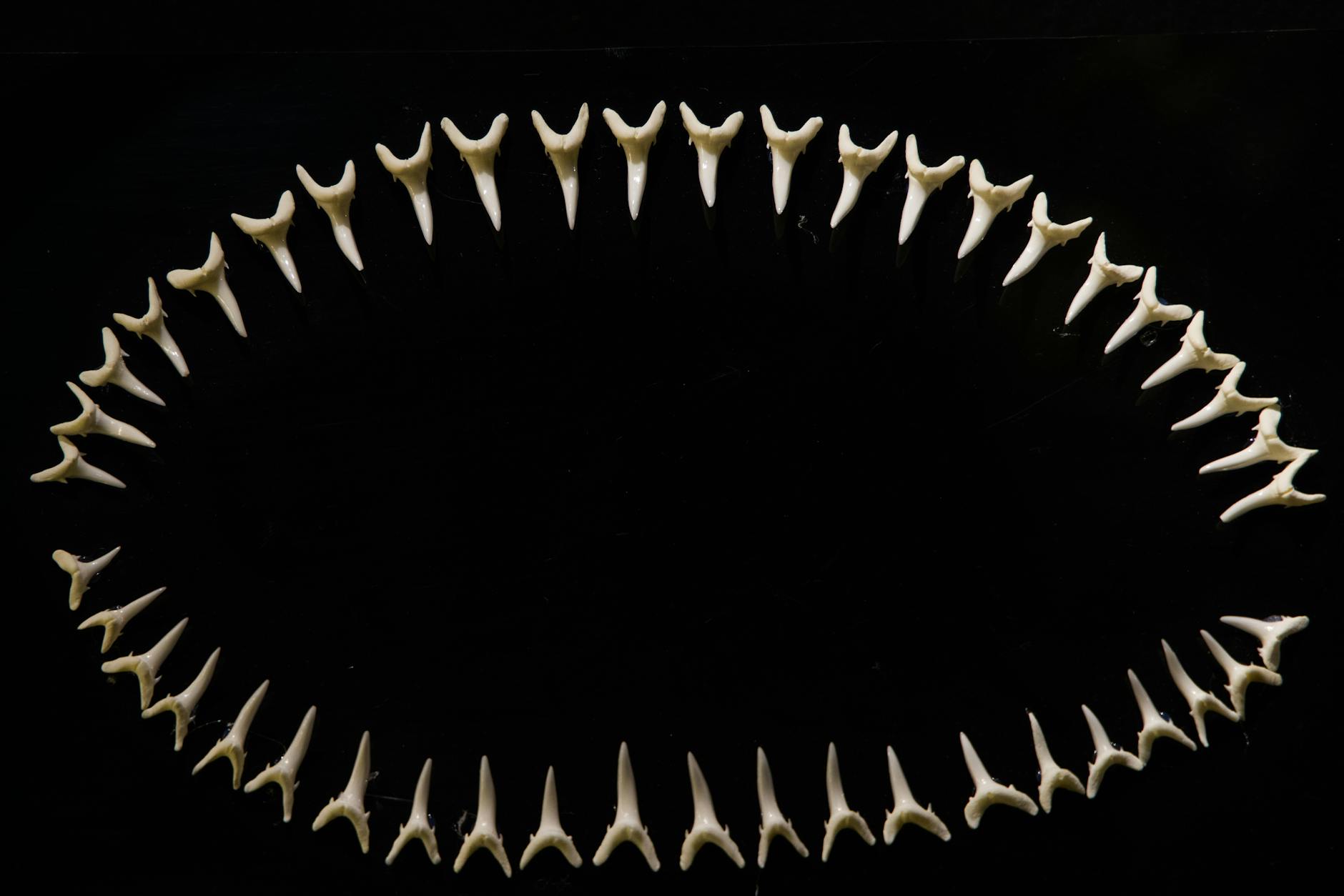

The Megalodon shark was the stuff of nightmares. This was a shark that could rip large sea animals apart effortlessly, with teeth that earned it the name “big tooth”.
Most of the deep sea is still unexplored, and that unexplored water is what keeps the question alive. Could the Megalodon shark still be swimming down there?
What Was The Megalodon Shark?
The Megalodon shark (meaning “big tooth”) lived from about 23 to 3.6 million years ago, from the Early Miocene to the Early Pliocene. It was roughly two to three times the length of a great white.
Most estimates put it at 13 to 17 metres (43 to 56 feet) long, and the largest run to around 24 metres (80 feet). The teeth are what people notice first. For centuries the fossilised ones were taken for dragon tongues, and they averaged 11 to 17 cm (4 to 6.7 in.) depending on the shark’s body size.
Body mass estimates, scaled from those lengths, run between 59 and 103 metric tons (59,000 to 103,000 kg).
Diet And Hunting Pattern
Its diet would have been whales and other large sea animals: sea cows, dolphins, giant sea lions and the like.
Research on fossilised whale bones has turned up bite marks matching the size of Megalodon’s almost 7-inch teeth. In the late 1900s the paleontologist Dr. Bretton Kent examined the remains of a 30-foot-long prehistoric baleen whale that had been attacked by a Megalodon. His findings showed the animal was far more aggressive in its attack style than the great white.
A great white hits its victim from below and backs off while the prey bleeds out. Megalodon did not wait. Its jaws were huge and packed with thick teeth, and modelling puts its bite force between 24,400 and 41,000 pounds, the highest calculated for any animal. By clamping down on the bony parts of its prey, the shoulders, upper spine, rib cage and front flippers, it crushed its victims outright.
Fossil evidence points to other techniques too, from ripping or biting off fins to immobilise prey, to grabbing small whales from below.
Habitat And Distribution
Its teeth have been found all over the world and still turn up regularly: Australia and New Zealand, England, Denmark, Japan, India, Croatia, and a local river in Suffolk, Virginia. Megalodon was a global shark, and it favoured warmer coastal waters. One of the leading explanations for its extinction is that it could not adapt as those waters cooled.
Is It Actually Extinct?
Yes. The species is extinct, and has been for about 3.6 million years.
Some people have gone out of their way to produce evidence that the shark still roams deep water, but no documentary has ever provided a single piece of proof. The footage used in those documentaries has been shown to be fake again and again. One image in particular, the fins of a huge shark next to a submarine, was taken from a fictional Discovery Channel documentary.
It would also be a hard animal to hide. The large prey it fed on millions of years ago is extinct too, and a 20-metre predator cannot live on small fish.
The scientific literature dates the extinction to the Early Pliocene, based on the age of the youngest teeth that can be reliably dated.
Got a shark photo of your own? Send it to us and we may post it here and on our Facebook page, with your name on it. Share your shark photo


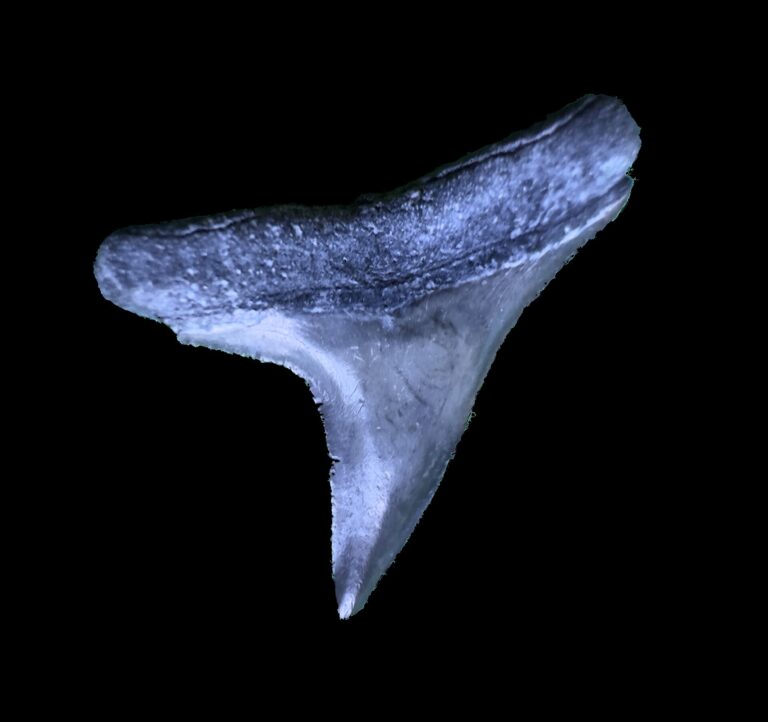
I read a book quite a few years ago called “Great Australian Shark Attacks, in the book there was found a sharks tooth which measured 5” across the base and was found lying on the sea bed of the Great Australian Bight, and it was supposed to have come from a shark measuring 90 feet …a Megalodon ??
Wasn’t the prehistoric sperm whale the Meg’s natural enemy?