Shark Migration Patterns: What OCEARCH Has Taught Us
OCEARCH’s 400+ satellite tags have rewritten shark biology in 15 years: cross-ocean migrations, river-bound bulls, and the white shark cafe.

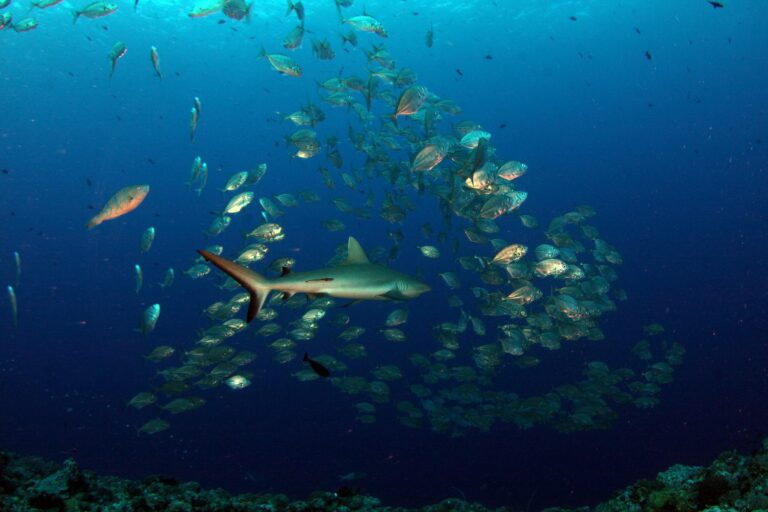
OCEARCH’s 400+ satellite tags have rewritten shark biology in 15 years: cross-ocean migrations, river-bound bulls, and the white shark cafe.

Sharks reproduce four ways: egg-laying, eggs-hatch-inside, true live birth via placenta, and parthenogenesis. Each strategy shapes fishing recovery.
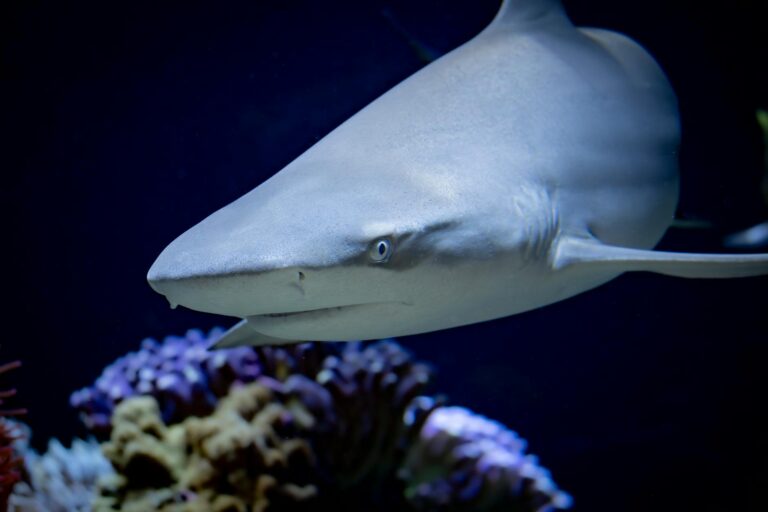
Sharks have six senses, not five: smell and hearing for long range, vision and lateral line for mid range, taste and electroreception at the strike.
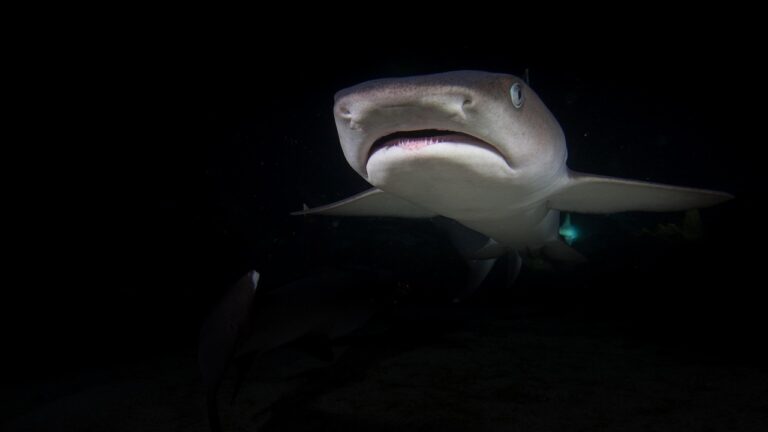
Macquarie University researchers towed seal-shaped decoys off Mossel Bay and found horizontal LED strips on the underside stopped great whites striking. How the trick works on shark vision.

Brazilian scientists tested 13 wild sharks for cocaine: all 13 came back positive, alongside PCBs and PFAS forever chemicals in the same tissue samples.

Zinc isotope analysis of fossil teeth suggests megalodons starved out competing with early great whites for the same prey, ending a 23 million year reign.

Shark tagging is the practice of attaching small electronic or non-electronic markers to wild sharks so researchers can track movement, depth, temperature, and survival.

The four ways sharks reproduce: live birth (70 percent of species), egg-laying, ovoviviparity, and parthenogenesis (virgin birth, in a few species).
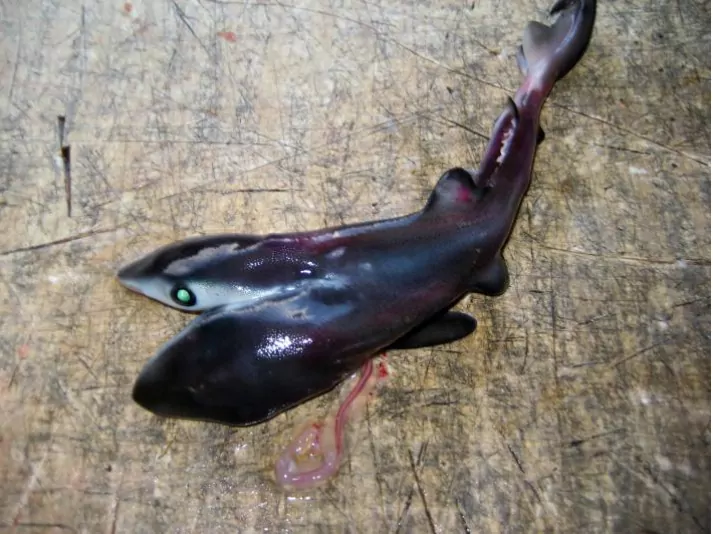
Two-headed shark fetuses started turning up in 2008 and the count keeps rising; overfishing, pollution, and genetic mutation are the leading suspects.
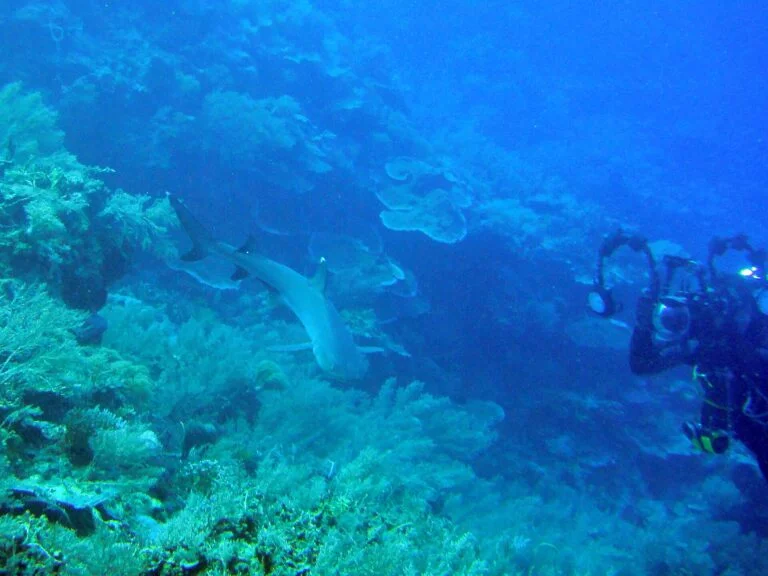
Shark deterrents are a real and useful product category, but the market is full of gimmicks alongside legitimate science.
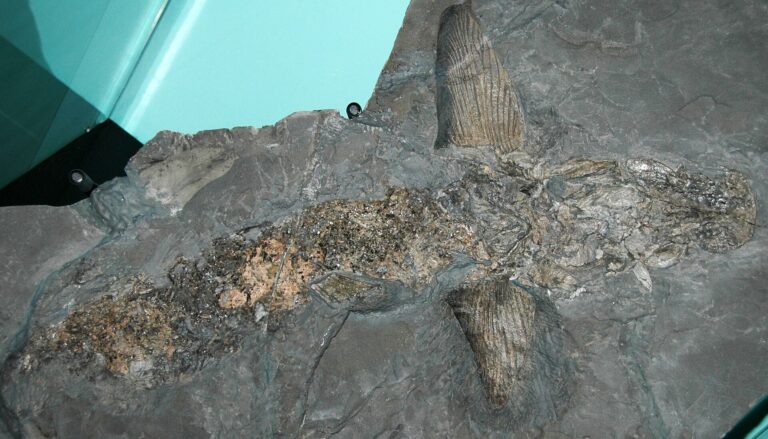
Sharks have been in the oceans for around 450 million years, from the earliest shark-like scales to the buzzsaw jaws of Helicoprion and the rise and fall of megalodon.

Research on juvenile lemon sharks and Port Jackson sharks found individual personalities: some shy and social, others bold novelty-seekers.
We send one careful shark roundup per month. Conservation news, species profiles, the occasional reader question we could not resist answering.
We never share your email. One-click unsubscribe.