
Does Your Pet Food Contain Shark Meat?
3 min read
Last Updated on July 27, 2026 by
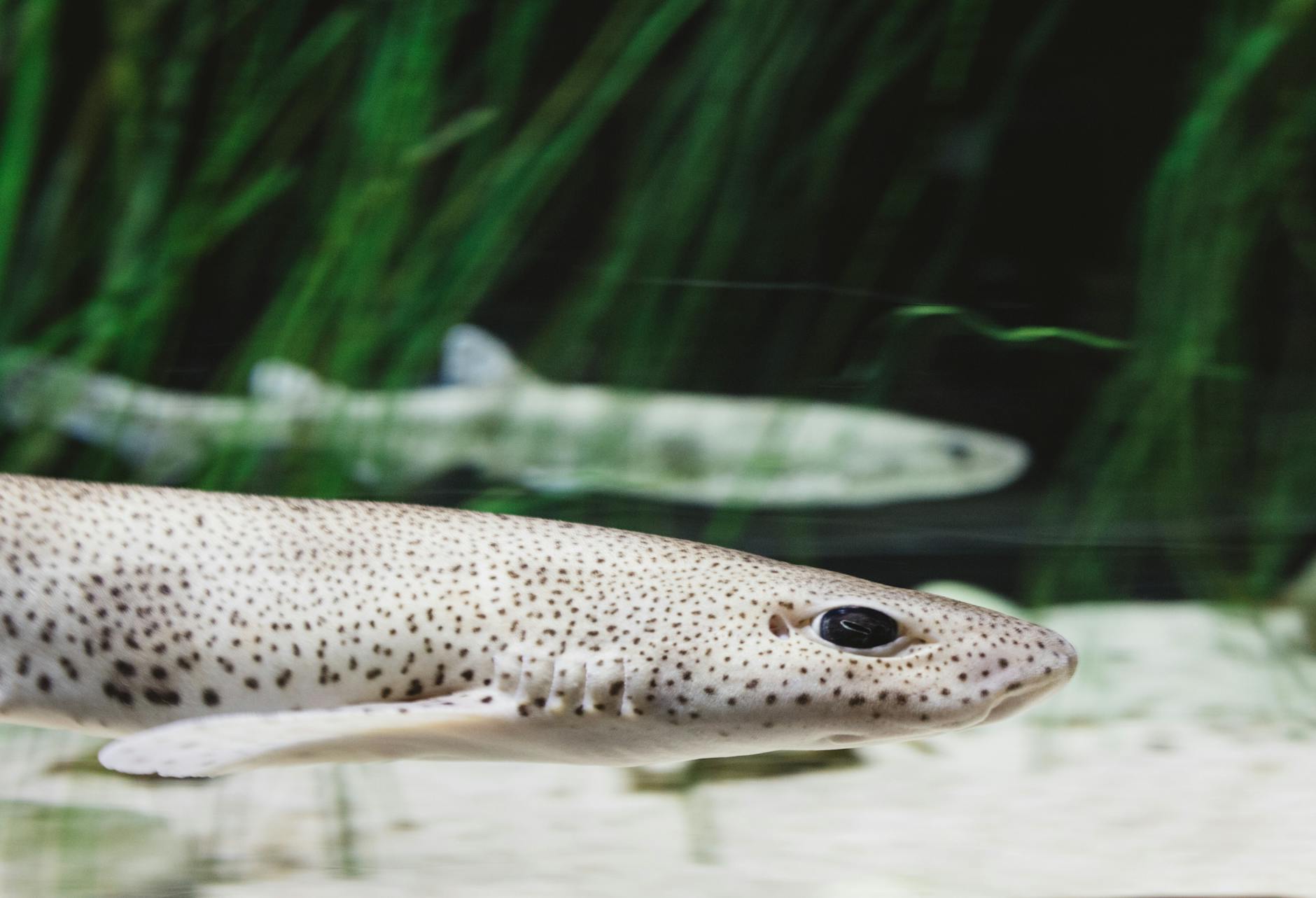
Your cat’s dinner may contain shark, and the label will not tell you. A study of cat food sold in Singapore found that roughly a third of samples contained shark DNA, even though not one product listed shark as an ingredient.
The study that found shark in cat food
The research was carried out by conservation scientists Ben Wainwright and Ian French. They collected 144 samples across 16 brands of cat food, products manufactured in Thailand and sold in Singapore, and analysed them in the laboratory. About 31 percent of the samples tested positive for shark meat, and none of the brands declared it. The shark content sat behind vague catch-all terms like “ocean fish,” “whitebait,” or “white fish.”
The brands involved included household names such as Fancy Feast, Whiskas, and Sheba. Those brands are sold worldwide, which is why a study run in Singapore matters well beyond it.

How DNA barcoding catches hidden ingredients
You cannot identify a processed fish flake by looking at it, which is the whole point of vague labelling. The researchers got around that with DNA barcoding. It works by extracting a short, standardised stretch of genetic code from a sample and comparing it against a reference library of known sequences. Every species has a slightly different barcode, so even minced, cooked, and canned meat can be traced back to the animal it came from. The same method is used to expose seafood fraud in restaurants and supermarkets around the world.
Which sharks ended up in the cans
Three species turned up in the samples:
- Blue shark (Prionace glauca). A slender, fast, open-ocean shark and one of the most heavily fished sharks on the planet. It is listed as Near Threatened on the IUCN Red List. You can read more in our blue shark species profile.
- Silky shark (Carcharhinus falciformis). Named for its smooth skin, this shark is listed as Vulnerable by the IUCN and is protected under Appendix II of CITES, the Convention on International Trade in Endangered Species.
- Whitetip reef shark (Triaenodon obesus). A small, reef-dwelling shark, currently listed as Vulnerable, whose shallow-water habits make it easy to catch.
A CITES Appendix II listing, like the silky shark’s, means a species is not yet facing extinction but could be pushed there by unmonitored trade. Finding such a species ground into unlabelled pet food suggests the monitoring is not working as it should.
Why this matters for sharks
Humans kill an estimated 80 to 100 million sharks every year, about 25 million of them threatened species, and a 2021 study in the journal Nature found that oceanic shark and ray populations had collapsed by around 71 percent since 1970. More than a third of all shark and ray species are now classed as threatened with extinction by the IUCN. Gary Stokes of the conservation group OceansAsia has said the use of shark in pet food has been a widespread problem for years. When shark meat is funnelled into cheap, mislabelled products, it adds invisible demand to an industry that is already pushing these animals toward collapse.
A health angle worth knowing
Shark in the food chain carries a health problem as well as a conservation one. Sharks are long-lived apex predators, which means they accumulate contaminants from everything they eat over decades. Shark meat is well documented to carry relatively high levels of methylmercury, a neurotoxin that builds up the higher you go in the food web. Health agencies in several countries advise pregnant women and young children to avoid shark meat for that reason. The amounts in a can of cat food are small, but an animal at the top of the ocean food chain is a strange choice for a low-cost pet food filler, on health grounds as well as ethical ones.
What you can do as a pet owner
Four habits help:
- Read the label closely. Treat vague terms like “ocean fish,” “white fish,” “fish derivatives,” and “whitebait” as red flags. They can legally conceal almost any species, including shark.
- Choose named ingredients. Pet foods that specify “salmon,” “tuna,” or “chicken” leave far less room for hidden shark.
- Favour certified products. Look for sustainability marks such as the Marine Stewardship Council label on fish-based pet food.
- Ask the manufacturer. Brands respond to customer pressure. Emailing to ask whether a product contains shark is a small act that adds up.
Clear labelling is what changes this, and labels change when enough customers ask what is in the can. To understand more about why these animals are worth protecting, see our guide on how rare shark attacks really are and how misunderstood sharks remain.
Got a shark photo of your own? Send it to us and we may post it here and on our Facebook page, with your name on it. Share your shark photo


