
Bull Shark Attack in Elizabeth Bay
3 min read
Last Updated on May 18, 2026 by Otis Mako
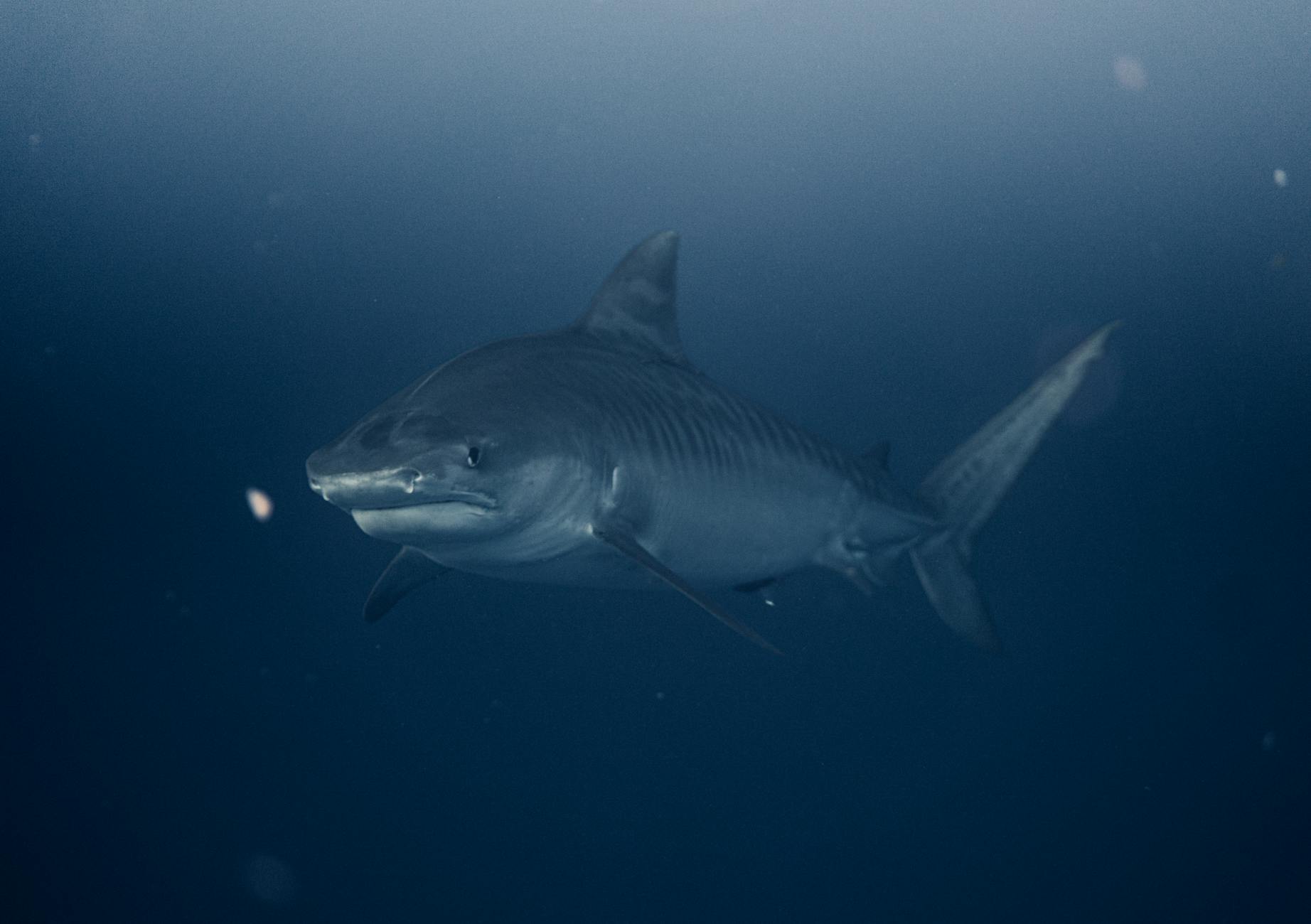
A bull shark seriously injured a young woman swimming in Sydney Harbour off Elizabeth Bay in January 2024. The victim, 29-year-old microbiologist Lauren O’Neill, survived a devastating leg injury thanks to quick-thinking neighbours and surgeons. The attack was a shock to Sydney precisely because it happened in the heart of the city, in water thousands of residents swim in every summer.
What happened at Elizabeth Bay
Lauren O’Neill had come home from work and gone for an evening swim in the harbour near her apartment on Billyard Avenue in Elizabeth Bay, an inner-city suburb of Sydney. She had moved to the area only a few months earlier and was a regular swimmer and kayaker in the harbour. On this evening, soon after entering the water, she was attacked by a bull shark and suffered serious injuries to her right leg.
A neighbour, Michael Porter, heard what he described as a “soft yell” and went to help. He found O’Neill pulling herself from the water, weak, with “a whole pool of red blood in the Harbour” around her. He called emergency services, and other neighbours rushed to assist. One of them happened to be a vet, and the group worked to wrap and stabilise what Porter called “an absolutely horrific injury.” Paramedics from NSW Ambulance and Kings Cross Police arrived and took her to St Vincent’s Hospital, where surgical teams performed a long operation to save her leg.

The survivor’s recovery
Lauren O’Neill later released a statement thanking her “heroic and very kind neighbours,” the NSW Ambulance paramedics, and the Kings Cross Police for their swift action at the scene. She also thanked the specialist surgical teams who saved her leg, and her family, friends, and colleagues for their support. Her injuries were severe, but she went on to make a recovery, and she asked the public to respect her family’s privacy while she healed.
Why bull sharks live in Sydney Harbour
It surprises many people, but Sydney Harbour is home to a substantial bull shark population, with hundreds of individuals using the waterway, particularly in the warmer months from roughly November to April. The bull shark is uniquely suited to this environment.
The bull shark, Carcharhinus leucas, is the one large shark that can move freely between salt water and fresh water. Through specialised kidneys, a rectal gland, and other adaptations, it controls the salt and water balance of its body, a process called osmoregulation. This lets it thrive in the brackish, murky water of harbours, estuaries, and rivers. Sydney Harbour, fed by rivers and full of food, is ideal bull shark habitat. Research using acoustic tags has confirmed that bull sharks move through the harbour seasonally, drawn by warm water and abundant prey.
A powerful shark in murky water
Several traits make the bull shark one of the species most often involved in serious bites worldwide, alongside the great white and the tiger shark:
- It is stocky and powerful, with adults commonly reaching 2 to 3.5 metres.
- It frequents the shallow, warm, often murky water close to where people swim.
- Poor visibility raises the chance of a mistaken-identity bite, where the shark cannot clearly see what it is investigating.
The Elizabeth Bay attack happened in the evening, when light is fading and bull sharks become more active, a combination that increases risk. You can learn more in our bull shark profile.
How rare are harbour shark attacks
Despite hundreds of bull sharks sharing the water, serious attacks in Sydney Harbour are extremely rare. The previous notable harbour attack had been in 2009, when a Royal Australian Navy diver lost his arm. A gap of roughly 15 years between serious incidents, in a harbour swum in by huge numbers of people, shows just how uncommon these events are.
A Sydney councillor, Linda Scott, said the attack would not deter the city’s keen harbour swimmers, noting that local swimming groups around Potts Point and Elizabeth Bay meet regularly. As she put it, “Sydneysiders embrace our beautiful harbour but do so knowing it’s a marine ecosystem.”
Swimming safely in shark waters
If you swim in harbours or estuaries known to hold bull sharks, a few habits lower the risk:
- Avoid swimming at dawn, dusk, and after dark, when bull sharks are most active.
- Stay out of murky water and avoid swimming after heavy rain, which washes prey and runoff into the water.
- Use netted harbour swimming enclosures where they are available.
- Do not swim alone. Lauren O’Neill survived because neighbours were close enough to act in minutes.
- Learn basic first aid. Controlling severe bleeding in the first minutes is what keeps a victim alive.
The Elizabeth Bay attack was a frightening, rare event, and the survivor’s recovery is a tribute to the people who reached her fast. For more on reducing your risk, read our guide on how to avoid a shark attack.
Part of our guide: Shark Attacks Guide.
Got a shark photo of your own? Send it to us and we may post it here and on our Facebook page, with your name on it. Share your shark photo


My sister swims in the harbour most summer evenings and she was back in within a couple of weeks. I don’t think I could.
Good to hear she kept the leg. Are the netted harbour enclosures in Sydney actually shark-proof, or more of a reassurance thing?