Great White Shark Deep Dive: Biology, Behaviour, Conservation in 2026
The most comprehensive 2026 update on the great white shark. Range shifts, OCEARCH data, conservation status, the orca threat, and the most-asked questions answered.


The most comprehensive 2026 update on the great white shark. Range shifts, OCEARCH data, conservation status, the orca threat, and the most-asked questions answered.

Steve Bruemmer, 62, was savaged by a great white at Lovers Point, Pacific Grove; a nurse, a police officer, and a surf instructor paddled out to save him.

Why young great whites use Southern California’s shallows as a nursery, what CSULB’s Shark Lab has tracked, and how to tell a pup from a juvenile from an adult.

A woman drifted 650 ft offshore on a pool ring in Esperance, Australia, when a shark knocked her off and circled twice before swimming away; she survived.
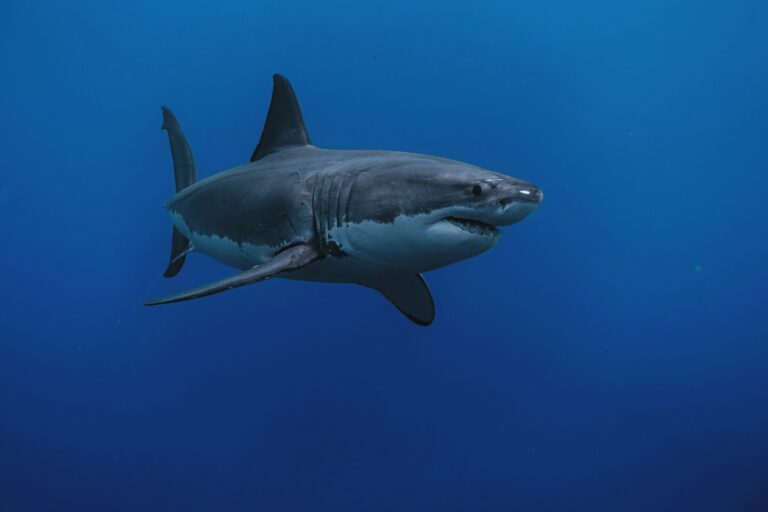
Ten of the best-documented shark encounters on video, with the ISAF classification for each, the difference between an attack and an encounter, what to do if you meet one, and the real numbers behind the fear.
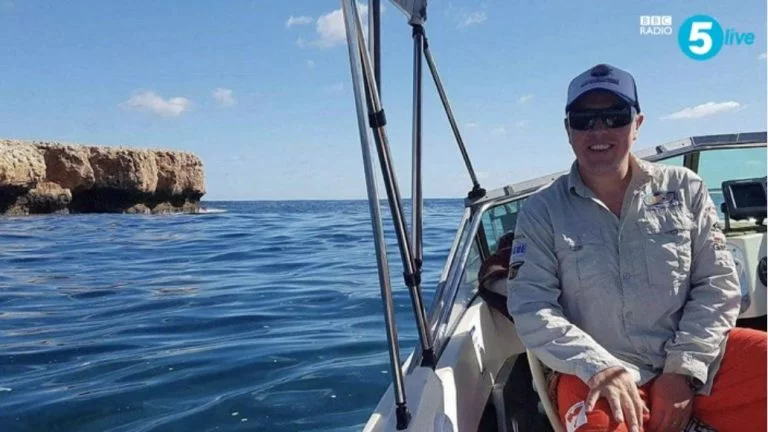
British diver John Craig was tailed by a 4 m tiger shark for 5 miles after losing his boat off Shark Bay, Western Australia, and lived to tell it.

Seven shark videos worth watching: the first footage of a ghost shark, a biofluorescent shark, sharks living inside an active volcano and a great white in three feet of water.

The 12 US beaches with the highest shark attack histories, from New Smyrna in Volusia County to Daytona, Cocoa, and Vero, with bite counts and species.
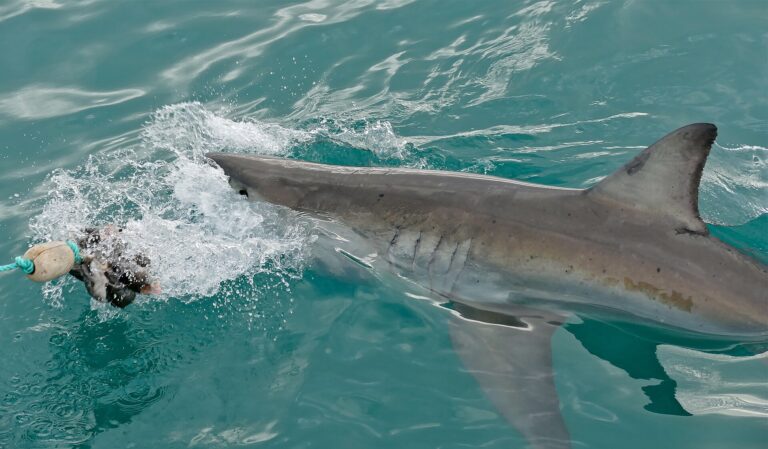
The great white shark in full: size, speed, lifespan, ancestry, reproduction, diet, range and conservation status, with the attack record put in proportion.
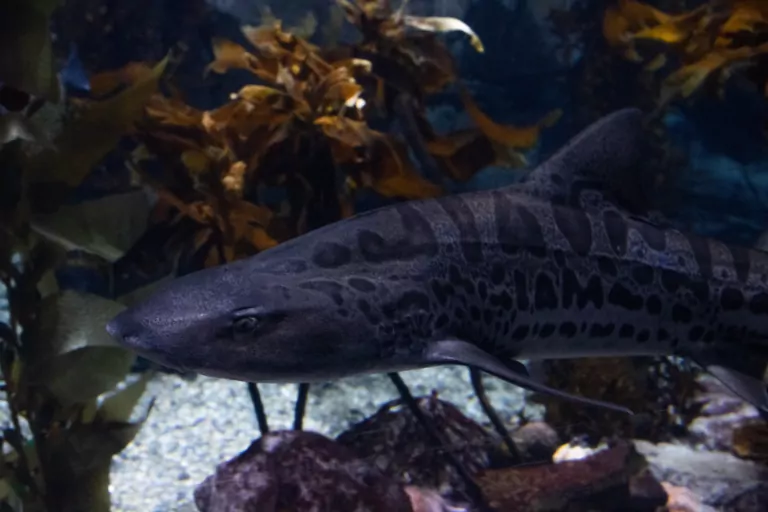
The leopard shark (Triakis semifasciata) is a slender, harmless coastal shark of the Pacific coast of North America, instantly recognizable by the dark gray saddle markings down its back.
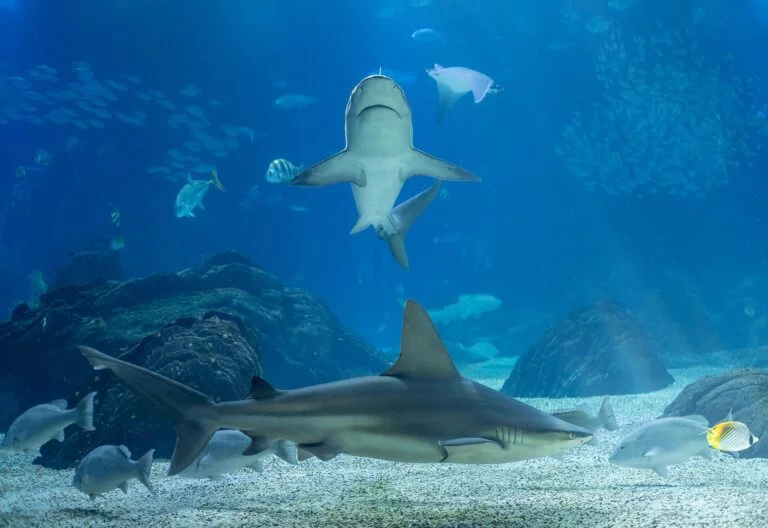
The sandbar shark (Carcharhinus plumbeus) is a stout, broad-finned requiem shark found in temperate and tropical coastal waters worldwide, instantly recognizable by an unusually tall first dorsal fin and a heavy, almost barrel-like body.
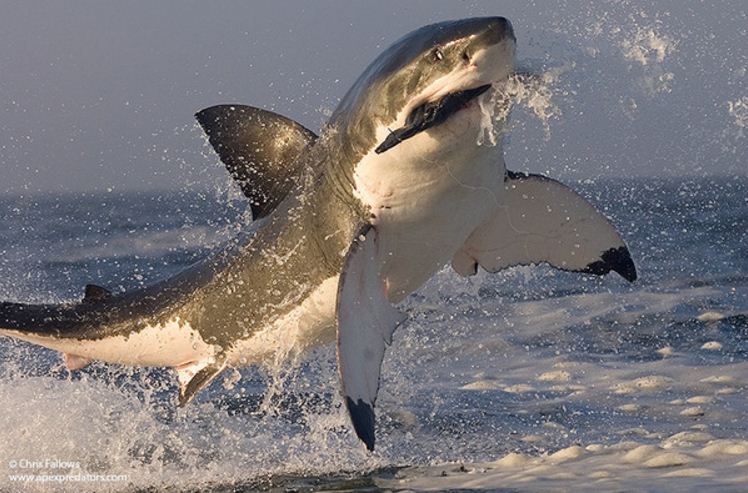
Great whites cannot be kept in captivity: they pace, refuse food, and die within weeks. Monterey Bay Aquarium tried six juveniles between 2004 and 2011.
We send one careful shark roundup per month. Conservation news, species profiles, the occasional reader question we could not resist answering.
We never share your email. One-click unsubscribe.