
Steven Spielberg Apologizes for Decimating the Shark Population
3 min read
Last Updated on July 27, 2026 by Otis Mako
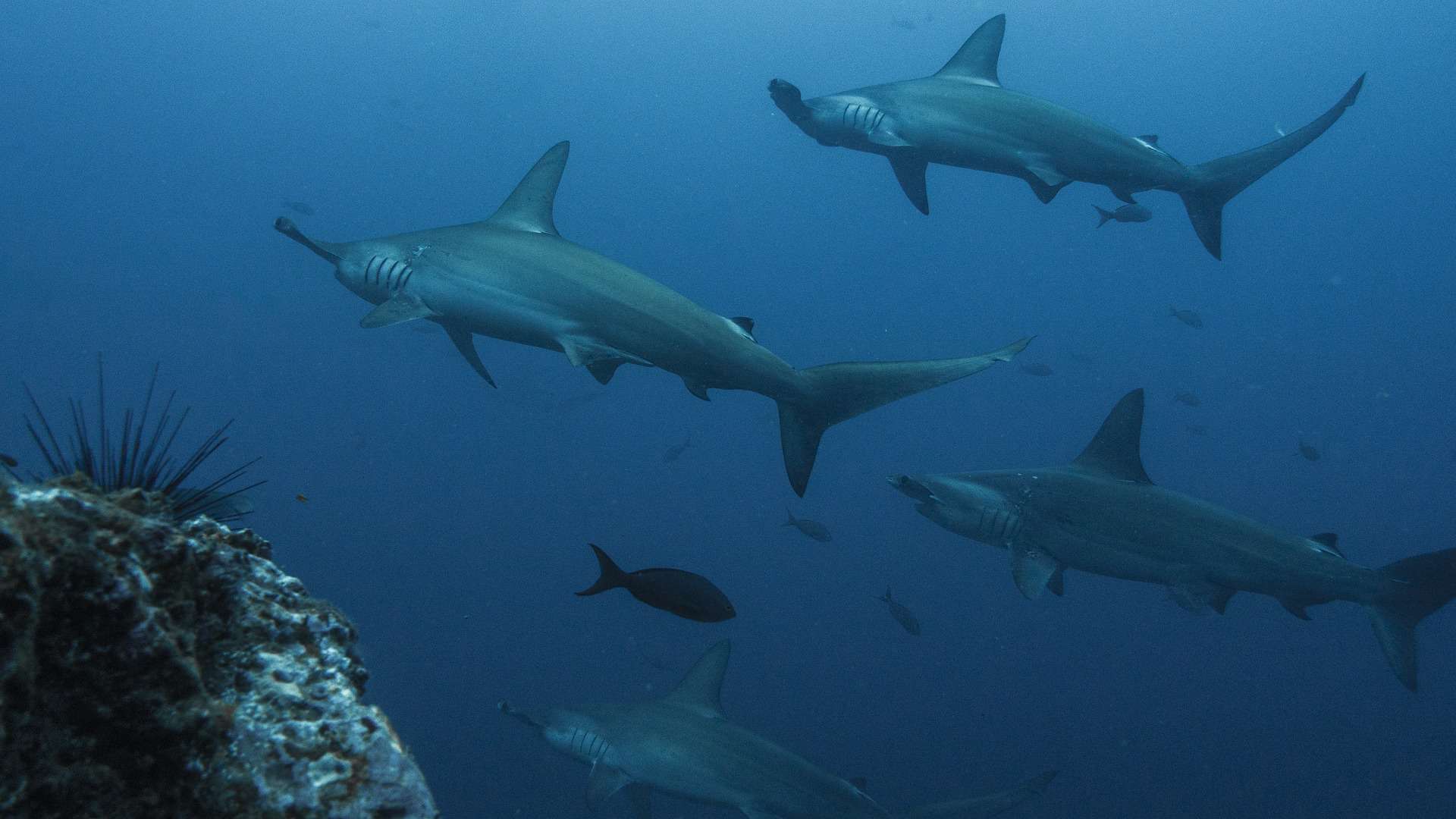
Steven Spielberg, the director of Jaws, has publicly said he regrets the harm his most famous film did to sharks. Speaking to the BBC Radio 4 programme Desert Island Discs in 2022, he admitted he is “truly” haunted by the wave of shark killing that followed the 1975 release, saying he fears that “sharks are somehow mad at me for the feeding frenzy of crazy sport fishermen that happened after 1975.”
How Jaws changed the way we see sharks
Before 1975, sharks barely registered in the public imagination. They were not widely feared, and they attracted little research funding or conservation interest. During the Cold War the US Navy had even issued a chemical repellent called Shark Chaser to service members, although it never worked well and was phased out by 1974.
Then came Peter Benchley’s novel Jaws in 1974, followed by Spielberg’s film adaptation in June 1975. The film was a phenomenon. It became the first true summer blockbuster, and its image of the great white as a relentless, malevolent killer lodged itself permanently in popular culture. John Williams’s two-note theme alone became shorthand for lurking danger.
The cultural fallout was real. The film triggered a surge in galeophobia, the clinical term for an intense fear of sharks, and it inspired a generation of recreational anglers to hunt sharks as trophies. Along parts of the US east coast in particular, a competitive sport-fishing culture grew around catching and killing large sharks, fuelled directly by the film’s villain.
The state of shark populations today
The decades since have been hard on sharks, although Jaws is only one factor among many. A landmark 2021 study in the journal Nature found that the global abundance of oceanic sharks and rays had declined by roughly 71 percent since 1970. The IUCN now lists more than a third of all shark and ray species as threatened with extinction.
The biggest driver is commercial fishing, not sport fishing. An estimated 80 to 100 million sharks are killed every year, about 25 million of them threatened species, for shark fin soup, for meat, and for use in leather, cosmetics, jewellery, and even pet food. The trophy-hunting frenzy that troubled Spielberg added to the pressure at a vulnerable moment, but the long decline is mostly an industrial fishing story.
Peter Benchley’s change of heart
Spielberg is not the only person connected to Jaws to express regret. Peter Benchley, the author of the original novel, spent much of the rest of his life as a committed ocean conservationist. He said openly that he could not have written the same book later, once he understood how rare shark attacks really are and how badly sharks were being overfished. Benchley worked on conservation campaigns and wrote non-fiction about the ocean before his death in 2006. The two men most responsible for the fictional shark monster both ended up advocating for the real animals.
Shark research and Shark Week after Jaws
The intense public interest the film generated, fear included, also drew attention and funding toward shark science. Researchers who had previously struggled to study sharks found a public newly curious about them.
That curiosity helped create Shark Week. The Discovery Channel launched the annual event in 1988, with the explicit aim of educating the public and correcting the misconceptions Jaws had spread. More than three decades on, it remains the longest-running cable programming event in history, and it has helped fund and publicise genuine shark research. You can read more in our guide to Shark Week.

The Jaws effect, studied by scientists
The cultural shift Spielberg apologised for is real enough that researchers have given it a name: the “Jaws effect.” Studies of media and public attitudes have documented how the film’s framing of sharks as deliberate, vengeful man-eaters seeped into news coverage and even into political debate about shark culls. The fear then made harmful policies, such as large-scale culling after a single bite, seem reasonable to the public. Understanding the Jaws effect is now part of how conservationists argue for evidence-based shark management rather than fear-driven responses.
The shark movie genre Jaws created
Jaws launched an entire genre. More than 150 shark films have been made since 1975, from serious survival thrillers like The Shallows to deliberately absurd creature features like the Sharknado series. The overwhelming majority still cast sharks as human-hungry villains, which keeps the original myth alive in each new generation.
Real sharks behave nothing like the screen version. There are usually fewer than 10 fatal unprovoked shark bites worldwide in a typical year, the great majority of bites are cases of mistaken identity, and most of the more than 500 shark species are small and harmless. Whether Steven Spielberg is personally responsible for the harm done to sharks is a fair question, but his apology and Peter Benchley’s lifelong activism made the same argument from the inside. For how bites actually happen and how to avoid one, see our guide on shark safety and behaviour.
Part of our guide: Shark Conservation Guide.
Got a shark photo of your own? Send it to us and we may post it here and on our Facebook page, with your name on it. Share your shark photo



My dad saw Jaws when it came out and still won’t swim past his waist. I’d push back a little on the apology angle though, since the fin trade did far more damage than any sport fishermen.