
Should Tan-Awan stop feeding Whale Sharks?
3 min read
Last Updated on July 27, 2026 by
Should the village of Tan-Awan stop hand-feeding its whale sharks? For more than a decade, fishermen there have fed wild whale sharks every morning to keep them close for tourists. The practice has lifted local livelihoods and quietly worried marine biologists, and both of those things are true at once.
Where Tan-Awan is and how the feeding began
Tan-Awan is a coastal barangay in the town of Oslob, on the southeastern tip of Cebu Island in the central Philippines. It sits on the Tanon Strait, a deep channel rich in plankton, which is why whale sharks pass through. The feeding tradition started around 2011, when a local fisherman, Jerson Soriano, began swimming alongside the visiting sharks. A nearby resort owner saw this and asked him to take guests into the water with them. Other locals quickly followed, hand-feeding the sharks to keep them in the bay, and an association of sea wardens was formed to feed the whale sharks each morning and ferry tourists out to see them.
What a whale shark actually is
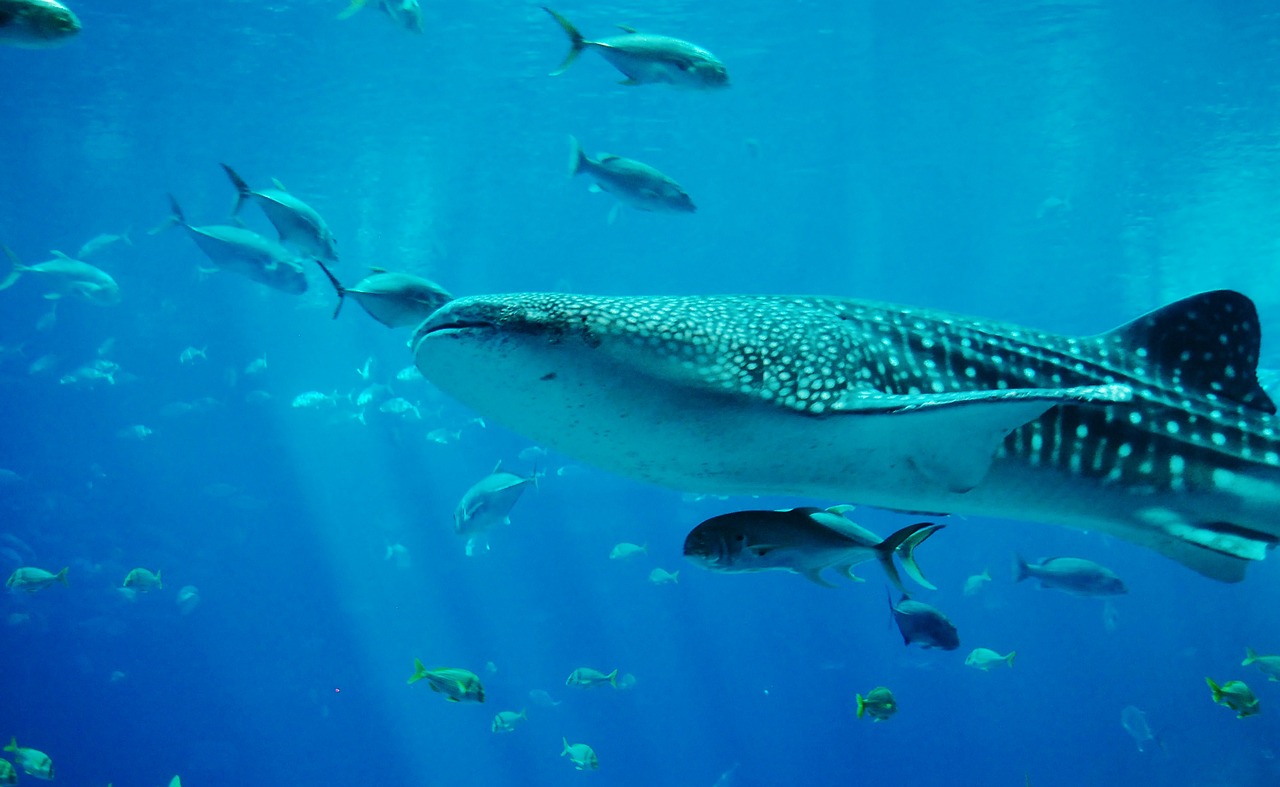
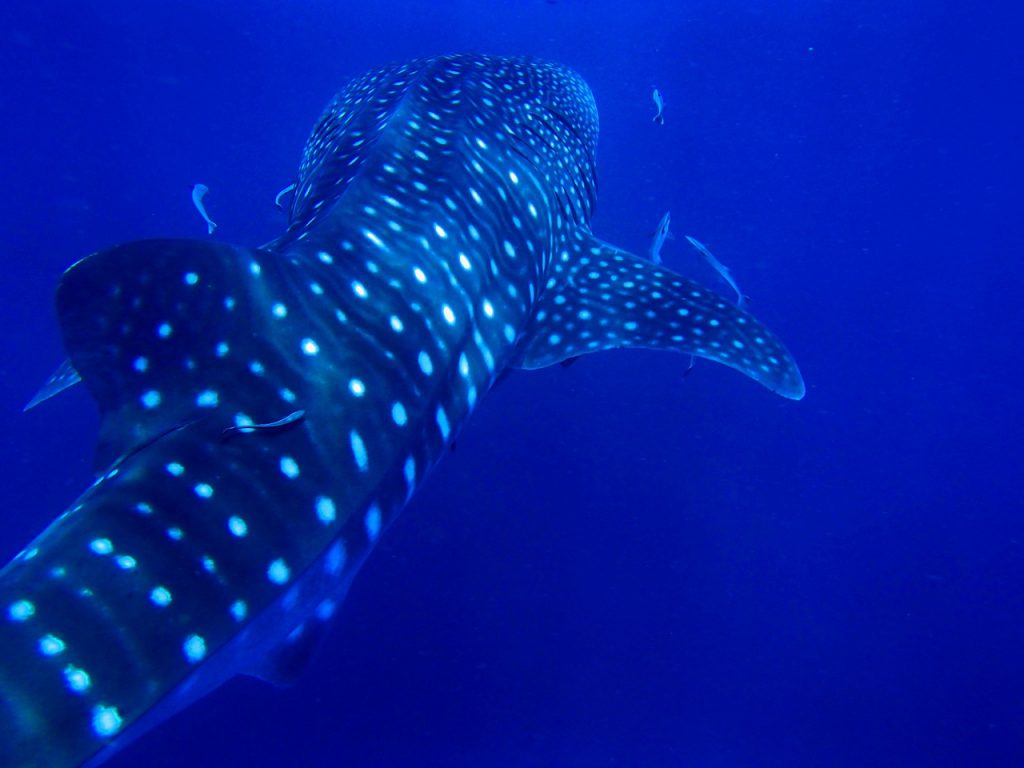
The whale shark (Rhincodon typus) is the largest fish in the sea, reaching around 12 metres long, and it is harmless to people. It is a filter feeder, swimming with its huge mouth open to strain plankton, fish eggs, lobster larvae and small fish from the water. The IUCN Red List classifies it as Endangered, and the species is slow to mature and slow to reproduce, which makes every population vulnerable. Whale sharks are also natural wanderers, covering long distances and diving hundreds of metres down in search of food.
How the feeding changes the sharks
That last point is where the problem starts. At Tan-Awan the sharks are fed a daily ration of shrimp, a small krill-like crustacean locals call “uyap”. This has two clear effects. First, it changes their diet from a wild, varied filter-feeding intake to a steady handout of a single food. Second, it changes their behaviour. Instead of migrating and diving, the Oslob sharks linger near the surface in the bay, day after day, because that is where the food appears. Spending so much time at the surface among boats costs them: the sharks pick up more scarring and propeller injuries from hitting and scraping against vessels. Habituated animals can also lose their natural caution around boats, which raises the collision risk further.
Why the community keeps doing it
Whale shark tourism turned a struggling fishing village into a destination. In 2019, the interaction is reported to have generated several million US dollars for the area, and individuals such as Lorene de Guzman saw their income triple, enough to build a home. Then the Covid-19 pandemic from 2020 cut tourism off almost overnight. With visitors gone, families struggled, and reports describe rising local crime as people grew desperate for money. Hand-feeding the sharks daily through the lean years was partly a way to keep them present, so the animals would still be there when tourists returned. To many residents the whale sharks are something close to family.
What conservationists say
Marine biologists and conservation groups see it differently. The World Wide Fund for Nature has urged tourists to avoid Oslob and watch whale sharks elsewhere, arguing that provisioning wild animals for tourism alters natural behaviour in ways that can harm them. Their concerns include the diet change, the disrupted migration, the surface injuries, the risk of disease spread where many sharks gather unnaturally close, and the worry that habituated sharks become easier targets for poachers. A wild animal that depends on a daily human handout is no longer behaving as a wild animal, and that dependency is fragile.
Is there a better way to see whale sharks?
Responsible whale shark tourism does exist. At other sites in the Philippines, such as Donsol in Sorsogon province, operators take visitors to see whale sharks that gather naturally to feed on seasonal plankton blooms, with no hand-feeding at all. Good practice anywhere includes keeping a respectful distance, never touching the animals, limiting the number of swimmers in the water at once, and not using flash photography. Choosing a feed-free, well-regulated site sends a clear message about the kind of tourism the animals can live with.
Where this leaves Tan-Awan
This is a genuine dilemma rather than a clear villain. The Tan-Awan community found a way to earn a living from a magnificent animal without killing it, which is a real conservation win in a country where sharks are often hunted. But the method, daily provisioning, carries costs the sharks pay in changed behaviour and scarred bodies. The honest answer is that the feeding should be phased out and replaced with a model that protects both the sharks and the livelihoods that now depend on them. To learn more about the species at the centre of it all, read our full whale shark species profile.
Got a shark photo of your own? Send it to us and we may post it here and on our Facebook page, with your name on it. Share your shark photo


