
Fatal Shark Attack in Swan River
3 min read
Last Updated on May 18, 2026 by Otis Mako
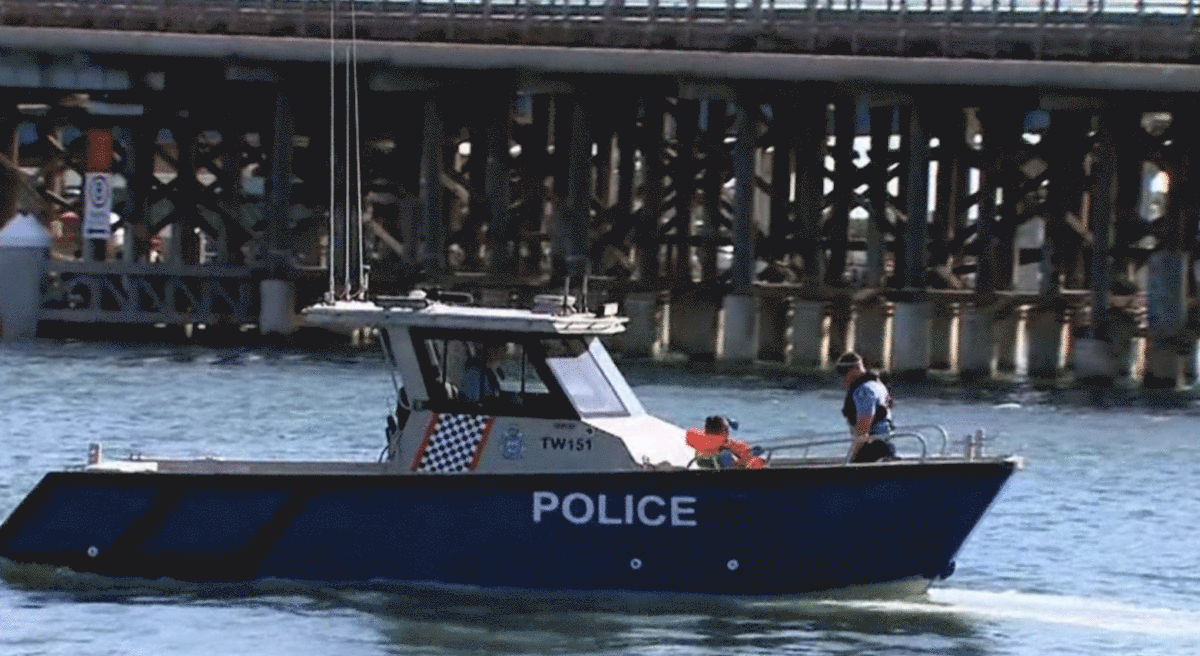
A teenager was killed by a shark in the Swan River, which runs through the city of Perth in Western Australia. The attack, in February 2023, claimed the life of 16-year-old Stella Berry, and it was the first fatal shark attack in the river in roughly a century. The fact that it happened in a city river, not the open sea, is what made the tragedy so shocking, and it points to one particular shark.
What happened in the Swan River
Stella Berry had been riding jet skis with friends when she spotted a pod of dolphins in the river. She jumped into the water hoping to swim alongside them. Instead she was attacked by a shark and was pronounced dead at the scene. She was the seventh recorded shark attack victim in the Swan River since 1923, and the first fatality. The six earlier incidents, the most recent of them long in the past, had all been non-fatal.
Remembering Stella Berry
Behind the headlines was a much-loved teenager. Stella’s parents, Sophie and Matt Berry, described her as a “loving big sister and the best daughter,” a girl who loved art and spent her happiest hours at the river and the beach with friends. Her friend Lara Connolly called her “the sweetest and smartest girl I knew,” and remembered that she loved running and hoped one day to complete a marathon. Another friend, Teagan McArthur, said the loss simply “doesn’t feel real.” The community of Perth mourned alongside the family.

Why a shark was in a city river
Western Australia’s Fisheries Minister, Don Punch, said the shark was believed to be a bull shark, and authorities later focused on that species. Of all the large sharks, the bull shark, Carcharhinus leucas, is the one most able to do something the others cannot: live in fresh water.
Most sharks would die in a river. Their bodies are tuned to salt water, and fresh water would dilute their tissues dangerously. The bull shark is the great exception. It can regulate the salt and water balance in its body through specialised kidneys, a rectal gland, and other adaptations, a process called osmoregulation. This lets it move freely between the ocean and freshwater rivers and estuaries. Bull sharks have been recorded thousands of kilometres up rivers, including far up the Mississippi and the Amazon, and they are well documented in the Swan River system around Perth.
The bull shark and why it can be dangerous
The bull shark is a stocky, powerful animal, with adults commonly reaching 2 to 3.5 metres. Several traits combine to make it a shark worth respecting near shore:
- It tolerates the shallow, warm, often murky water of rivers, estuaries, and surf zones, exactly where people swim.
- It has a broad, varied diet and an exploratory feeding style.
- Murky water reduces visibility, raising the chance of a mistaken-identity bite, where a shark cannot clearly see what it is investigating.
Along with the great white and the tiger shark, the bull shark is among the species most often involved in serious bites worldwide. Its willingness to enter fresh water is precisely what made it the prime suspect in the Swan River. You can read more in our bull shark profile.
The challenge of river safety
After the attack, Western Australia’s Premier offered condolences and promised to look at prevention. The Fisheries Minister noted that shark barriers were something authorities were open to discussing with local government.
But a river is far harder to protect than an ocean beach. As officials pointed out, the Swan River is naturally murky and brown, which makes aerial drone surveillance, a tool used effectively on clear coastal water, almost useless. A shark simply cannot be seen from above in that kind of water. Physical barriers can protect a specific swimming enclosure, but they cannot make an entire urban river safe.
Lessons from a rare tragedy
It is important to keep this in perspective. There are usually fewer than 10 fatal unprovoked shark bites worldwide in a typical year, and a century had passed without a fatal bite in the Swan River. Events like this are devastatingly rare, and the long gap since the previous Swan River fatality, recorded in 1923 when a 13-year-old boy died at Freshwater Bay, shows just how uncommon they are.
There is, however, one clear safety lesson. Stella Berry jumped in to swim with dolphins, and that instinct, while understandable, carries hidden risk. In Australia it is illegal to deliberately swim with wild dolphins, and there is a practical danger too: sharks and dolphins often share the same productive waters, so a pod of dolphins is not a sign that the water is shark-free. If you swim in rivers or estuaries known to hold bull sharks, avoid murky water, dawn, and dusk, stay in supervised areas, and never enter the water to chase wildlife. For more, see our guide on how to avoid a shark attack.
Part of our guide: Shark Attacks Guide.
Got a shark photo of your own? Send it to us and we may post it here and on our Facebook page, with your name on it. Share your shark photo


Heartbreaking for her family. I had no idea a bull shark could be living that far up a river running right through a city.