Diving Deeper: 10 Intriguing Questions About the Basking Shark Answered!
3 min read
Last Updated on July 27, 2026 by Otis Mako
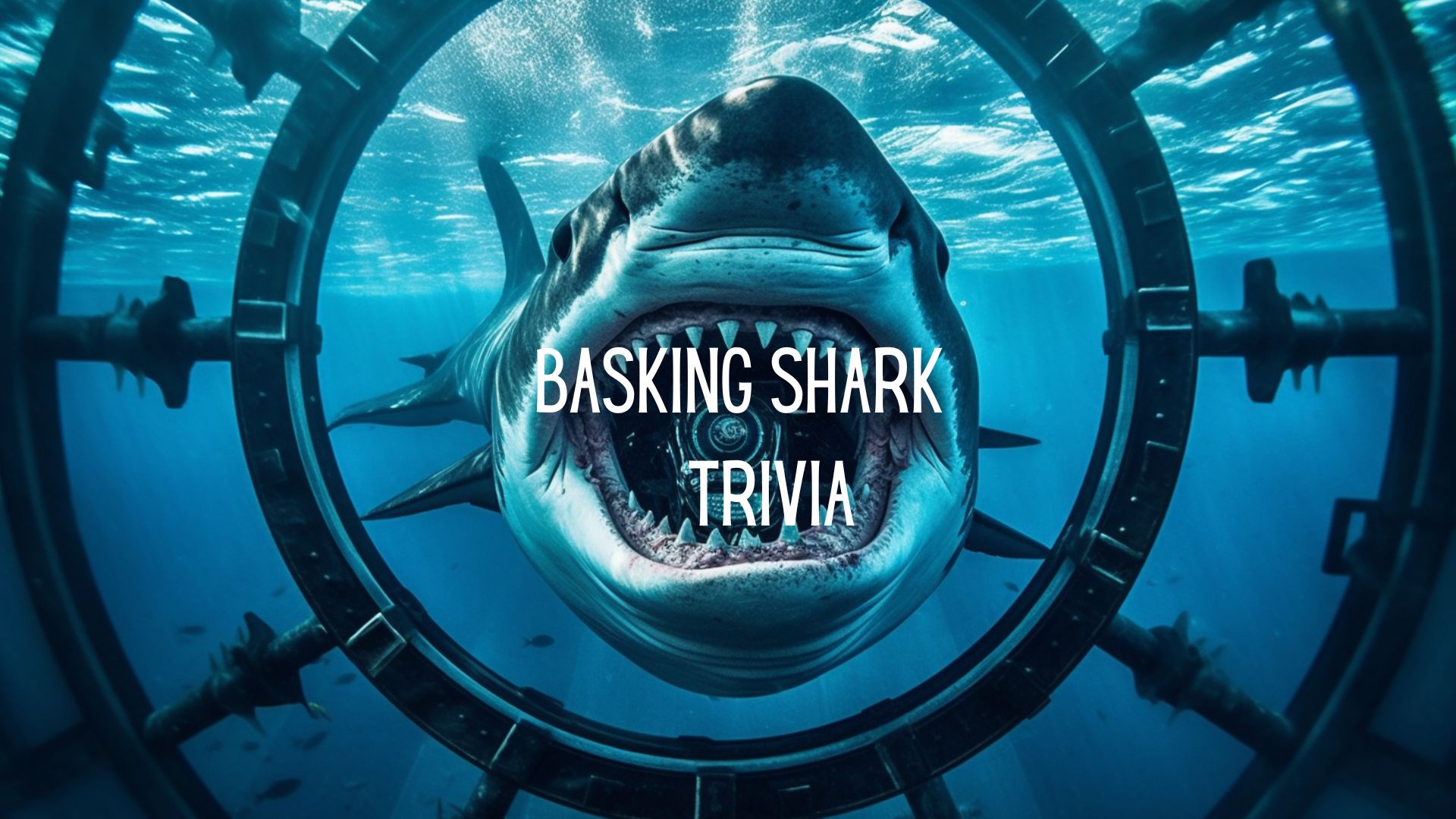
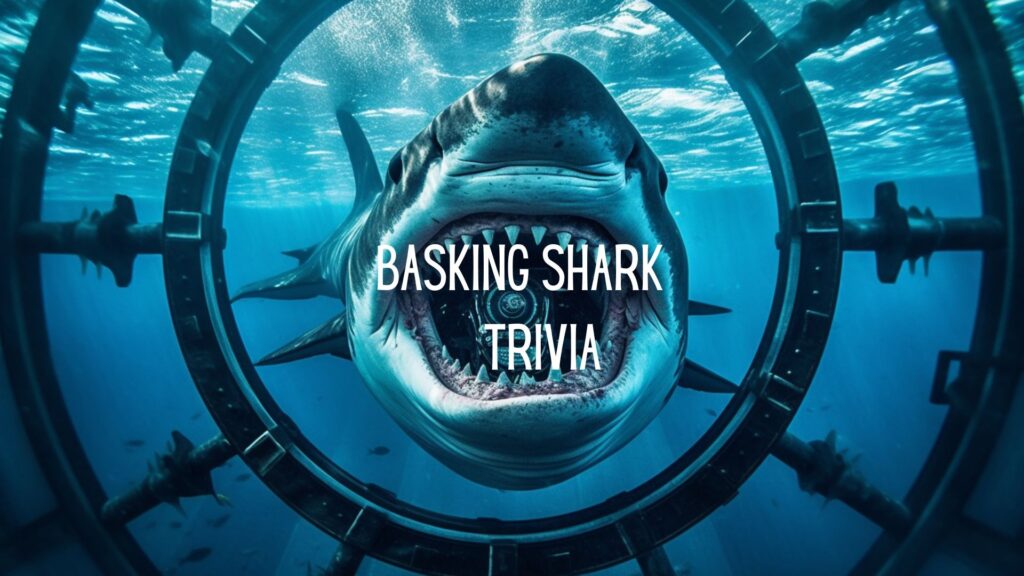
How well do you know the basking shark, the gentle giant that is the second-largest fish in the sea? Ten questions with the answers below each one, then a fuller guide to the species underneath the quiz. We Love Sharks built this shark trivia game to make learning about the basking shark fun.
The basking shark (Cetorhinus maximus) is the second-largest living shark after the whale shark, and it is slow-moving, docile and completely harmless to people. Play the quiz first, then read on for how it feeds, where to see one, and why it is endangered.
The 10-question basking shark trivia game
Question 1: What is the primary diet of the Basking shark?
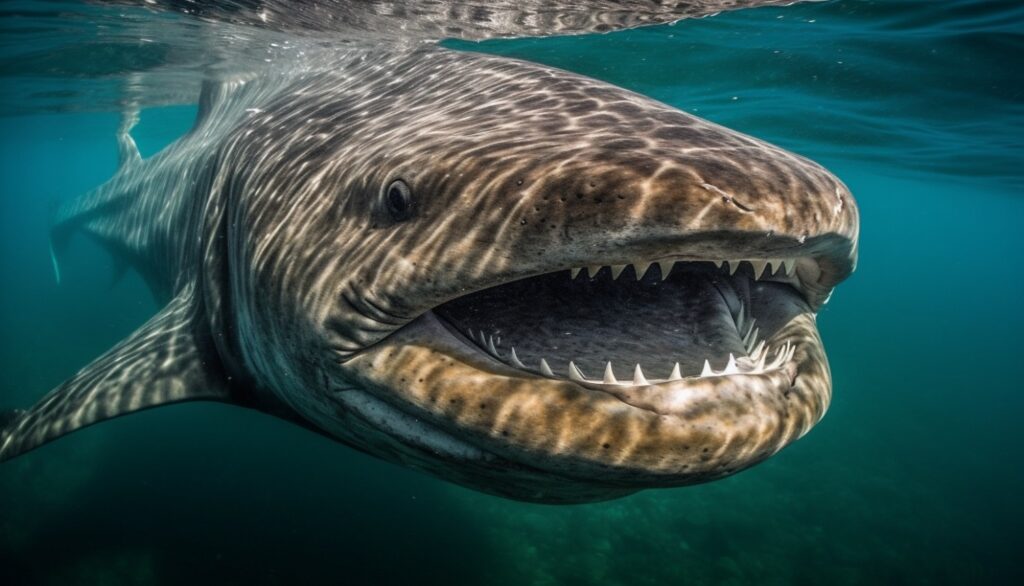
Answer 1: Plankton.
Question 2: How does the Basking shark eat its food?
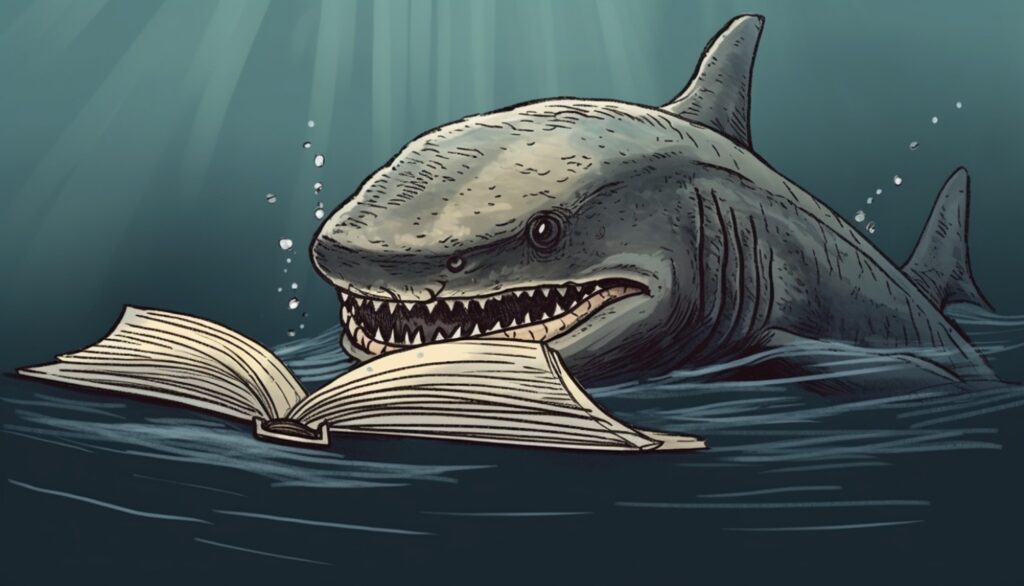
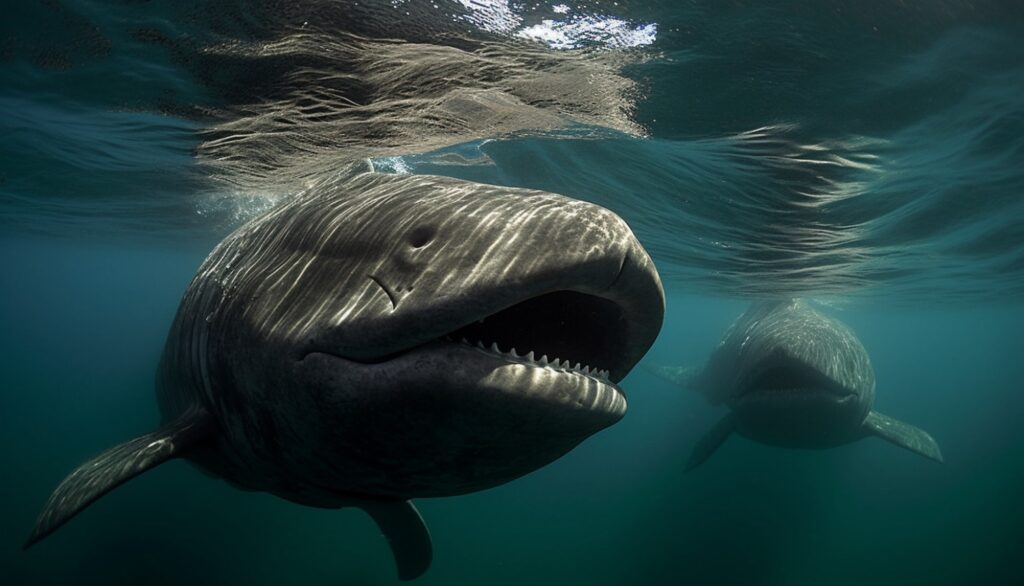
Answer 2: By filter feeding, using its wide-open mouth and gill rakers.
Question 3: Where can the Basking shark typically be found?
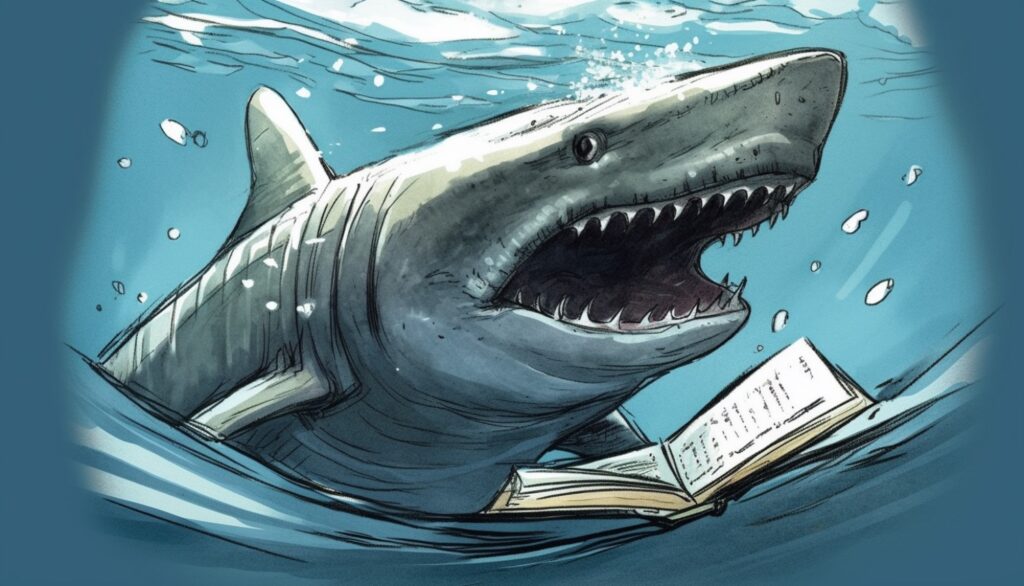
Answer 3: In temperate oceans, swimming close to the surface.
Question 4: How long can a Basking shark grow?
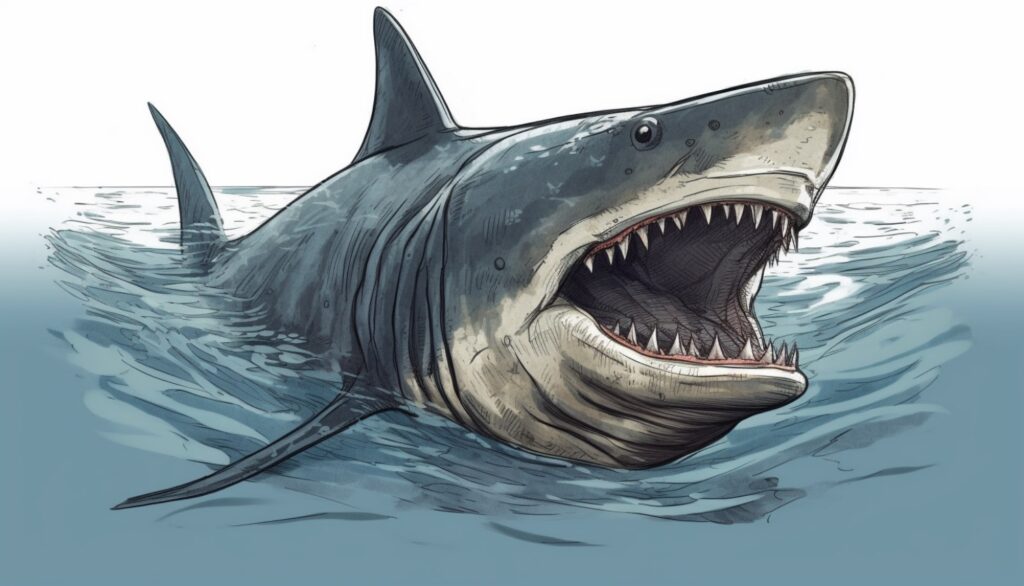
Answer 4: Up to 40 feet long.
Question 5: What is the weight of an average adult Basking shark?
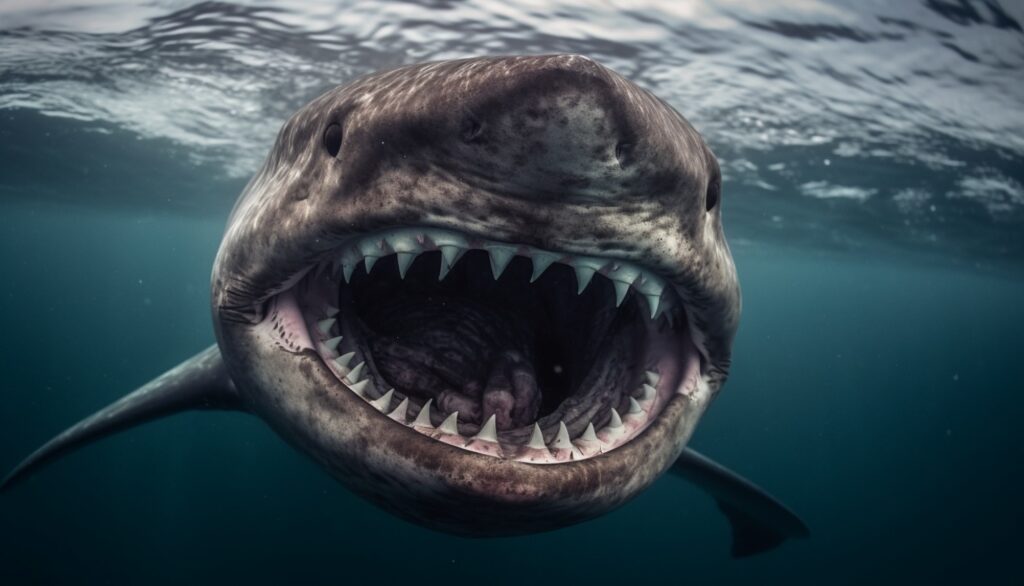
Answer 5: More than 5 tons.
Question 6: How wide can the Basking shark’s mouth open?
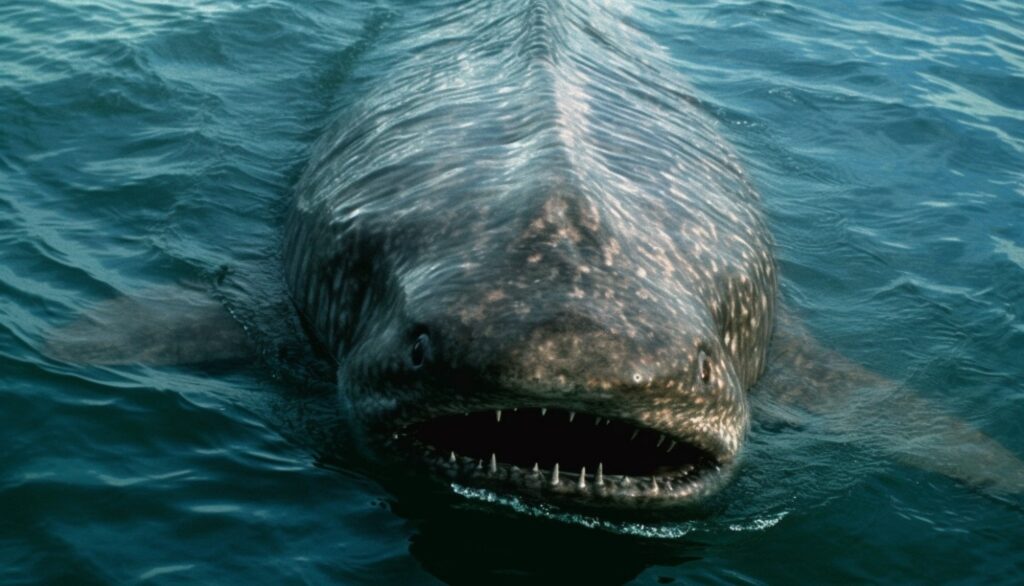
Answer 6: Over three feet wide.
Question 7: Is the Basking shark considered a threat to humans?
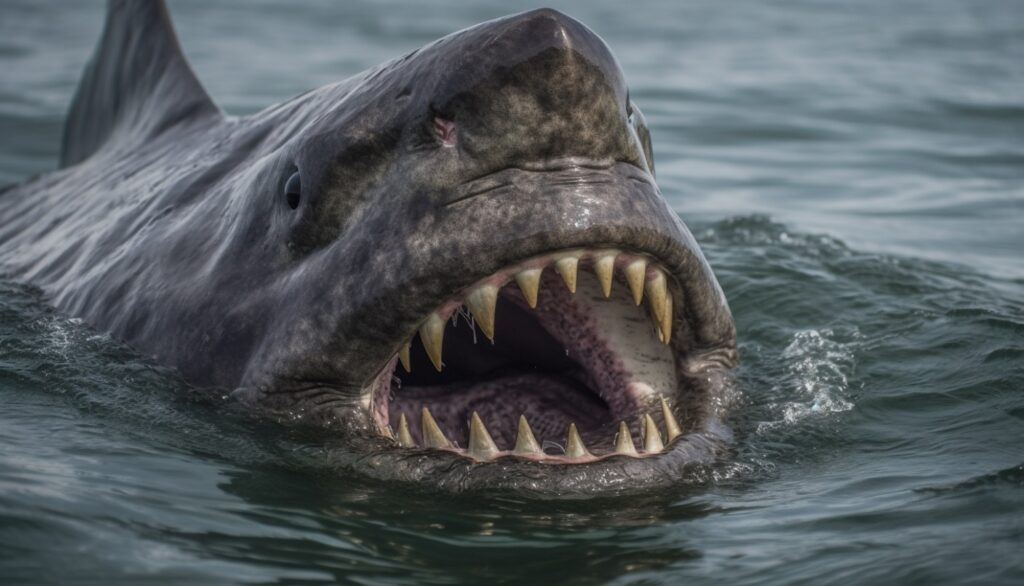
Answer 7: No, it is a slow-moving and docile creature.
Question 8: What is the conservation status of the Basking shark?
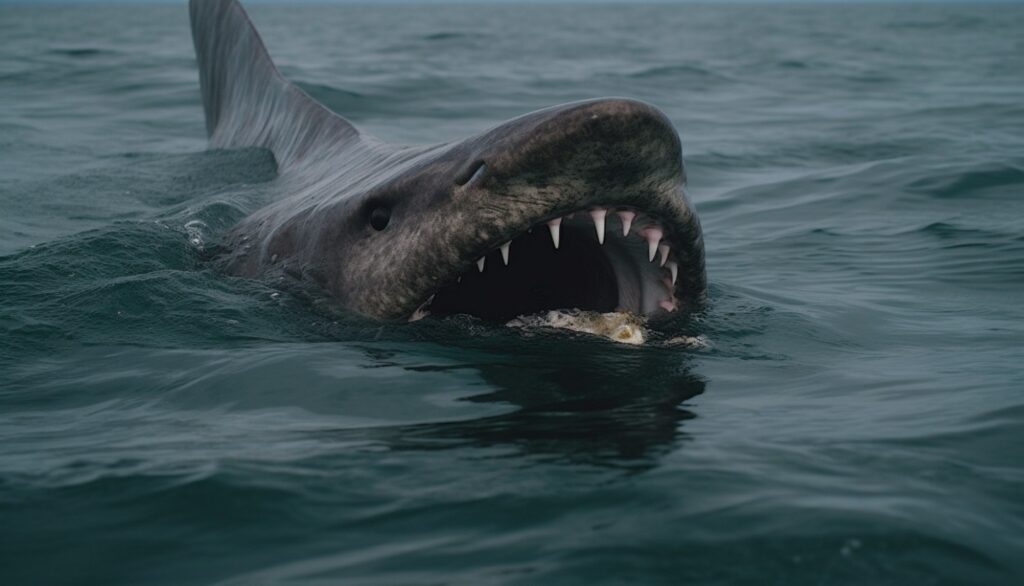
Answer 8: Endangered. The basking shark is listed on the IUCN Red List as Endangered.
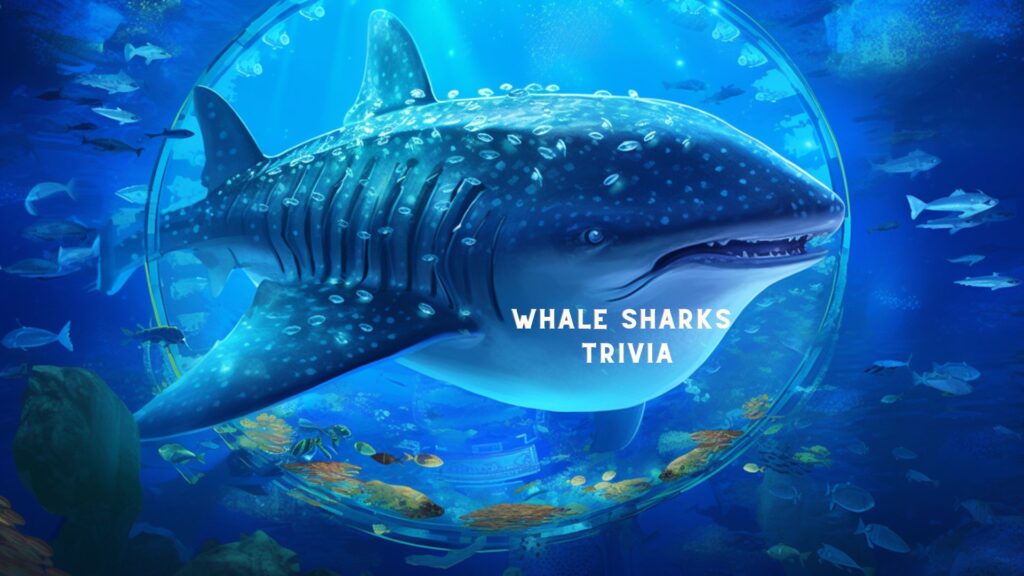
Question 9: Who is the Basking shark’s larger relative?
Answer 9: The whale shark.
Question 10: Why is the Basking shark named as such?
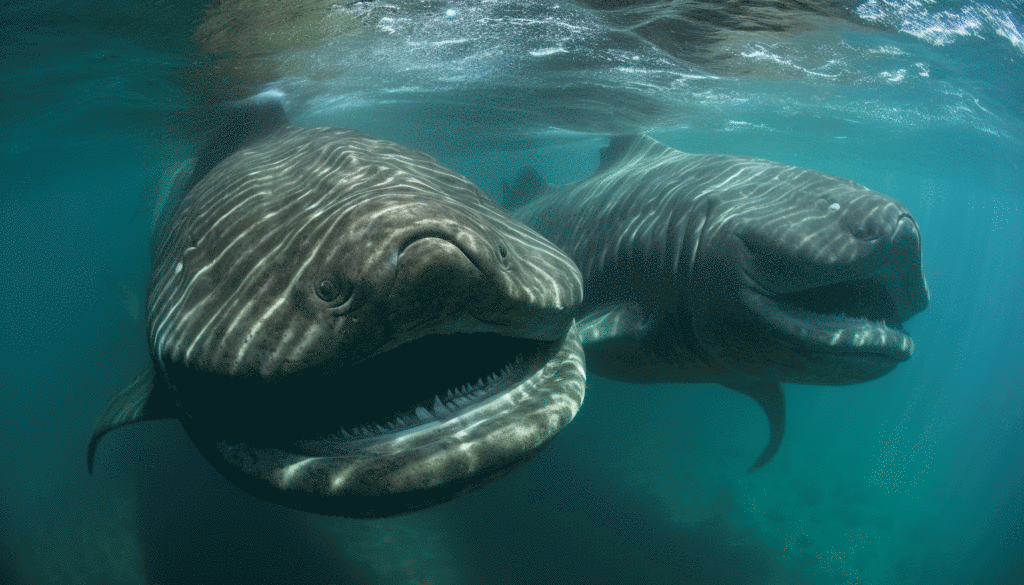
Answer 10: Because it often appears to be “basking” in the sun near the water’s surface as it feeds.
Diving deeper into the basking shark
The trivia covers the headline facts. Here is the rest of the animal.
How it feeds
For all its size, the basking shark does not chase or bite anything. It is one of only three filter-feeding sharks in the world, alongside the whale shark and the megamouth. It swims slowly forward with its mouth held open, letting seawater pour in, and comb-like structures called gill rakers trap the zooplankton it lives on. It depends entirely on the natural plankton blooms of cool seas.
Where and when to see one
Basking sharks favour temperate coastal waters and follow seasonal plankton. They are well known in the waters around the British Isles, where summer hotspots include the seas off Cornwall, the Isle of Man and the west coast of Scotland. They often appear at the surface in the warmer months, when plankton is dense and near the top of the water column, which is exactly the behaviour that gave them their name. In colder months they move into deeper water, and satellite tracking has shown they undertake long migrations.
Why the basking shark is endangered
The basking shark’s gentle nature was historically its downfall. For centuries it was hunted heavily for its liver, which is rich in oil, as well as for its meat and fins. Slow to grow, slow to mature and producing few young after a long pregnancy, the species recovers very poorly from such losses. The IUCN Red List classes the basking shark as Endangered. Today it is legally protected in many countries and listed under international agreements that restrict trade in it, but recovery is measured in decades, not years.
How the basking shark compares to a great white
People picture all big sharks as predators, so it helps to set the basking shark against the great white. A large great white reaches around 6 metres and hunts seals and fish with rows of serrated teeth. A basking shark reaches roughly 8 to 10 metres, far larger, yet its teeth are tiny and useless for biting, because it never needs to bite anything. The great white is a fast ambush predator; the basking shark is a slow, steady cruiser. Both belong to the same order, Lamniformes, which makes the gulf between their lifestyles all the more striking.
Surprising basking shark facts
A few extra facts are worth carrying away:
- The basking shark has an enormous liver, rich in oil, which helps it stay buoyant. That same liver is what made it a target for hunters.
- It has been seen breaching, leaping clear of the water despite its bulk, possibly to dislodge parasites.
- Basking sharks are sometimes seen swimming nose to tail in groups, and they were once thought to hibernate on the seabed in winter, an idea that satellite tracking has since corrected.
- A decomposing basking shark carcass loses its lower jaw and gill structure, leaving a “pseudo-plesiosaur” shape that has fuelled more than one sea-monster sighting over the years.
More shark trivia games
Now that you have worked through the basking shark trivia, try our other species games below and see how well you know the rest of the shark world.
Let us know how you scored in the comments, and if you have a good basking shark fact or question of your own, share it below.
Got a shark photo of your own? Send it to us and we may post it here and on our Facebook page, with your name on it. Share your shark photo