Bull Shark Trivia: Questions and Answers to Challenge Your Knowledge
4 min read
Last Updated on July 27, 2026 by Otis Mako
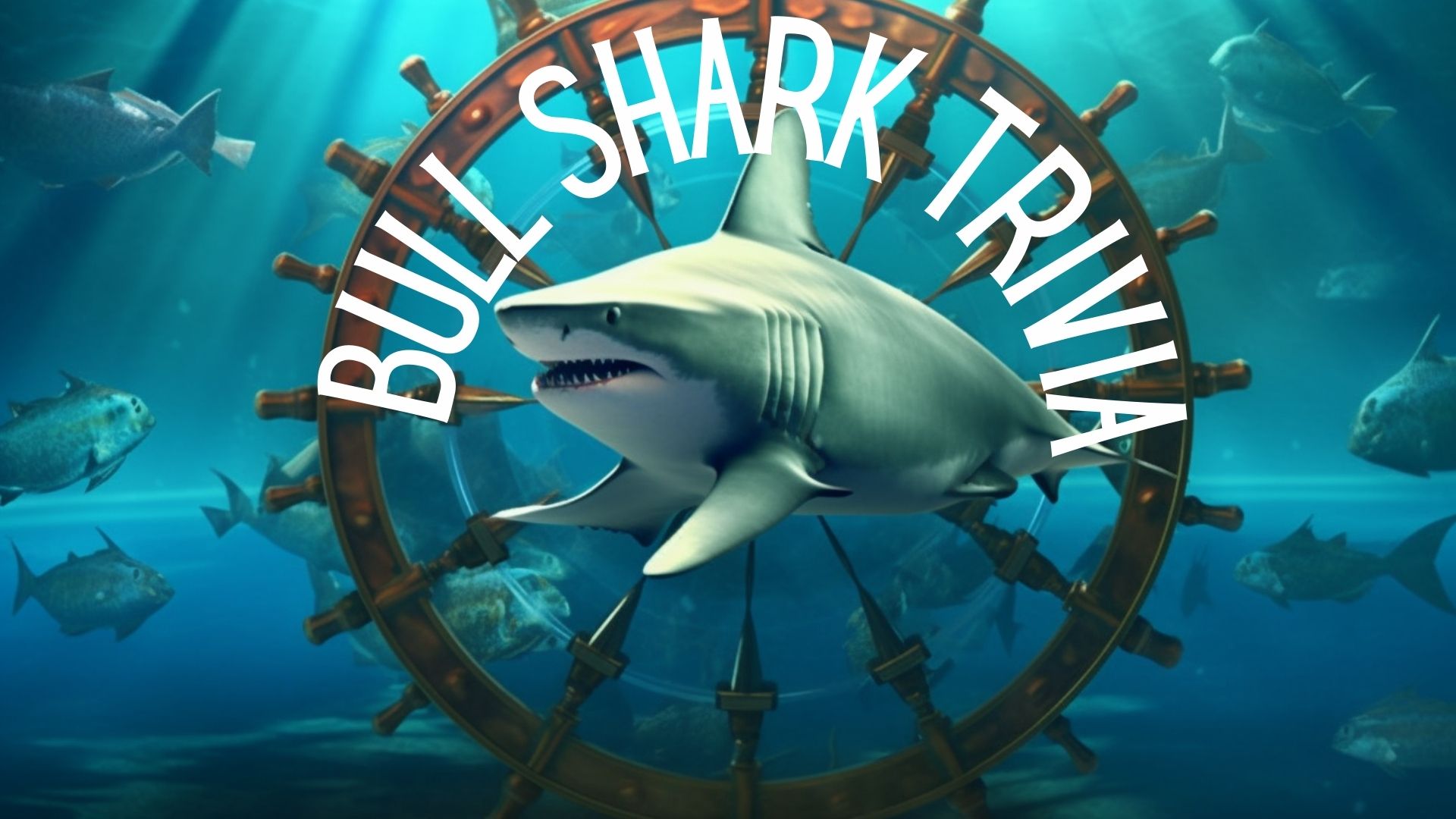
The bull shark is the only large shark that genuinely thrives in fresh water, swimming far up rivers and into lakes where no other species can follow. This page is a bull shark trivia game: read the facts below, then test yourself with ten questions and answers. Tell us how you scored in the comments, and share any bull shark facts of your own.
Get to Know the Bull Shark
The bull shark, scientifically Carcharhinus leucas, is a member of the requiem shark family and one of the most adaptable predators in the sea.
- Size: Bull sharks are medium to large, with females generally bigger than males. They commonly grow to around 11 feet, roughly 3.4 metres, and a stout build makes them look heavier than their length suggests.
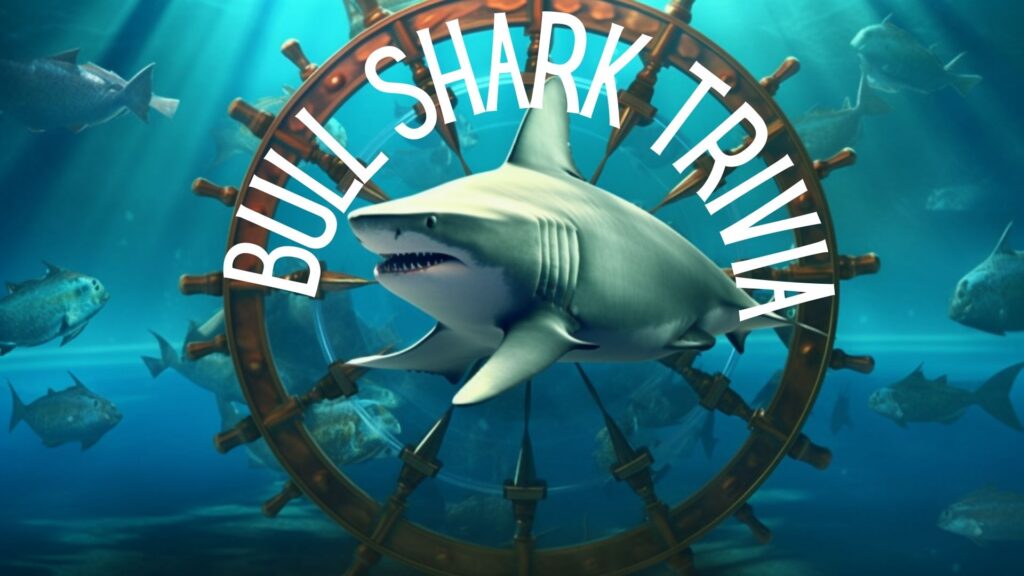
- Appearance: They are grey on top and white below, a camouflage pattern called countershading. The short, broad, blunt snout is what gives the bull shark its name and its bullish look.
- Fresh and salt water: This is the bull shark’s signature trait. It is one of the very few sharks able to move between the ocean and fresh water, and it has been recorded in rivers and lakes far inland.
Most sharks would sicken and die in fresh water because their bodies are tuned to a salty environment, but the bull shark’s kidneys, gills, and a gland near the tail work together to control the balance of salt in its body, a process called osmoregulation. That single adaptation is why a bull shark can turn up hundreds of miles from the sea.
Diet and Behaviour
Bull sharks are opportunistic feeders with a varied diet: fish, smaller sharks, rays, and occasionally birds and other animals. They hunt in the warm, shallow, often murky coastal water and river mouths they favour. Because that water is cloudy, and because bull sharks are powerful and unfussy, they are considered one of the species most likely to be involved in encounters with people, especially if provoked or surprised. Their generic, nondescript shape also means they are frequently misidentified.
Trivia Questions about the Bull Shark
Question 1: What makes the bull shark unique about the water it can inhabit?
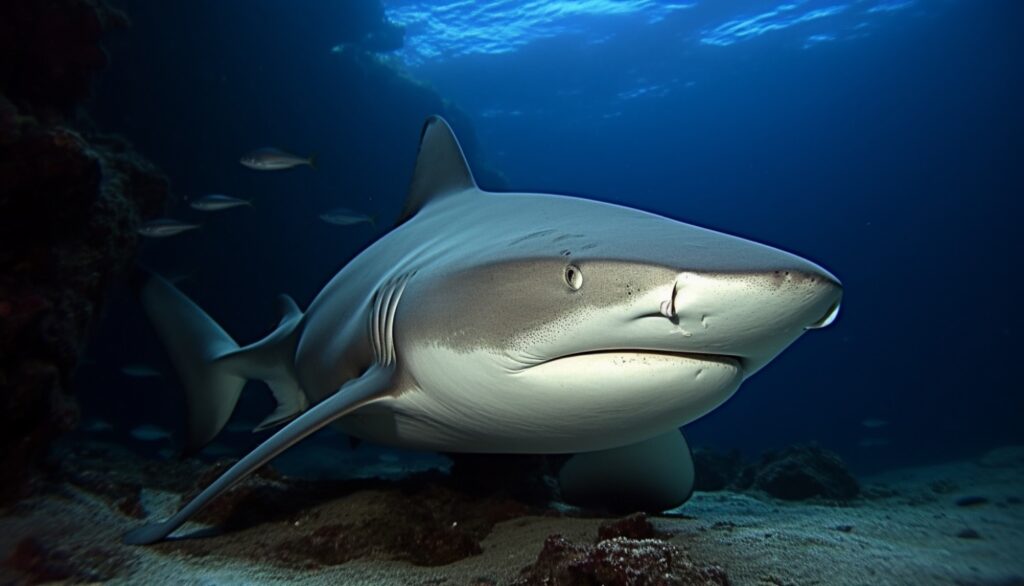
Answer 1: It can live in both freshwater and saltwater environments.
Question 2: How long can bull sharks grow?
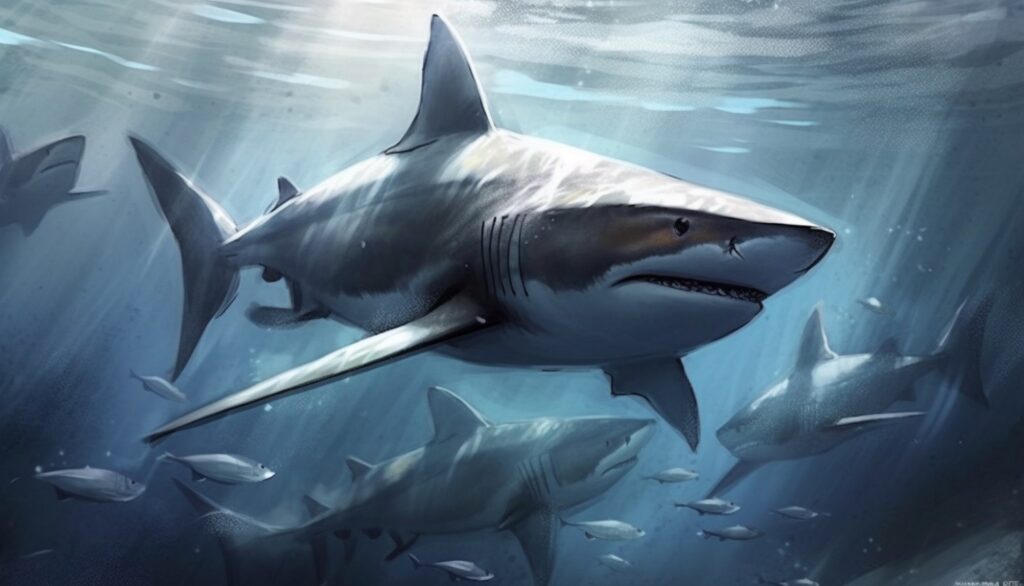
Answer 2: Up to 11 feet (3.4 meters) long.
Question 3: What type of birth do bull sharks have?
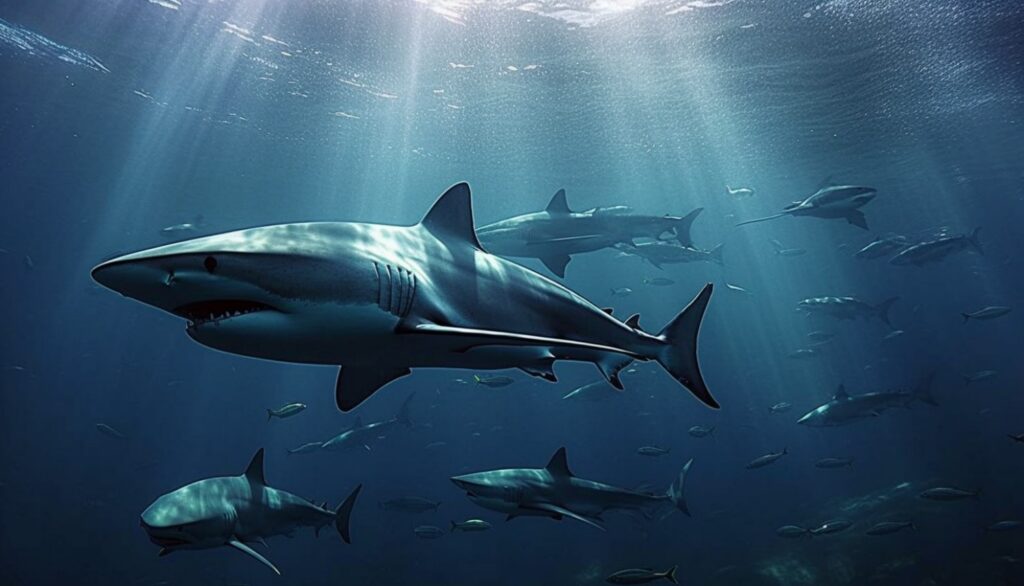
Answer 3: Viviparous (live birth).
Question 4: How many pups can a female bull shark give birth to in one litter?
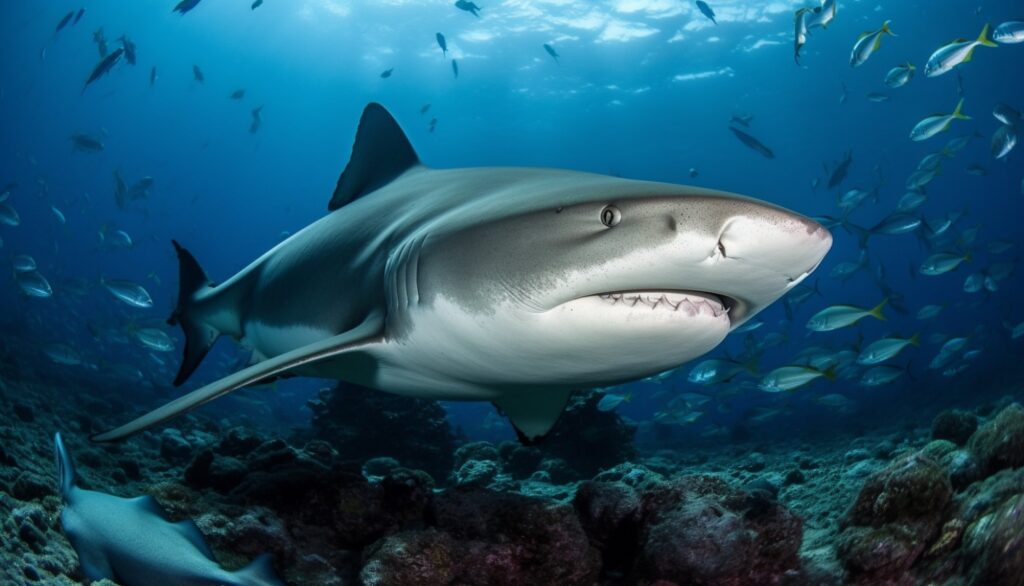
Answer 4: 1 to 13 pups.
Question 5: Are bull sharks found only in the oceans?
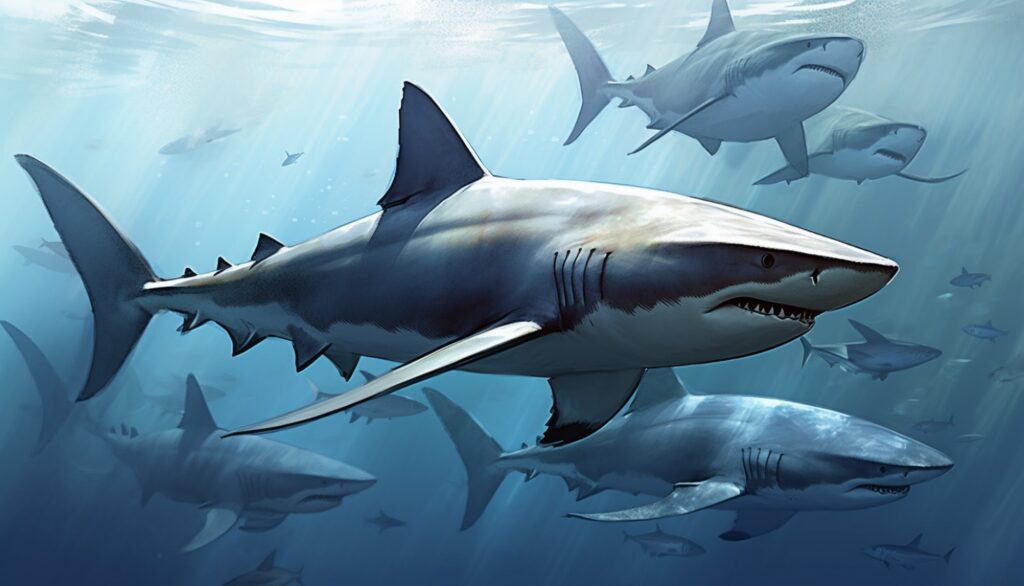
Answer 5: No, they are also found in rivers and lakes.
Question 6: Which river in the US has reported sightings of bull sharks?
Answer 6: The Mississippi River.
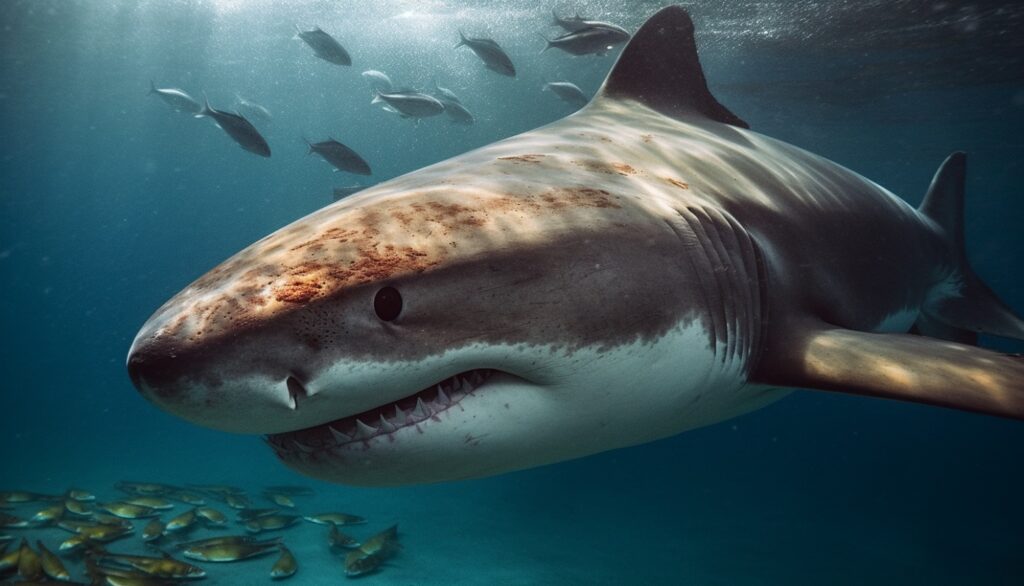
Question 7: What type of feeders are bull sharks?

Answer 7: Opportunistic feeders.
Question 8: Why are they called bull sharks?

Answer 8: Because of their short, blunt snout and stout appearance.
Question 9: Are bull sharks more aggressive than other shark species?

Answer 9: They are considered one of the most aggressive shark species, especially when provoked.
Question 10: In which type of waters are bull sharks mostly found?
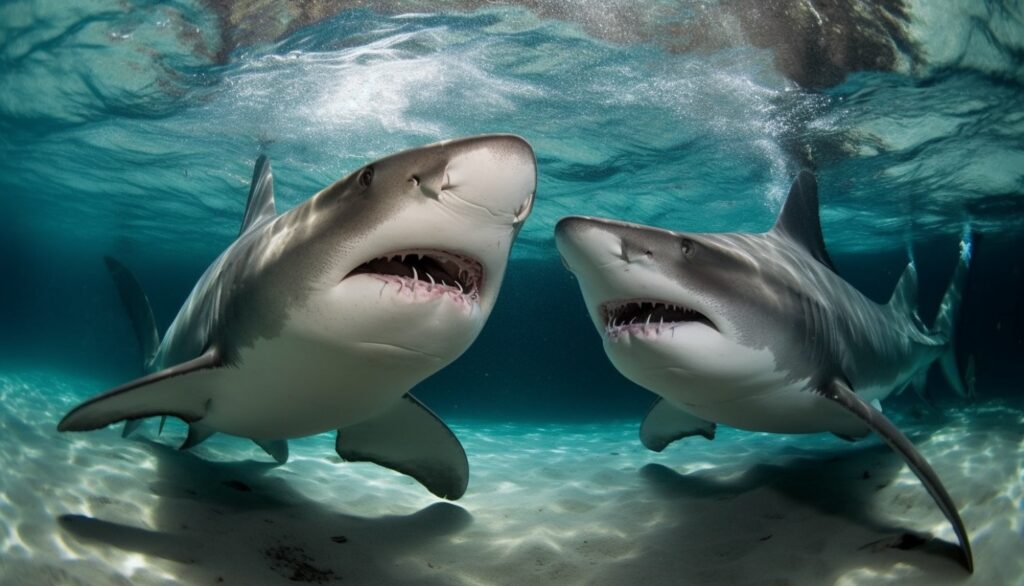
Answer 10: Warm coastal waters, especially in the tropics.
More Bull Shark Facts to Remember
The species ranges across warm coastal waters worldwide, from the Atlantic and Gulf of Mexico to the Indian and western Pacific oceans. Bull sharks have been recorded astonishing distances inland: individuals have turned up far up the Mississippi River, deep into the Amazon, and in Lake Nicaragua in Central America, which was once thought to host its own landlocked shark before scientists realised the animals were bull sharks travelling in from the sea.
Bull sharks also play an important ecological role. As a top predator in estuaries and river mouths, they help keep populations of fish and rays in balance, which keeps those nursery habitats healthy. Like many sharks, they are slow to mature and produce small litters, so their numbers cannot bounce back quickly from heavy fishing pressure. The IUCN lists the bull shark as Vulnerable.
The bull shark’s reputation for aggression is real but often exaggerated. Its tolerance for fresh water means it ends up in the same warm, shallow, murky water that people use, which raises the chance of an encounter. It is a wild animal sharing a crowded habitat, and most of its life is spent hunting fish far from any swimmer.
The bull shark’s life cycle is also closely tied to rivers. Female bull sharks often give birth in low-salinity estuaries and river mouths, and those brackish areas serve as nurseries for the young. The pups stay in the relative safety of fresh and brackish water, away from larger ocean predators, until they are big enough to head out to sea. That makes healthy rivers and estuaries important to the species, and it is why pollution and habitat loss in coastal waterways are a conservation concern for bull sharks specifically.
Bull sharks have also been recorded leaping and feeding in surprising settings, including golf course lakes in Australia that were connected to a river system by flooding. Trapped there, the sharks survived for years and became a local curiosity.
More Shark Trivia Games
Try our other shark trivia games below and see how well you know the rest of the shark world.

Let us know your score in the comments, and explore our full collection of shark trivia games to keep learning.
Got a shark photo of your own? Send it to us and we may post it here and on our Facebook page, with your name on it. Share your shark photo