
Adidas and Parley Partner To Help Tackle Ocean Waste
4 min read
Last Updated on November 24, 2026 by Otis Mako
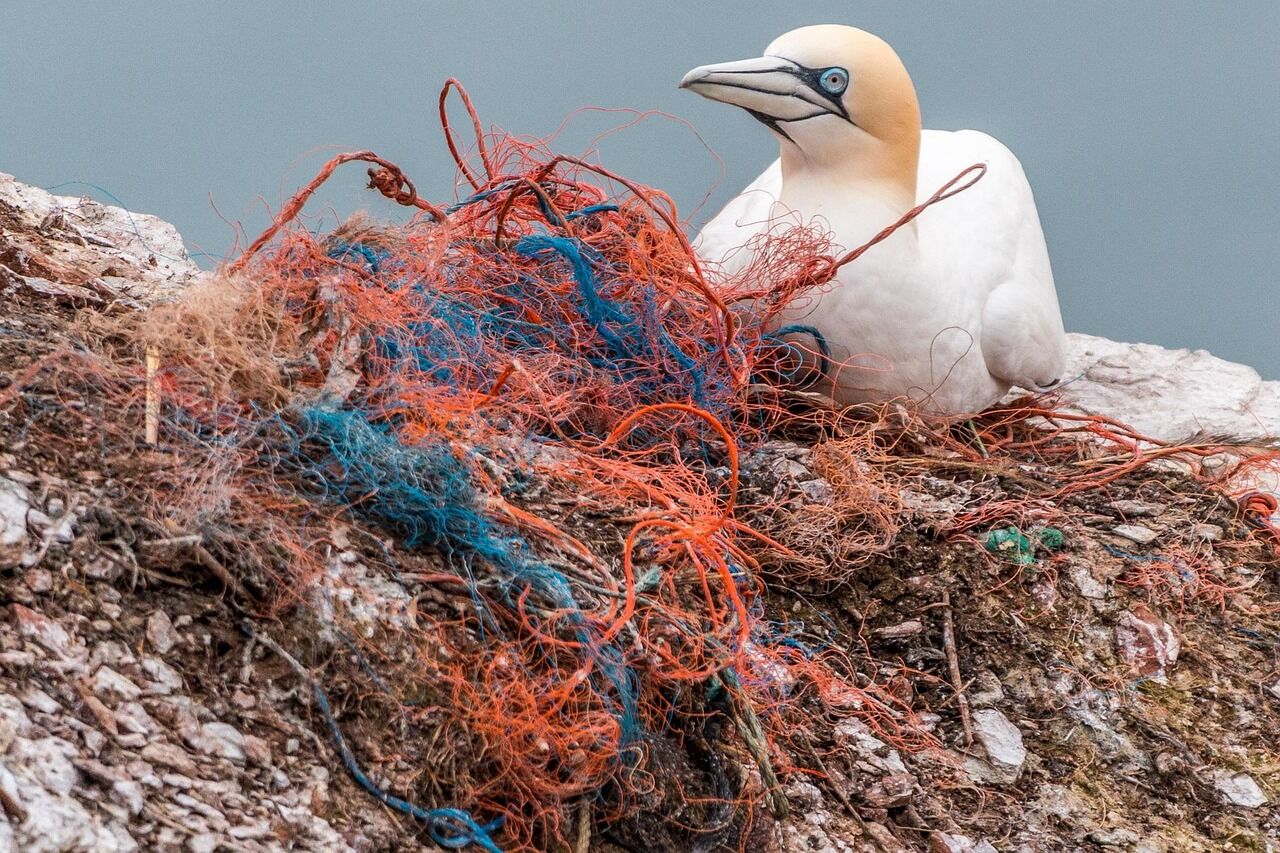
Adidas and Parley run a set of upcycling projects aimed at ocean waste.
Leading sportswear manufacturer Adidas announced the release of environmentally friendly football kits. The kits are for two of the biggest football teams: FC Bayern Munich and Real Madrid. This release is part of an ongoing partnership with Parley for the Oceans, an ocean conservation group. The partnership targets plastic waste pollution.
Adidas Ocean Waste Soccer Kits
The new jerseys are made from marine plastic debris and also feature water-based environmental-friendly prints for the crests and sponsor’s logos.
For Bayern Munich, the jerseys are all-red with monochrome dark red club crest, and dark red T Mobile branding. It has red Adidas stripes on the shoulder. There’s a back neck tape labeled with “For the oceans” on each top. Logos for Adidas and Parley are woven on an outer tag at the bottom left of the top. The set is completed with all-red shorts and socks.

The Real Madrid kit follows pretty much the same idea. But this time in all-white with 3 stripes on the shoulders and monochrome logos on the front for the club crest, Adidas brand, and bold ‘Fly Emirates’ print.

Other Products Being Made From Ocean Waste
Football kits are only part of what they are making. The partners have also launched footwear made from recycled ocean plastic, the Ultra Boost Uncaged Adidas X Parley Shoe. The first collection ran to 7,000 pairs made from upcycled ocean waste. The upper part of each shoe is made from 5 percent polyester and 95 percent ocean plastic waste dredged from the waters around the Maldives.
Each of these sneakers is made using 11 plastic bottles.
In line with the same eco-innovation drive, Adidas intends to make one million pairs of shoes using Parley Ocean Plastic in 2017.
“The ultimate ambition is to eliminate virgin plastic from our supply chain” says Cyrill Gutsch, founder of Parley for the Oceans.

You can read more about this eco-innovation strategy here: Adidas And Parley.
Why This Kind Of Eco-Innovation Is Important To Sharks And Other Sea Animals
Ocean plastic pollution has become a worrisome tragedy for all sea animals, sharks included. Marine debris today is plastic shopping bags, plastic cups, plates, and spoons. Other items include food wrappers, rope and string, rubber tires and even cigarette butts. That is before you add disposable diapers and aluminum cans.
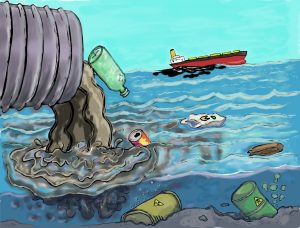
When you consider the fact that some of these items take over 400 years to degrade, you can see why the ocean’s rightful inhabitants are in trouble.
Despite many commendable recycling efforts, plastic in particular still appears to be taking over the world, and we are at a loss about how to effectively get rid of it. Even when plastic is broken down into tiny bits, the polymer chains are so strong that the bits can last for hundreds of years.
Take the incident of the ‘floatees’ for instance. On January 10, 1992 a cargo ship sailing from Hong Kong encountered a storm and tipped 12 containers into the Pacific Ocean. One of them held 28,800 plastic bath toys, which burst free into the water. The media named them ‘floatees’, and they included red beavers, green frogs, blue turtles and yellow ducks. To date, the toys are still floating and still popping up at different locations around the world’s oceans.
Floating Islands Of Death To Sea Animals
Because of circulating oceanic water patterns (gyres), it’s not uncommon to see large patches of oceanic plastic garbage moving in disgusting-looking formations across the waters. In fact, the California Coastal Commission estimates that there are up to 46,000 pieces of plastic litter in every square mile of ocean. In addition, a swirling vortex of trash calculated to be about twice the size of Texas has spawned in the North Pacific.
Sharks and fish that meet these clumps usually swallow a few of the objects out of curiosity before they work out that they are not food.
Some of the very tiny plastic particles look like zooplankton and birds and small fish regularly eat these pellets mistaking them for food. The larger fish then eat the small fish and the chain reaction goes on.
Stomachs Filled With Plastic Waste
Since plastic does not degrade even when swallowed, the objects just take up space in the animal’s stomach. If that particular animal keeps swallowing more plastic, there’ll eventually be very little space left for real food.
We are effectively bombarding the oceans with our plastic waste from two directions: ships, boats and oil rigs, and land, beach and shoreline activities. These plastic and other waste items are polluting the oceans and killing the unsuspecting sea animals that will inevitably eat them. It’s not strange these days to find plastic items in the gut of dissected sea animals.
Even when they don’t ingest these items, sharks and other sea creatures regularly get entangled with plastic ropes and large wrappers. As a result, most will suffocate and die before they are rescued. Here’s the link to a detailed and alarming report by Greenpeace on the effects of ocean waste on marine life.
Just like Adidas said, one single entity can’t end pollution. Raising awareness is not enough on its own. It takes action, and strategies that can end the cycle of plastic pollution for good.
Got a shark photo of your own? Send it to us and we may post it here and on our Facebook page, with your name on it. Share your shark photo


