
Adopt a Shark for Shark Week
4 min read
Last Updated on May 18, 2026 by
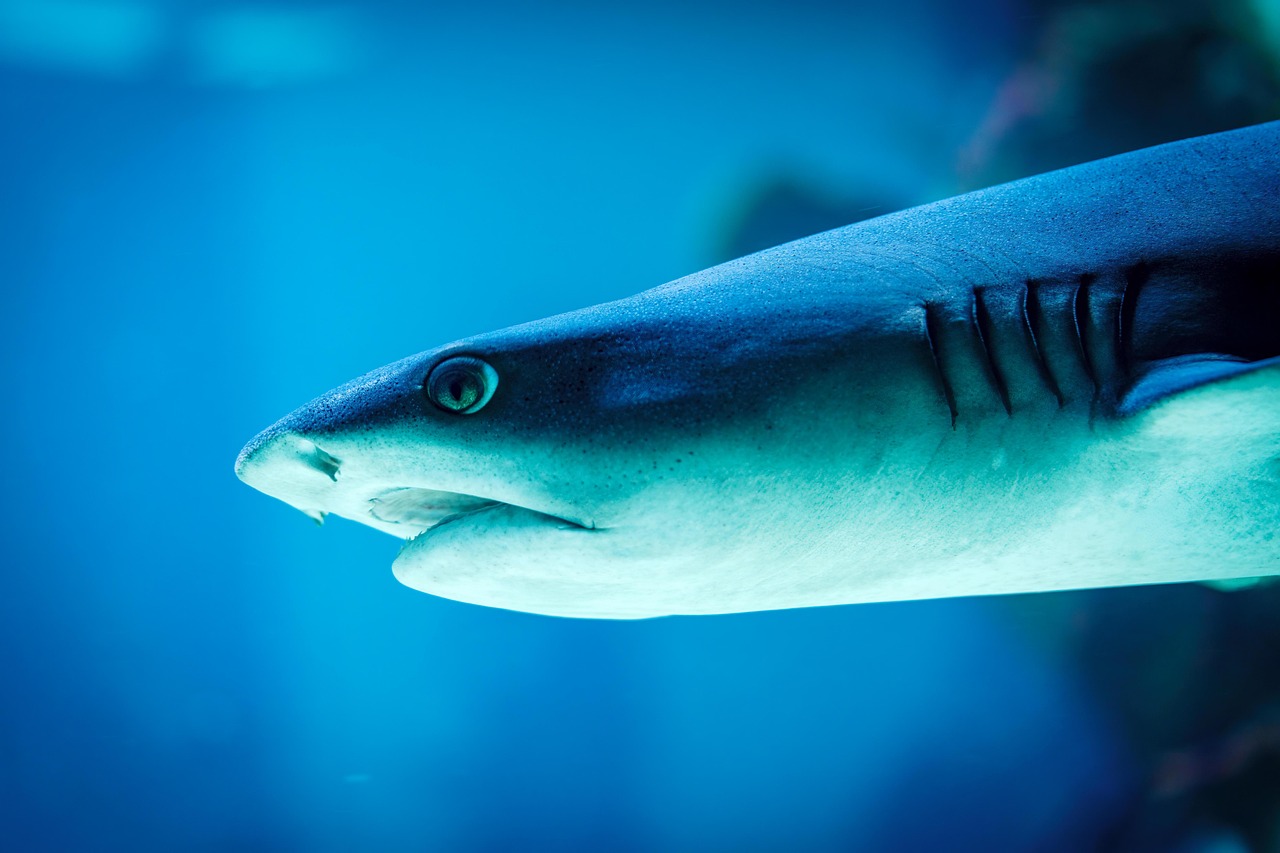
You can adopt a shark through the World Wildlife Fund, and Shark Week is the perfect excuse to do it. A symbolic adoption is not a real animal arriving at your door. It is a donation that funds WWF’s marine conservation work, and in return you receive a kit that usually includes a plush toy, a species fact sheet, and an adoption certificate. It is one of the few ways an ordinary fan can put money directly behind shark protection.
I want to be clear about what your money supports, because that matters more than the plush toy. WWF runs programmes on marine protected areas, sustainable fisheries, and the global campaign against the shark fin trade. Sharks are in real trouble. A 2021 study in the journal Nature found that the global abundance of oceanic sharks and rays had fallen by roughly 71 percent since 1970, driven mainly by overfishing. The International Union for Conservation of Nature lists more than a third of all shark and ray species as threatened with extinction. That is the context for every adoption below.
How a symbolic shark adoption works
The WWF gift centre lets you choose an adoption at several price points, typically starting around 25 US dollars. Larger gifts come with a bigger plush and sometimes a gift bag or a tote. The donation is tax deductible in the United States, and you can have the kit shipped to yourself or sent as a gift. The animal you pick does not change where the money goes, since funds support WWF’s overall conservation budget, but choosing a species you care about makes the gesture personal. Here is what is worth knowing about the four sharks WWF offers.

Adopt a Great White Shark
The great white, Carcharodon carcharias, lives in temperate and subtropical waters worldwide and is most reliably seen off South Australia, the coast of South Africa, and central California, especially the waters near the Farallon Islands. Adults commonly reach 4.5 to 6 metres and can weigh well over a tonne. Their diet shifts with age: juveniles eat fish and rays, while mature adults specialise in warm-blooded prey, mainly seals and sea lions, along with smaller cetaceans and scavenged whale carcasses. The IUCN lists the great white as Vulnerable, and it is protected in many countries including Australia, South Africa, and the United States.
Adopt a Leopard Shark
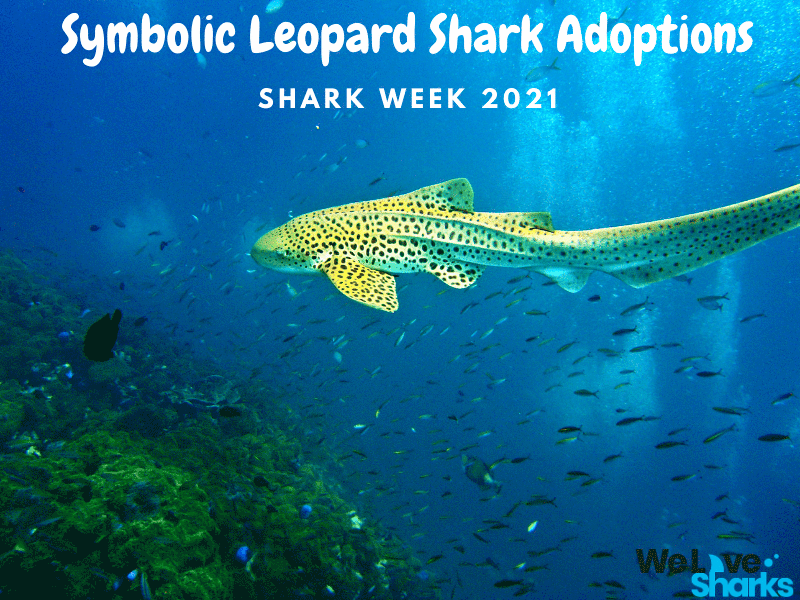
The leopard shark, Triakis semifasciata, is a small, harmless shark of the Pacific coast of North America, ranging from Oregon down to the Gulf of California in Mexico. It rarely exceeds 1.5 metres and is named for the dark saddles and spots running along its silvery-grey body. Leopard sharks gather in large numbers in shallow bays and estuaries, and in summer they famously crowd the warm shallows of La Jolla, California, where snorkellers wade among them. They feed on crabs, clams, fish eggs, and burrowing worms, and the IUCN currently lists them as Least Concern, partly thanks to tight fishing regulations in California.

Adopt a Whale Shark
The whale shark, Rhincodon typus, is the largest fish alive, with confirmed individuals reaching around 12 metres and reports of larger ones. Despite the size it is a filter feeder, swimming with its mouth open to strain plankton, krill, fish eggs, and small fish from the water. Whale sharks roam every warm ocean except the Mediterranean, and they gather seasonally at reliable feeding sites such as Ningaloo Reef in Western Australia, Isla Holbox off Mexico, and the waters off the Philippines. The IUCN lists the whale shark as Endangered, which is part of why WWF offers it for adoption. To get a sense of the animal you would be supporting, our piece on whale shark facts is worth a read.

Adopt a Hammerhead Shark
Hammerheads are instantly recognisable for the wide, flattened head called a cephalofoil. That shape is not decoration. It spreads the shark’s electroreceptive Ampullae of Lorenzini across a wider surface, improving its ability to detect the faint electrical fields given off by prey buried in sand, and the wide-set eyes give it a broad field of vision. Great hammerheads have been filmed using the head itself to pin stingrays to the seabed. The great hammerhead, Sphyrna mokarran, is classed as Critically Endangered by the IUCN, having been hit hard by the fin trade because its large fins are highly valued. Of the four sharks here, it is arguably the one most in need of the support an adoption provides.
Other ways to back shark conservation
A symbolic adoption is a fine start, but it is not the only option. If you want your money to go further, a few simple choices help:
- Choose seafood certified by the Marine Stewardship Council, which reduces demand for fisheries that catch sharks as bycatch.
- Never buy products containing shark fin or shark cartilage, and avoid restaurants that serve shark fin soup.
- Support organisations focused specifically on sharks, such as the Shark Trust or Project AWARE, alongside broader bodies like WWF.
- If you dive or snorkel, report sightings to citizen science projects, which feed real data into population research.
However you choose to help, doing it during Shark Week means you are part of the largest annual moment of public attention sharks ever get. If you are planning your viewing, our guide to when Shark Week airs will keep you on schedule. Adopting a shark turns a week of television into something that actually leaves the ocean a little better off.
Got a shark photo of your own? Send it to us and we may post it here and on our Facebook page, with your name on it. Share your shark photo


I am terrified of sharks! Magnificent creatures though.
Most sharks have good eyesight.
I wonder how far a single shark can travel throughout its lifetime
While vacationing in Belize I took a snorkeling tour which I was able to hold ( hug) a 3-4 foot nurse shark was I in danger???
How long can a shark live? What is the longest living breed of shark?
How many known variety of sharks are there in the world?
I find sharks terrifying. They look cool though
Sharks are interesting creatures!
Love to learn about sharks! They are so mysterious!